
To choose the correct Titanium End Caps Gr2 Gr5 for important engineering projects, you need to know about the qualities of the material, the approval standards, and the supplier's abilities. This detailed buying guide covers important things experts working in oil and gas, chemical processing, marine, aircraft, and industry settings need to know. This guide helps engineers make smart buying choices that will ensure the success of their projects and the stability of their products for a long time. It does this by explaining grade standards and checking the identities of suppliers.
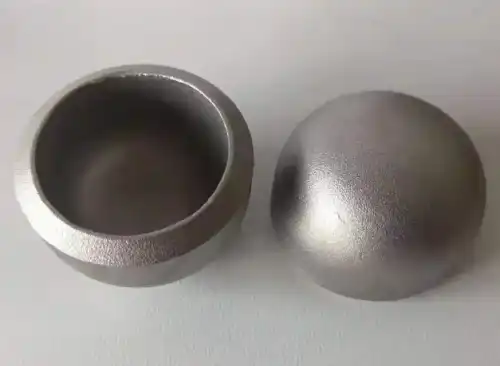
Understanding Titanium Grade Classifications and Applications
Titanium end caps are important parts of pipe systems that need to be highly resistant to rust and have strong structures. Grade 2 titanium is very easy to shape and join, which makes it perfect for chemical processing settings where it is often exposed to harsh media. For big industrial jobs, this economically pure type of titanium is very good at resisting rust while still being affordable.Grade 5 titanium, which is also called Ti-6Al-4V, has the best strength-to-weight ratios needed for aircraft and high-performance uses. Aluminum and vanadium are mixed in this titanium metal to improve its mechanical qualities without lowering its resistance to rust. When engineers choose between these types, they have to look at the needs of the project, such as the working temperatures, pressure rates, and weather conditions.As part of the decision process, things like fluid interaction, temperature cycle needs, and long-term upkeep are looked at. Titanium pipe end caps in both types have a very long life in marine settings where saltwater would break down other materials very quickly. Engineers can choose the right grades for their specific needs when they understand these basic differences.
Critical Specifications and Standards Compliance
ASTM B363 and ASME SB363 standards set the rules for making Titanium End Caps Gr2 Gr5. They say how they should be sized, what their mechanical properties are, and how they should be tested. As a result of these guidelines, quality is always the same in global supply chains, and engineers can use accurate performance data to make design decisions. It's even more important to follow these rules when working on foreign projects that need multiple certification approvals. Sizes DN15 to DN600 (NPS 1/2" to 24") are available to meet the needs of a wide range of industrial pipe systems. Engineers must make sure that the size requirements are compatible with the current system while also thinking about how to expand in the future. When doing the right size estimates, you should take into account changes in temperature and pressure, as well as the need for easy fitting. Titanium tube fittings and safety caps need to be made with very close specs so that they seal well. Measures for quality control, such as checking the chemical makeup, mechanical tests, and measuring, make sure that the product meets the standards. The documentation that comes with approved goods makes it possible to track them all the way through the supply chain. This helps with quality assurance and legal compliance programs.
Industry-Specific Performance Requirements
Oil and gas applications place demanding requirements on titanium sealing caps, particularly in offshore environments where equipment reliability directly impacts operational safety. Titanium corrosion resistance enables extended service intervals while reducing maintenance costs associated with component replacement. These performance advantages become increasingly valuable in remote locations where equipment access presents logistical challenges.Chemical processing facilities benefit from titanium's inert properties when handling aggressive media that would attack conventional materials. Titanium chemical resistance extends equipment service life while maintaining product purity in sensitive manufacturing processes. Engineers designing systems for pharmaceutical or food-grade applications particularly value these contamination-prevention capabilities.Aerospace applications demand titanium lightweight caps that minimize system weight without compromising structural integrity. Grade 5 titanium's superior strength characteristics enable thinner wall sections while maintaining required safety factors. These weight savings translate directly into improved fuel efficiency and payload capacity for aircraft and spacecraft applications.
Manufacturing Excellence and Quality Assurance
Modern methods for making Titanium End Caps Gr2 Gr5 are very complex and guarantee consistent quality and accurate measurements. Precision cutting lets you keep the tight tolerances needed for important uses while keeping the surface finishes that make seals work best. Advanced heat treatment methods create the best microstructures that improve mechanical qualities and protection to rust. Quality control systems that use ISO standards offer thorough testing methods that confirm the qualities of materials and their compliance with measurements. Third-party inspection services offer a second opinion on the quality of a product, which helps build trust with customers and speed up the legal clearance process. When a project needs a lot of paperwork and certification approvals, these quality measures become even more important. Things that affect manufacturing capacity are the powers of the production line, the plan for deliveries, and the availability of expert help. When engineers look at sources, they should look at their manufacturing facilities, quality processes, and past work on projects like this one. In difficult situations, the success of a project often depends on how well the supplier can handle unique needs and fast delivery.
Economic Considerations and Total Cost of Ownership
The original cost of the titanium flange end caps is only a small part of the total cost of ownership when used for a long time. It doesn't need to be changed as often and doesn't need as much maintenance work because titanium is very strong. These advantages in terms of long-term costs stand out even more in tough environments where normal materials need to be changed more often.When engineers compare different materials, they should think about how much it will cost to install, how much it will cost to have the machine down for repairs, and how easy it is to get new parts. Although titanium costs more at first, its longer life often makes up for it by saving money and making processes more effective over time. Value engineering methods shouldn't just look at the prices at which things were bought in the beginning; they should also look at these long-term benefits.The global supply chain changes both the original prices and the availability of goods. Suppliers with established networks of marketing in other countries can better help with projects that span multiple places and repairs that need to be done right away. Inventory management plans should find a mix between how much it costs to keep things on hand and how important it is to be able to get to them quickly.
Technical Evaluation and Supplier Selection Criteria
When evaluating a supplier, it's important to focus on things like licensing compliance, manufacturing skills, and expert help resources. International certificates from groups like DNV, ABS, CCS, and GL give customers trust in the quality of a product like Titanium End Caps Gr2 Gr5 and make it available all over the world. When working on foreign projects that need a lot of government clearances, these approvals become very important.In addition to providing products, technical support services like engineering help, special design services, and application knowledge add a lot of value. Suppliers with a wide range of expert tools can help you find the best options for Titanium End Caps Gr2 Gr5 while cutting down on the time and money needed for engineering development. This help is especially useful when normal goods need to be changed to fit specific needs.Delivery skills, such as knowledge of how to package items, transportation networks, and faster shipping choices, help keep projects on schedule. For foreign tasks and emergency needs, it's better to work with global sellers who already have established delivery networks. The quality of the packaging has a direct effect on the state of the product when it arrives, especially for precision-machined parts like Titanium End Caps Gr2 Gr5 that need to be protected during shipping.
Future Trends and Technology Developments
Advanced manufacturing methods keep making titanium custom end caps more useful while also cutting down on costs and delivery times. Complex shapes can be made with additive manufacturing technologies, which is not possible with standard cutting. Because of these new ideas, it's now easier to make patterns that work better while using less material.As companies put more emphasis on being environmentally responsible, sustainable manufacturing methods become more important in choosing suppliers. Titanium's ability to be recycled and long useful life make it more environmentally friendly than traditional materials that need to be changed often. Environmental approvals and supply chain openness are becoming important factors for many companies to use when judging others.Digital integration, which includes online shopping systems, seeing real-time inventory, and electronic documents, makes the buying process easier and cheaper. When suppliers invest in digital skills, they improve the ordering process and make the customer experience better. As companies automate their purchasing processes, these technology advances become more and more important.
Conclusion
Acquiring titanium end caps, specifically Titanium End Caps Gr2 Gr5, successfully requires a thorough analysis of grade requirements, source capabilities, and overall cost factors. Selecting between Grade 2 and Grade 5 titanium depends on the performance needs and working situations. Engineering professionals have to weigh the beginning prices of a project against its long-term performance benefits, all while making sure that it meets all relevant standards and licenses. When choosing a supplier, you should look for one with a history of delivering high-quality products and providing excellent expert help. Professional engineers can make smart choices that will lead to project success and top-notch long-term performance by using this complete buying guide.
Partner with LINUI TITANIUM for Superior Titanium End Caps Gr2 Gr5 Solutions
LINUI TITANIUM brings over two decades of manufacturing expertise to your most demanding projects, operating dual state-of-the-art facilities with 30 dedicated titanium metal production lines. Our comprehensive certification portfolio including ISO 9001:2015, PED 2014/68/EU, and approvals from DNV, ABS, CCS, and other leading classification societies ensures global project compliance. As a trusted titanium end caps Gr2 Gr5 supplier, we have successfully delivered solutions to world-renowned companies including CEFC, PTT, PDVSA, PETROECUADOR, and PEMEX across more than 60 countries.Our integrated "Titanium Products Supermarket" approach provides comprehensive material solutions backed by rigorous quality control systems and flexible delivery options via DHL, FEDEX, air freight, and sea freight. With annual production capacity of 800 tons and extensive experience serving oil, gas, chemical, maritime, aerospace, and industrial sectors, LINUI TITANIUM delivers the reliability and performance your projects demand. Ready to discuss your titanium end cap requirements? Contact us at linhui@lhtitanium.com to explore how our expertise can support your next project.
References
1. ASTM International. "ASTM B363/B363M-18 Standard Specification for Seamless and Welded Unalloyed Titanium and Titanium Alloy Welding Fittings." Annual Book of ASTM Standards, Volume 02.04, 2018.
2. Boyer, R., Welsch, G., and Collings, E.W. "Materials Properties Handbook: Titanium Alloys." ASM International Handbook Committee, Materials Park, Ohio, 1994.
3. Schutz, R.W. "Titanium in the Chemical Process Industry." Advanced Materials & Processes, ASM International, Vol. 156, No. 3, September 1999, pp. 33-36.
4. American Society of Mechanical Engineers. "ASME Boiler and Pressure Vessel Code, Section II: Materials, Part B - Nonferrous Material Specifications, SB-363." ASME Press, New York, 2019.
5. Donachie, Matthew J. "Titanium: A Technical Guide, Second Edition." ASM International Materials Engineering, Materials Park, Ohio, 2000.
6. Peters, M., Kumpfert, J., Ward, C.H., and Leyens, C. "Titanium Alloys for Aerospace Applications." Advanced Engineering Materials, Vol. 5, No. 6, Wiley-VCH, 2003, pp. 419-427.