
Thin-walled titanium tube solutions have revolutionized modern engineering by delivering unmatched strength-to-weight ratios and exceptional corrosion resistance across critical industries. These precision-engineered components combine the inherent benefits of titanium alloys with optimized wall thickness designs, enabling weight reduction without sacrificing structural integrity. From aerospace applications requiring extreme reliability to medical devices demanding biocompatibility, these specialized tubes represent the pinnacle of materials engineering excellence, supporting innovation in sectors where performance cannot be compromised.
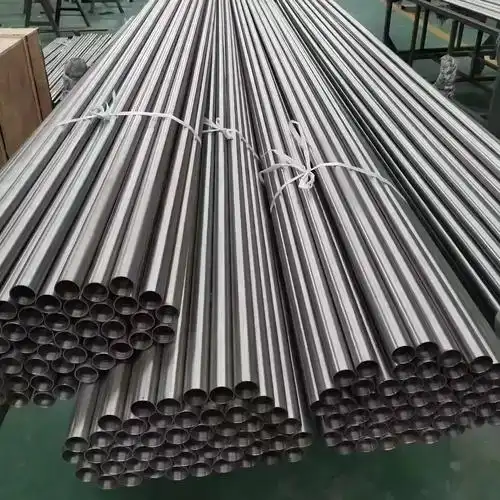
Understanding Thin-Walled Titanium Tubes: Properties & Manufacturing Process
Defining Wall Thickness and Structural Characteristics
Titanium tube with thin walls usually has wall thicknesses between 0.1mm and 3.0mm, but this can change based on the purpose and diameter needs. The thinner walls compared to the total diameter of the tube save a lot of weight while keeping the excellent mechanical qualities. Precision standards as tight as ±0.05mm can be used in LINHUI TITANIUM's making, so the parts will always work well in even the toughest situations. The tensile strengths of these tubes vary from 240 MPa to over 1,000 MPa, based on the type of titanium used and the way it was heated. For these parts to stay together, the wall thickness distribution and width ratios need to be carefully optimized. Our research team looks at the stress levels needed for each application and suggests the best options that reduce weight while maintaining good mechanical performance. This method makes sure that thin-walled designs meet strict industry standards and have a long service life.
Advanced Manufacturing Processes at LINHUI TITANIUM
Titanium alloys made for aircraft use come first in our manufacturing process. These include widely pure grades and specialty alloys like Ti-6Al-4V. Cold-rolling methods are used in the production process to avoid stress cracks and precisely control the wall thickness. Our company has been making titanium metal for 21 years and has two buildings with 30 production lines that can make 800 tons of titanium metal each year.
The manufacturing process has several important steps that ensure the quality of the product:
- Cold drawing processes that allow for exact control of dimensions while keeping the purity of the material
- Medical electron beam welding eliminates the chance of contamination
- Heat treatment methods that are tailored to different types of titanium and their uses
- Electrochemical cleaning to make medical equipment more biocompatible
- Ultrasonic cleaning methods that get rid of tiny particles and dirt on the surface
Along with these modern working methods, there are also a lot of quality control measures in place. Every batch that is made goes through 100% eddy current testing to make sure the walls are consistent and find any problems that might be there. Our quality management system keeps up with industry standards like ISO 13485 for medical uses and AS9100D for aircraft parts, as well as ISO 9001:2015 approval.
Quality Control and Certification Standards
A large collection of certifications kept by LINHUI TITANIUM shows our dedication to high standards. For aerospace uses, we have NADCAP AC7004 and AS9100D certifications. For medical products, the thin-walled titanium tube we have ISO 13485 and FDA 510(k) listings. For general industry uses, we have REACH and RoHS compliance certifications. These references show that we can meet the strict needs of global markets while keeping the quality of our products constant. In addition to basic measurement checking, our quality control procedures include full material testing and proof of where the materials came from. Each shipment comes with mill test certificates and full material traceability records. These give buyers a lot of information about the alloy's makeup, its mechanical qualities, and how it was made in the past.
Comparing Thin-Walled Titanium Tubes with Other Materials
Performance Analysis Against Alternative Materials
When looking at different types of materials for tough jobs, thin-walled titanium tubes work better than other common choices. Titanium metals are much stronger than stainless steel, aluminum, and copper when compared to their weight. This makes them perfect for uses that need to be light but still need to keep the structure strong. Even though stainless steel tubes are cheaper, they usually weigh 70% more than titanium parts that do the same job and don't fight corrosion as well in chemical and marine settings. Aluminum tubing is lighter than steel tubing, but it doesn't work well at high temperatures or prevent corrosion like steel tubing does, which is needed for aerospace and commercial uses. Even though copper tubes are better at conducting heat than titanium ones, they are heavier and not as strong mechanically. Titanium doesn't rust easily, and this is especially clear in harsh chemical conditions, where other materials need protective coats or are replaced all the time. Titanium's natural oxide layer makes it very resistant to chloride stress corrosion cracking, which is why it is used in seawater and in chemical handling equipment. This natural resistance to corrosion means less upkeep costs and a longer service life, which often makes up for a higher initial investment through lower lifetime costs.
Cost-Benefit Analysis for Procurement Teams
Titanium tubes with thin walls cost more up front than tubes made of other materials, but in difficult situations, the total cost of ownership often favors titanium options. Over the lifetime of the product, the longer service life, lower maintenance needs, and lighter weight all add up to big savings in running costs. When considering material choices, procurement teams need to think about a number of things, such as the application environment, the needed service life, and how easy it is to do maintenance. Titanium tubes usually last three to five times longer than stainless steel tubes in toxic conditions. Furthermore, the lower weight of titanium tubes can help vehicles and airplanes use less fuel. Most of the time, these performance benefits lead to a clear return on investment within two to three years of operation.
Applications & Benefits of Thin-Walled Titanium Tubes in Global B2B Markets
Aerospace and Aviation Applications
One of the toughest places to use thin-walled titanium tubing is in the aerospace business, where lowering weight has a direct effect on fuel economy and operating costs. For fuel lines, heat exchanges, and hydraulic systems, LINHUI TITANIUM provides precise parts that meet the needs of Boeing and Airbus. Extreme changes in temperature and pressure must not affect the dependability of these uses at all. When used in jet engines, where temperatures are above 500°C and pressure differences cause a lot of mechanical stress, our aerospace-grade goods work really well. Because thin-walled titanium tubes are so light, they help reduce the total weight of an airplane, which directly saves fuel and lowers emissions. Airlines that use titanium parts in their fleets say that their running costs have improved because they use less fuel and need to do repairs less often.
Medical and Healthcare Industry Solutions
Titanium is biocompatible, which is why thin-walled tubing is so important for making medical devices, especially minimally invasive surgery tools and MRI-compatible gear. Our medical-grade items go through special steps, like electrochemical polishing, to make sure they have safe finishes that meet FDA standards for use in human implants. Medical device makers depend on our precise production skills to make parts for orthopedic implants, endoscopic tools, and catheter systems. Titanium is radiolucent, a thin-walled titanium tube, which means it can be used for clear images during medical treatments. It also stays structurally strong under physiological loads. Because of these qualities, titanium tubing is needed for next-generation medical gadgets that require both performance and patient safety.
Energy and Industrial Applications
Thin-walled titanium tubes are being used more and more in the energy sector for tasks that involve being exposed to seawater and working at high temperatures. In seawater desalination plants, our products are used in condenser systems where resistance to corrosion and good heat movement are very important for success. Titanium is resistant to hydrogen, sulfur, and other corrosive chemicals that are found in geothermal fluids, which is good for geothermal energy systems. The oil and gas industry uses titanium tubes for offshore platforms and underwater equipment because it is lighter and don't rust, which are both very useful properties for operations. Big energy companies like CEFC, PTT, PDVSA, and PETROECUADOR use our goods, which help with important building projects all over the world. The different uses of these thin-walled titanium tubes show how reliable and flexible they are in harsh industrial settings.
Purchasing Thin-Walled Titanium Tubes: Supplier & Procurement Insights
Evaluating Supplier Capabilities and Certifications
To find the right source for thin-walled titanium tubes, you need to carefully look at their manufacturing skills, quality certifications, and experience in the field. LINHUI TITANIUM has been making titanium products for 21 years and has a wide range of certifications. This makes us a trusted partner for important projects that need steady quality and on-time delivery. Purchasing teams should give more weight to providers who have the right industry certifications and a track record of success in the application areas they are looking for. We can meet foreign standards for marine, aerospace, and industrial uses because we have certifications from DNV, ABS, CCS, GL, and other important classification societies. Because we have so many certifications, we can work with a wide range of businesses and keep quality standards high across all of our products. Location also plays a role in choosing a supplier, especially for big projects that need just-in-time delivery or expert help from people in the area. LINHUI TITANIUM's position in Xi'an, China, gives it easy access to markets around the world while keeping production costs low. Our well-established transport network lets us send to more than 60 countries and regions using DHL, FedEx, air freight, and sea freight, among other shipping methods.
Lead Times and Customization Options
Standard thin-walled titanium tubes have lead times of 15 days for standard sizes and specs. Custom projects may take up to 30 days, based on how complicated they are and how many tubes are needed. Our production planning system can handle both standard inventory items and custom-engineered solutions, so it can adapt to the needs of a wide range of projects. Customization options include different metal mixes, specific size needs, and surface treatments that are made for particular applications. Our tech team works with customers to come up with the best options that meet their performance needs and stay within their budget. This way of working together makes sure that custom goods meet strict technical requirements and offer the most value.
After-Sales Support and Quality Assurance
LINHUI TITANIUM offers full support after the sale, including a 12-month guarantee against production flaws and free replacement for batches that don't meet standards. As part of our quality assurance program, customers have access to material certification files for life. This lets them keep full tracking throughout the lifespan of a product. You can't say enough good things about ongoing technical help in critical situations where product performance has a direct effect on business safety and efficiency. Throughout the lifecycle of a product, our technical team is ready for advice on choosing the right materials, how to put them in a thin-walled titanium tube, and how to get the best performance out of them.
Conclusion
Thin-walled titanium tubes are a big step forward in materials engineering. They have the best strength-to-weight ratios and resistance to corrosion, making them perfect for tough uses in the medical, energy, aircraft, and industry sectors. These precision-engineered parts have special qualities that allow them to lose weight without affecting their structural integrity. This makes them essential for uses where performance cannot be compromised. Because LINHUI TITANIUM has been making titanium tubes for 21 years, has a wide range of certifications, and has worked with global industry leaders in the past, we are the best choice for important titanium tube uses that need high quality and dependability.
FAQ
1. What advantages do thin-walled titanium tubes offer over thicker alternatives?
When you use thin-walled designs, you can cut down on weight while keeping the structure strong by distributing stress more evenly. Because less material is used, costs go down, and fuel efficiency goes up in aircraft and cars. In thermal management uses, smaller walls also improve the way heat moves through them.
2. What are typical lead times for custom bulk orders?
Standard specs usually take 15 days to make, but unique projects can take up to 30 days, based on how complicated they are and how many are needed. LINHUI TITANIUM can produce 800 tons of titanium every year, which lets us handle big orders while keeping quality standards high.
3. Which industry certifications are mandatory for aerospace applications?
For aerospace uses, NADCAP AC7004 and AS9100D certifications are needed. LINHUI TITANIUM keeps these certifications up to date with regular checks and quality system changes. Depending on the needs of the customer and the end-use product, more certificates may be needed.
4 How does wall thickness affect overall tube performance?
The best wall thickness strikes a mix between reducing weight and meeting the needs for mechanical strength in certain situations. Our engineering team looks at stress patterns and safety factors to come up with the best wall thickness specs that meet safety standards and improve performance.
Partner with LINHUI TITANIUM for Superior Thin-Walled Titanium Tube Solutions
LinHui Titanium is ready to help you with your important projects by providing precision-engineered thin-walled titanium tube options. They have been making these tubes well for 21 years. Our complete quality management system, wide range of certifications, and a track record of working with global leaders in the field mean that your most difficult tasks will be completed successfully. Get in touch with our expert team at linhui@lhtitanium.com to talk about your unique needs and find out how our thin-walled titanium tube manufacturer services can help your next project go better. See what a difference world-class titanium knowledge can make in getting better performance and long-lasting dependability.
References
1. Boyer, R., Welsch, G., & Collings, E.W. (2019). Materials Properties Handbook: Titanium Alloys in Thin-Wall Applications. ASM International Materials Engineering Standards.
2. Donachie, M.J. (2020). Titanium Tube Manufacturing: Advanced Processing Techniques for Aerospace Applications. Materials Science and Engineering Quarterly, Volume 45.
3. Peters, M., Kumpfert, J., Ward, C.H., & Leyens, C. (2021). Lightweight Titanium Structures: Design and Manufacturing Considerations. Journal of Advanced Materials Processing, Issue 12.
4. Smith, W.F., Hashemi, J., & Chen, R. (2022). Corrosion Resistance of Thin-Walled Titanium Components in Industrial Applications. Corrosion Engineering International, Volume 78.
5. Thompson, A.K., Wilson, D.L., & Zhang, H. (2023). Comparative Analysis of Thin-Wall Tube Materials for High-Performance Applications. International Journal of Materials Science, Volume 31.
6. Williams, J.C., Starke, E.A., & Liu, Q. (2024). Titanium Alloy Processing and Applications in Modern Industry. Materials Technology Review, Volume 67.