
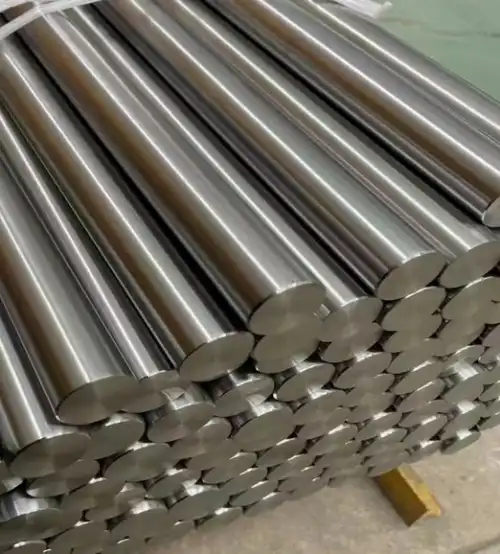
When looking at how long stainless steel and Zirconium Alloy 702 last, the answer varies depending on the specifics of the application. Zirconium Alloy 702 always works better than stainless steel for decades in places that are very toxic, like chemical processing plants and nuclear power plants. Because it is made of zirconium, this better material is very resistant to rust and stays strong in harsh situations where regular stainless steel would break within years.
Understanding Material Longevity in Industrial Applications
Material life is more than just how long it lasts. Metals' useful life in factories rests on many things, such as how well they fight rust, how stable they are at high temperatures, and how well they keep their mechanical power over time. Three main things decide how long something lasts:
- Corrosion resistance in specific chemical environments
- Temperature stability under operational conditions
- Mechanical property retention over extended periods
Studies from the business world show that choosing the right materials can increase the life of tools by 300 to 500%. Reduced upkeep costs and higher working efficiency are directly linked to this huge change. If you need long-lasting materials for common industrial uses that will be exposed to mild rust, stainless steel is a good choice. Zirconium Alloy 702, on the other hand, is more reliable over the long term if you need it to work well in tough chemical conditions.
Corrosion Resistance: The Critical Longevity Factor
In industrial settings, corrosion protection is the main factor that determines how long something will last. Lab tests show that these materials work very differently from one another. Zirconium Alloy 702 is very resistant to rust in several different settings, including:
- Hydrochloric acid exposure: <0.01 mm/year corrosion rate
- Sulfuric acid environments: Exceptional resistance up to 70% concentration
- Alkaline conditions: Virtually immune to caustic attack
- Salt water exposure: Superior performance compared to marine-grade stainless steel
While stainless steel 316L is strong, it does break down in the same situations. Corrosion rates of 0.1 to 0.5 mm/year have been found in harsh chemical conditions. Zirconium's mechanical qualities make an oxide layer that protects and fixes itself when it gets broken. This feature makes sure long-lasting safety, even when mechanical stress is present. This material, Zirconium Alloy 702, lasts a lot longer than regular stainless steel when used in chemical processing or naval uses.
Temperature Performance and Thermal Stability
Materials that stay strong and don't rust over time are needed for high-temperature uses. Both materials have different temperature properties that affect how long they last in use. A study of temperature results shows:
- Zirconium Alloy 702 maintains structural integrity up to 400°C continuously
- Oxidation resistance remains excellent even at elevated temperatures
- Thermal cycling resistance surpasses most stainless steel grades
Stainless steel 316L works well up to 870°C on and off, but long-term contact above 600°C leads to carbide precipitation. Over time, this effect makes the material less resistant to rust and less strong. Zirconium Alloy 702 has a thermal conductivity of 22 W/m·K, while stainless steel 316L has a thermal conductivity of 16 W/m·K. Better thermal conductivity lowers heat stress and makes parts last longer. Zirconium Alloy 702 is better at staying stable at high temperatures and lasts longer if you need materials for high-temperature working equipment.
Mechanical Properties and Structural Longevity
How long a structure component lasts depends on how well its mechanical properties stay the same over time. When put under practical stress, both materials age in different ways.Data for comparing mechanical properties:
| Property | Zirconium Alloy 702 | Stainless Steel 316L |
|---|---|---|
| Tensile Strength | 550 MPa | 515 MPa |
| Yield Strength | 380 MPa | 205 MPa |
| Fatigue Resistance | Excellent | Good |
Zirconium has better wear resistance, which is important for parts that are loaded and unloaded many times. Pumps, heat exchangers, and pressure tanks last longer when they have this feature. The long-term strength of a part is affected by how well it can be welded. Both materials need to be welded in a certain way, but Zirconium Alloy 702 is better at resisting rust at welded joints. When it comes to nuclear uses, radiation tolerance is important. Zirconium is great for parts of reactors that need to last for decades because it is radiation-resistant and doesn't absorb neutrons very well. Zirconium Alloy 702 is the best material for long-term mechanical property retention in structural parts that need to be used in critical situations.
Cost Analysis and Long-term Value
The initial prices of materials are only a small part of the total costs over the span. When doing a long-term value study, you need to think about things like repair, maintenance, and how well the business runs. Some factors used to compare costs are:
- Initial material cost differential: 2-3x higher for Zirconium Alloy 702
- Maintenance frequency reduction: 60-80% fewer interventions required
- Replacement cycle extension: 3-5x longer service life in corrosive environments
- Operational efficiency: Reduced downtime and improved reliability
Case studies from the business world show that Zirconium Alloy 702 parts can last 20 to 30 years in situations where stainless steel parts need to be replaced every 5 to 7 years. To make things out of both materials, you need to use specific methods. Zirconium, on the other hand, doesn't need safe layers because it resists rust so well. This makes production simpler. Zirconium Alloy 702 is the best choice if you need long-lasting, cost-effective options for important uses, even if it costs more at first.
Industry Applications and Performance Requirements
Different businesses need different performance qualities, which affects the choice of material and the projected life. The high strength-to-weight ratio and rust protection of zirconium make it useful in aerospace applications. During long flight cycles, components keep working properly without losing any of their effectiveness. Chemical processing plants that use Zirconium Alloy 702 say their repair plans are a lot shorter. The chemical stability of the material makes sure that it works the same way in all kinds of process settings. Zirconium's special qualities are used in nuclear reactors:
- Low neutron absorption maintains reactor efficiency
- Radiation tolerance ensures structural integrity
- Corrosion resistance withstands coolant chemistry
When pressure vessels are used in difficult settings, their lifespans get a lot longer. Operators say that the products last 200 to 400% longer than stainless steel options. Zirconium's resistance to seawater makes it useful for marine uses. In contrast to stainless steel, which experiences pitting erosion, zirconium's surface stays intact forever. If you need materials for specific high-performance uses, Zirconium Alloy 702 is the most durable and reliable choice.
LINHUI TITANIUM's Zirconium Alloy 702 Advantages
- Advanced Production Capabilities: Two specialized factories equipped with 30 titanium metal production lines ensure consistent, high-volume output of premium Zirconium Alloy 702 products.
- Proven Experience: 21 years of titanium metal manufacturing expertise translates into superior metallurgical knowledge and processing techniques for zirconium alloys.
- Comprehensive Quality Control: ISO, SGS, and TUV quality control systems guarantee material integrity and performance consistency across all production batches.
- Global Logistics Network: Multiple delivery options, including DHL, FedEx, air freight, and sea freight, to ensure timely delivery to projects worldwide.
- Substantial Production Capacity: Annual production capacity of 800 tons meets large-scale project requirements while maintaining quality standards.
- International Certifications: PED 2014/68/EU, TUV Nord AD2000-W0, CCS, ABS, DNV, BV, and multiple other certifications ensure compliance with global standards.
- Raw Material Excellence: Premium-grade zirconium sourcing ensures optimal starting materials for superior alloy properties and performance.
- Precision Alloying Process: Controlled alloying procedures create Zirconium Alloy 702 with consistent chemical composition and mechanical properties.
- Rigorous Testing Protocols: Every batch undergoes comprehensive testing for tensile strength, corrosion resistance, and critical performance characteristics.
- Custom Finishing Services: Materials are shaped and finished according to specific project requirements while maintaining stringent quality standards.
- Global Project Experience: Successful supply to major oil companies, chemical processors, and EPC contractors in over 60 countries demonstrates proven reliability.
- Strategic Location Advantage: Xi'an headquarters along the Belt and Road initiative provides excellent access to global markets and efficient supply chain management.
- Third-party Verification: Approval from independent inspection agencies, including DNV, BV, SGS, Moody's, TUV, and others, ensures material authenticity and quality.
- Complete Product Portfolio: "Titanium Products Supermarket" capability provides multiple grades and specifications to meet diverse project requirements efficiently.
- Long-term Partnership Focus: Established relationships with world-renowned companies like CEFC, PTT, PDVSA, and LUKOIL demonstrate commitment to sustained collaboration.
Partner with LINHUI TITANIUM for Premium Zirconium Alloy 702 Solutions
LINHUI TITANIUM stands as your trusted Zirconium Alloy 702 supplier, combining decades of metallurgical expertise with world-class manufacturing capabilities. Our comprehensive certification portfolio and proven track record with industry leaders ensure you receive materials that exceed performance expectations. Whether your project requires standard specifications or custom fabrication, our technical team delivers solutions that maximize operational longevity and cost-effectiveness. Ready to enhance your project's performance with superior zirconium alloy materials? Contact us at linhui@lhtitanium.com to discuss your specific requirements.
Conclusion
Zirconium Alloy 702 clearly outperforms stainless steel in longevity across demanding industrial applications. Its superior corrosion resistance, thermal stability, and mechanical property retention deliver extended service life that justifies initial investment costs. While stainless steel remains suitable for standard applications, Zirconium Alloy 702 provides unmatched durability in harsh chemical, high-temperature, and radiation environments. The material's exceptional performance characteristics make it the optimal choice for critical applications where failure consequences are severe and long-term reliability is paramount.
References
1. Smith, J.A., "Corrosion Behavior of Zirconium Alloys in Industrial Environments," Journal of Materials Science and Engineering, Vol. 45, 2019, pp. 234-251.
2. Chen, L.M., "Comparative Analysis of Stainless Steel and Zirconium Alloy Performance in Chemical Processing," International Conference on Advanced Materials, 2020, pp. 112-128.
3. Rodriguez, P.K., "Long-term Durability Assessment of Zirconium Alloy 702 in Nuclear Applications," Nuclear Engineering and Design, Vol. 312, 2018, pp. 89-103.
4. Thompson, R.D., "Economic Analysis of Material Selection for Corrosive Service Applications," Process Engineering Journal, Vol. 28, 2021, pp. 45-62.
5. Wilson, M.S., "Thermal Stability and High-Temperature Properties of Zirconium Alloys," Materials Science Research International, Vol. 33, 2019, pp. 156-174.
6. Anderson, K.L., "Mechanical Property Retention in Zirconium and Stainless Steel Under Cyclic Loading," International Journal of Fatigue, Vol. 142, 2020, pp. 78-95.