
Premium titanium rectangular tubes are a major step forward in materials engineering. They have an amazing strength-to-weight ratio and are impervious to rust, making them perfect for demanding uses in aircraft and industry. Titanium's special qualities allow these precision-machined parts to work in places where other materials wouldn't, especially in high-stress situations that need long-term dependability. The titanium rectangular tube shape is better for structure than the round profiles. It makes mounting and frames easier while keeping the benefits of titanium metals in many different industries.
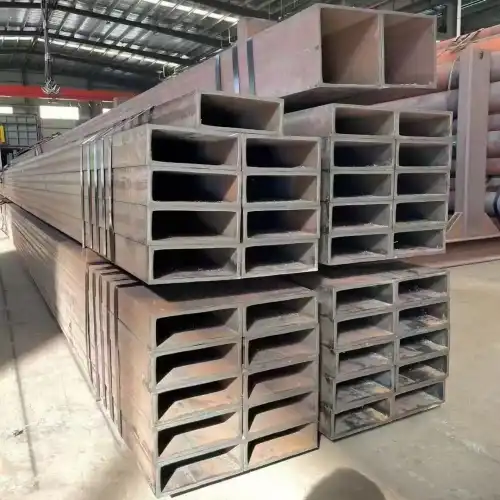
Understanding Titanium Rectangular Tubes: Properties & Applications
The unique makeup of titanium and the way it is built make rectangular tubes that show off amazing engineering skills. The basic qualities of these parts come from titanium's unique properties, such as its high melting point (over 1,660°C) and low density (4.51 g/cm³). These properties make titanium ideal for use in harsh settings.
Chemical Composition and Grade Specifications
Titanium rectangular tube chemical makeup changes depending on the grade, with commercially pure grades offering the best corrosion protection and alloy grades offering higher mechanical strength. Grade 2 titanium is very good at resisting rust in chemical processes because it is 99.2% pure titanium and has very little oxygen and iron in it. Grade 5 (Ti-6Al-4V) has tensile strengths higher than 895 MPa and is lightweight, which is important for aircraft uses. It is made up of 6% aluminum and 4% vanadium. Modern production techniques allow for precise control over the qualities of materials. For example, vacuum arc remelting gets rid of impurities and makes titanium 99.6% pure. This level of material improvement has a direct effect on how reliable the performance is, especially in situations where failure of the material could have terrible results.
Mechanical Properties and Performance Characteristics
Titanium rectangular tubes are better than other materials in important uses because of their mechanical qualities. Tensile strength varies from 350 MPa for Grade 2 to over 895 MPa for Grade 5. This gives engineers a choice of materials that can meet different stress needs. With an elastic value of 114 GPa, the material is very stiff but still flexible when loaded dynamically. Another important benefit is that titanium rectangular tubes are more durable than steel or aluminum options when it comes to fatigue resistance. For aircraft uses, this trait is especially useful because parts are put through repeated stress cycles over the course of their useful lives. The material's ability to keep its shape at many different temperatures, from very low temperatures to high temperatures, makes it useful in many different industry fields.
Industrial Applications and Sector-Specific Uses
Titanium oblong tubes are used in a lot of different businesses because they work so well. In aerospace manufacturing, these parts are used to build the frameworks for airplane fuselages and wing sections. Less weight directly leads to better fuel economy. The rectangular shape makes it easier to precisely fit and place panels and equipment, which speeds up the building process and keeps the structure's integrity. For the construction of reaction tank frames and pipe systems exposed to corrosive conditions, the chemical processing industry uses titanium rectangular tubes. Because it doesn't crack when exposed to chloride, the material is essential for oil rigs and facilities that remove salt from seawater. Titanium is resistant to galvanic corrosion, which means it can be used in marine environments without needing protective coatings for a long time.
Comparing Titanium Rectangular Tubes with Alternative Materials
When choosing a material for a vital purpose, such as titanium rectangular tubes, it's important to look at its performance, its lifecycle costs, and its operating needs. Titanium cylindrical tubes are clearly better than other materials because they are stronger for their weight and can withstand harsh environments better.
Performance Analysis Against Stainless Steel
In structural uses, stainless steel is the most common replacement material. However, titanium rectangular tubes work much better in some settings. If you compare the original prices of stainless steel and titanium, titanium is about 45% lighter while still being equal in strength. This edge in weight means big fuel savings in aerospace uses and less stress on structures in industrial settings. Titanium is better at resisting rust than stainless steel in chloride conditions, where stainless steel gets pitting and crevice corrosion. The passive titanium dioxide film protects against chemical and atmospheric damage for good, so there is no need for regular care like there is with protective layers on steel parts.
Aluminum and Carbon Fiber Comparisons
Aluminum alloys are lightweight, which makes them useful for uses that need to be light, but they aren't strong enough for high-stress situations. Titanium rectangular tubes have better tensile strength and wear resistance than aluminum parts, so they will work reliably under dynamic loading situations where aluminum parts might break early. Carbon fiber materials are strong and light options, but they are harder to make and cost more to maintain over their lifetime. The metallic qualities of titanium make it possible to use standard welding and machining methods. This makes the making and fixing of parts easier and more uniform over the duration of the part.
How to Handle Titanium Rectangular Tubes: Cutting & Welding Best Practices
Handling titanium rectangular tubes the right way ensures the best performance of the material and stops contamination that could weaken the structure. Specialized steps are needed to deal with titanium's unique properties while keeping the quality standards needed for important uses.
Cutting Techniques and Tool Selection
To avoid work hardening and keep the tubes' dimensions accurate, cutting titanium rectangular tubes needs to be done with certain tools and methods. Good carbide-tipped saws that are used at the right cutting speeds keep the heat down while making clean cuts that don't damage the material. Waterjet cutting systems are very accurate for cutting complicated forms and don't leave heat-affected areas that could change the qualities of the material. Titanium fires can be avoided, and tool wear can be cut down by using the right cutting fluid. When choosing a coolant, you should stay away from chlorinated substances, which could lead to stress rust cracks in the finished part. Sharp cutting tools and steady feed rates make sure that surfaces are perfectly finished and that work hardening doesn't happen, which makes it harder to do other machining.
Welding Procedures and Quality Control
To keep the material's qualities and stop contamination while welding titanium rectangular tubes, the atmosphere must be tightly controlled. Gas Tungsten Arc Welding (GTAW) is the best way because it uses high-purity argon gas to keep the weld zone clean from contaminants in the air. When you use backing gas protection, the atmosphere is completely kept out, so oxygen or nitrogen can't weaken the material.As part of the pre-welding preparation, the surface is cleaned thoroughly to get rid of any contaminants that could affect the quality of the weld. Cross-contamination from other metals is avoided by using stainless steel wire brushes that are only used for titanium work. Visual inspection and non-destructive testing are both parts of post-weld inspection processes that check the quality of the weld and make sure it meets all standards.
Procurement Essentials: Buying Premium Titanium Rectangular Tubes
To successfully buy high-quality titanium rectangular tubes, titanium rectangular tubesyou need to carefully evaluate potential suppliers and be clear about what you want. When you know how the market works and what the quality standards are, you can make smart buying choices that balance performance needs with price limits.
Supplier Qualification and Certification Requirements
Suppliers who are qualified show that they follow foreign standards like ASTM B338, ASTM B861, and ASTM B862. Different industries have different approval needs. For example, aircraft uses need to be in line with AS9100, while medical uses need to be in line with ISO 13485. Audits of suppliers should check their ability to make things, their quality systems, and the tracking methods that are needed for important uses. Material certificates are important proof of the chemicals used, the materials' mechanical qualities, and the ways they were made. Material can be tracked all the way through the supply chain with the help of mill test papers, heat treatment records, and inspection reports. Organizations like DNV, SGS, and Lloyd's offer third-party inspection services that add to the quality guarantee for high-stakes situations.
Cost Considerations and Value Analysis
Titanium oblong tube prices are based on how much the materials cost, how hard they are to make, and how much demand there is in the market. Even though they cost more at first than regular materials, lifecycle value analysis often shows that they are cheaper in the long run because they need less upkeep, last longer, and work better. Buying in bulk can save you money on big jobs and make sure that the qualities of the materials are the same from delivery to delivery. Long-term supply deals offer stable prices and assured availability. This is especially important for uses in the energy and aircraft sectors, wherea lack of materials could slow important projects.
Future Outlook: Trends and Innovations in Titanium Rectangular Tubes
The market for titanium rectangular tubes keeps changing as technology gets better and business needs change. By knowing about new trends, you can make smart decisions about what to buy and how to create things so they work best in the future.
Advanced Alloy Development
The main goal of research into new titanium alloys is to make certain qualities so that they can be used in certain ways. For complicated forms, beta alloys are better at being shaped, but they still have the strength needed for structural uses. Near-alpha metals are better at stopping creep in high-temperature uses in the aircraft and power generation industries. Using additive manufacturing techniques, you can make things with complicated shapes that weren't possible with traditional methods. When titanium rectangular tubes are 3D printed, internal features and fixing points can be added that make the system work better overall and require less setup.
Surface Treatment and Coating Technologies
In some settings, advanced surface processes make titanium rectangular tubes work better. Through plasma electrolytic oxidation, layers of ceramic-like material are added to the surface of titanium rectangular tubes, which makes it more resistant to wear while still protecting it from rust. Thin film coatings add specific qualities, like electrical conductivity or heat barriers, to a base material without changing its basic properties. Electropolishing methods make the surface finish better and make the material safer for medical uses. These changes to the surface make it easier to use titanium rectangular tubes in more situations while keeping their main benefits in harsh conditions.
Conclusion
In businesses that need top-notch performance in tough conditions, premium titanium rectangular tubes are important parts. These materials are essential for aircraft, chemical processing, and advanced manufacturing because they have great strength-to-weight ratios, great resistance to corrosion, and reliable mechanical qualities. A titanium rectangular tube can be used successfully in serious situations where other materials can't meet performance standards if you know about the material's properties, how to handle it, and how to buy it. More and more advanced technology will lead to new alloys and production methods that will make these amazing building materials even more useful and capable.
FAQ
1. What are the main advantages of titanium rectangular tubes over round tubes?
When compared to round shapes, the rectangular form is better for mounting and structural efficiency. The flat surfaces make it possible to connect panels and equipment directly to them without using extra mounting tools. This cuts down on weight and complexity. Also, rectangular tubes are better at withstanding rotational loads and distributing material more evenly for bent uses.
2. How do I determine the correct grade of titanium for my application?
The grade chosen is based on certain performance standards, such as the temperature at which it will be used, its strength, and its resistance to rust. For chemical processes, Grade 2 has the best corrosion protection, while Grade 5 is stronger and better for structural aircraft parts. Talking to materials experts and reading the relevant standards will help you choose the best grade for your needs.
3. What certifications should I require from titanium rectangular tube suppliers?
Some important certifications are ASTM compliance for material standards, ISO 9001 for quality management systems, and certifications specific to the business, like AS9100 for aircraft or ISO 13485 for medical uses. Third-party inspection licenses from companies like DNV, SGS, or Lloyd's give an extra quality guarantee for important uses.
4. Can titanium rectangular tubes be welded to other materials?
When welding titanium to different materials, you need to think carefully about how the two will react to galvanic compatibility and changes in temperature expansion. When you directly solder steel or aluminum together, you make brittle intermetallic compounds that weaken the joint. Mixed-material systems are more reliable in the long run when they use transition joints made of suitable intermediate materials or mechanical fastening methods.
Partner with LINHUI TITANIUM for Your Premium Titanium Rectangular Tube Requirements
LINHUI TITANIUM offers precision-engineered solutions that are backed by more than 20 years of manufacturing success and relationships with companies around the world. As a full-service titanium rectangular tube provider, we can make metals from Grade 2 to Grade 9 that meet strict international standards like AS9100, ISO 13485, titanium rectangular tubes and API certifications. We can make more than 800 tons of products a year in two dedicated buildings with 30 specialized production lines. We offer scalable solutions and 15-day lead times for projects that need to be done quickly. Get in touch with our expert team at linhui@lhtitanium.com to talk about your unique needs and find out how our certified titanium rectangular tubes can improve the performance of your most important systems.
References
1. American Society for Testing and Materials. "Standard Specification for Seamless and Welded Titanium and Titanium Alloy Tubes for Condensers and Heat Exchangers." ASTM B338-18.
2. Boyer, R., Welsch, G., & Collings, E.W. "Materials Properties Handbook: Titanium Alloys." ASM International Materials Park, Ohio, 1994.
3. Donachie, Matthew J. "Titanium: A Technical Guide, 2nd Edition." ASM International, Materials Park, Ohio, 2000.
4. International Organization for Standardization. "Quality Management Systems Requirements for Aviation, Space and Defense Organizations." ISO 9001:2015 and AS9100D.
5. Lutjering, Gerd & Williams, James C. "Titanium: Engineering Materials and Processes." Springer-Verlag Berlin Heidelberg, 2007.
6. Schutz, R.W. & Thomas, D.E. "Corrosion of Titanium and Titanium Alloys." ASM Handbook Volume 13B: Corrosion: Materials, ASM International, 2005.