
When looking for titanium wire for your next project, it's not just important—it's necessary—to know the key differences between medical and industrial grades. Medical titanium wire manufacturers have to follow very different rules when making their goods than their industrial peers. If they make the wrong choice, it could put patient safety, regulatory compliance, and project success at risk. Medical titanium wire is a special kind of biocompatible filamentous material that is made to be used in surgical implants, heart guidewires, and dental tools. On the other hand, industrial titanium wire is used in marine, chemical processing, aircraft, and other fields where mechanical strength is more important than biocompatibility. With this comparison, procurement managers, engineers, and OEM clients will be able to better understand the technical scene and make smart sourcing choices that meet both practical and regulatory needs.
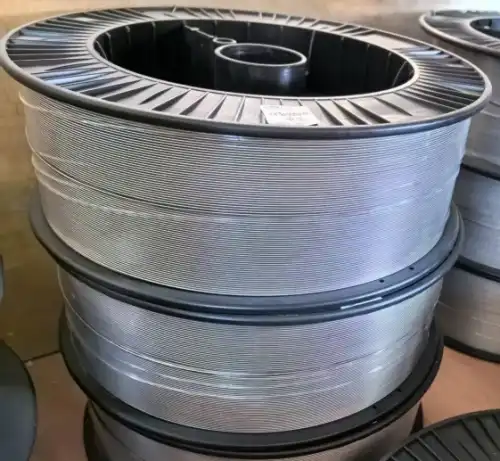
Understanding Medical Titanium Wire: Properties and Standards
Medical titanium wire is one of the most tightly controlled materials used in modern production. This is because it is very important to the body. We've seen how reputable medical titanium wire manufacturers put a lot of money into creating special production environments to get rid of contaminants that are fine in industrial settings but terrible for medical uses.
Biocompatibility as the Foundation
Biocompatibility, or the material's ability to live in living flesh without causing bad immune responses, is what sets medical titanium wire apart from industrial titanium wire. This is possible because medical titanium wire is made from Grade 1, Grade 2, or Grade 23 (Ti-6Al-4V ELI) titanium alloys, which are very pure. The Extra Low Interstitial label in Grade 23 specifically talks about the amount of oxygen, nitrogen, and iron present. This keeps these elements below levels that could lead to inflammation or ion toxicity when they come into long-term contact with blood or bone. As a result, titanium can directly connect with bone tissue, a process called osseointegration. This is not possible with regular industrial metals.
Regulatory Frameworks Governing Production
Medical titanium wire manufacturers work in a highly regulated environment where every step of production is governed. ASTM F67 sets the standards for medical titanium that isn't alloyed, and ASTM F136 sets the standards for Ti-6Al-4V ELI surgery implants. With ISO 13485 certification, you can be sure that makers use quality control systems that are meant to make medical devices. Medical titanium wire producers now have to deal with the European PED 2014/68/EU and FDA rules, which add more layers of compliance. Full material tracking is required by these systems. For example, each coil of wire can be tracked back to its original melt batch, heat treatment cycle, and inspection records. When medical device companies are audited or have to show compliance during regulatory filings, this paperwork trail is very important.
Manufacturing Process Precision
Vacuum arc remelting (VAR) or even triple-melting methods are used to get rid of tiny inclusions in the medical titanium wire. By using cold drawing methods, the thickness of the wire is reduced while the grain structure stays the same. This stops the formation of the alpha case, a thin, brittle layer of oxygen that lowers the mechanical performance. Centerless grinding and electropolishing make surfaces with hardness values (Ra) below 0.8 micrometres, which stops germs from sticking and ensures they can be sterilised properly. To keep dimensional tolerances as tight as 0.002mm for catheter reinforcement uses, medical titanium wire manufacturers adopt in-process checks using laser micrometres.
Characteristics of Industrial Titanium Wire: Composition and Applications
Industrial titanium wire has a very different purpose; its main goals are to be strong and resistant to damage from the world, not to connect with living things. This change in goals can be seen in the metal choice.
Alloy Diversity for Harsh Environments
In industrial settings, titanium grades can be used that are wider than in medical settings. Grade 5 (Ti-6Al-4V) is the most common type of titanium wire used for aircraft fasteners and springs because it has a high strength-to-weight ratio. Grade 2 pure titanium wire is used in chemical processing equipment because it is better at resisting rust from acids, which makes up for its slightly lower strength. Grade 7 titanium wire with palladium added works great in systems that desalinate saltwater and on offshore oil platforms, where stress corrosion cracking caused by chloride is always a risk. These differences in makeup let engineers make wires work better in certain situations, like when they are subjected to thermal cycling, mechanical wear, or chemical attack, without having to worry about whether the wires will be biocompatible, which limits the materials that can be used in medical applications.
Performance Under Extreme Conditions
Titanium wire used in industry often comes into contact with situations that humans would never experience. Marine welding uses wire that is constantly submerged in liquid at different temperatures. During flying, cryogenic fuel tank conditions and aerodynamic heating occur in aerospace parts. In chemical plants, sulphuric acid is concentrated and heated, and titanium wire supports are put in contact with it. The wire doesn't rust because it has a solid, self-healing titanium dioxide passive film that forms back right away after being scratched or abraded. This protects it for a long time without any upkeep. Because it is so strong, it can be used for decades in places like underwater pipes and refinery processing units.
Application Versatility Across Sectors
Throughout energy infrastructure projects that need both power and resistance to rust, we see industrial titanium wire being used. Titanium wire is used in oil and gas research for downhole devices that work in wells with high pressure and high temperature that contain hydrogen sulphide. Power plants use titanium wire in supports for condenser tubes that are exposed to dirty cooling water. Electronics companies use fine-diameter titanium wire for special connections that need to be able to carry electricity, spring back, and prevent oxidation while they are being soldered. Each user cares more about how well industrial titanium wire works with other materials and how long it lasts in harsh conditions than how it affects living things.
Core Differences Between Medical and Industrial Titanium Wire
The differences between medical and industrial titanium wire show up in several ways that have a direct effect on buying choices and the factors used to choose suppliers.
Purity Standards and Chemical Composition Control
Medical titanium wire manufacturers have very tight control over the amount of intermediate elements in their products. For Grade 23, the most oxygen that can be present is 0.13%, the most nitrogen is 0.05%, the most carbon is 0.08%, and the most iron is 0.25%. These limits are much lower than the commercial Grade 5 standards. These strict limits stop hydrogen embrittlement, a catastrophic failure mode in which absorbed hydrogen makes the material less flexible during insertion processes. Because living tissue contact doesn't happen in industrial titanium wire applications, higher interstitial amounts are acceptable. This makes production more cost-effective. The difference in purity is enough to explain why medical and industry types cost so much differently.
Certification and Traceability Requirements
Regulatory compliance is the most clear-cut way to tell medical titanium wire from industry titanium wire. For every production lot, companies that make medical devices need EN 10204 3.1 Mill Test Certificates that list the chemical analysis, mechanical qualities, and heat treatment factors. Before materials get into medical supply lines, they are checked by third-party inspection bodies like DNV, TUV, and SGS to make sure they meet ASTM F136 or ISO 5832-3 standards. While industrial titanium wire standards are still very strict for uses in aircraft or pressure vessels, they don't usually require the biocompatibility testing that is needed for medical grades. This difference in paperwork shows the risk of liability and the need for patient safety that govern the making of medical devices.
Pricing Structure and Market Dynamics
Due to its unique production needs, smaller production volumes, and extensive quality paperwork, medical titanium wire has higher prices—often 30% to 50% higher than similar industry grades. In the medical device market, stable supply chains and following the rules are more important than cutting costs. This leads to long-term relationships between device makers and qualified medical titanium wire providers. Instead, industrial buyers discuss prices based on promises to buy a lot of goods for several different projects. This lets them take advantage of economies of scale that aren't available in the medical sector. Understanding this pricing situation helps procurement workers make budgets that are reasonable and correctly assess quotes from suppliers.
Surface Finish and Dimensional Precision
Surface integrity and consistent dimensions are needed in medical uses that go beyond what is needed in industry settings. Cardiovascular guidewires need to be as straight as possible so that they can transmit force evenly through curved blood arteries. This can only be done with precise centerless grinding. Orthopaedic Kirschner wires need to have diameter shapes that are all the same. This keeps stress concentration points from forming, which could lead to a fracture during bone pinning treatments. The standards for industrial titanium wire usually allow bigger changes in width (±0.03mm vs. ±0.002mm for precision medical wire) and rougher surface finishes that are good for structural or spring uses. These differences in manufacturing precision have a direct effect on the prices of production and the skills of suppliers.
How to Choose the Right Titanium Wire for Your Application
To choose between medical and industrial titanium wire, you need to carefully weigh the needs of the project against the capabilities of the material and the skills of the provider.
Defining Application-Specific Performance Criteria
First, write down what conditions your titanium wire will be working in. Does the substance touch human tissue? Does your program need FDA approval or CE marking to become a medical device? What numbers for tensile strength and elongation make sure that performance gaps are enough? For cardiovascular uses, the tensile strength could be between 1300 and 1400 MPa, and the minimum extension could be 8%. On the other hand, industrial springs are willing to accept less flexibility in exchange for higher yield strength. When it comes to chemical exposure, things like orthopaedic implants are exposed to normal saline at body temperature, while industrial heat exchanger wire is exposed to concentrated acids at 150°C. By mapping these factors, you can make a design framework that helps you choose materials and suppliers.
Evaluating Supplier Credentials and Capabilities
Medical titanium wire manufacturers who are qualified keep their ISO 13485 certification, which shows that they follow the rules for medical device quality management systems. Check out the history of inspections by regulatory bodies and source approval records from big medical device OEMs. For industrial uses, different qualifications are needed, such as pressure equipment directive (PED) compliance for chemical processing, ABS or DNV classification society approvals for marine uses, or AS9100 aircraft quality certification. LINHUI TITANIUM has many certificates, such as PED 2014/68/EU, approvals from several classification societies (CCS, ABS, DNV, BV, GL), and ISO 9001:2015 quality management certification. This means that the company can work with both companies that make medical devices and those that work on industrial projects. Ask for proof that the company has the right testing tools, such as ICP-OES chemistry analysis, tensile testing equipment, and ultrasonic inspection systems that check the quality of the material.
Assessing Supply Chain Reliability
Medical device production plans can't handle missing materials or changes in quality that cause batches to be rejected. Potential medical titanium wire suppliers should be judged on how much inventory they have, how easily their production capacity can be increased, and how well they've done in the past at keeping quality high across multiple orders. Similar reliability is important for industrial projects, but they have to work under different time constraints. For example, offshore platform building may need large packages to be made within tight delivery windows. LINHUI TITANIUM's "Titanium Products Supermarket" model keeps a wide range of grade stocks to support both special medical wire orders and large industrial purchases. Confirmed delivery success with big foreign EPC companies (PETRONAS, PEMEX, and LUKOIL) shows the operating reliability that is needed to complete projects on time.
Balancing Cost Against Quality Requirements
The cost of medical titanium wire is based on the fact that it needs to be made in a certain way, which can't be avoided without risking regulatory compliance. If you try to save money by using industrial grades in medical uses, you put yourself at risk of being sued or breaking the law. Industrial buyers have more control over prices because they can negotiate bulk deals and look into other metal types that offer similar performance at lower prices. Ask for specific quotes that break down the costs of the materials, the handling fees, the inspection fees, and the costs of the certification paperwork. This openness makes it possible to compare suppliers smartly and shows value offers that go beyond simple per-kilogram prices.
Why Partner with Trusted Medical Titanium Wire Manufacturers
Building ties with reputable medical titanium wire manufacturers has strategic benefits that go beyond just buying materials.
Quality Assurance Through Proven Track Records
Reliable medical titanium wire manufacturers have decades of experience making wires that are biocompatible with a wide range of materials. The things they've learned from thousands of production lots, FDA checks, and customer audits are built into their quality control systems. This institutional knowledge keeps younger suppliers from making the mistakes that older ones do, like making an alpha case during heat treatment, getting dirt on the surface while handling, or not having enough paperwork for traceability. LINHUI TITANIUM has been in business for 24 years and has served energy and industry clients around the world. This gives medical device companies the manufacturing experience they need to evaluate new material sources.
Customisation Capabilities Supporting Innovation
When new medical devices are made, they often need titanium wire qualities that aren't found in standard catalogue items. Specialised diameter pairings, one-of-a-kind surface treatments, or custom alloy changes set new goods apart from standard devices. Well-known companies that supply medical titanium wire keep their research and development (R&D) and pilot production sites open to help with these development projects. They work with device engineers to make sure that the wire specs are best for each surgical method or use in the body. This technical relationship cuts down on the time it takes to get a product to market while still following all the rules during the creation process.
Supply Chain Transparency and Risk Mitigation
Problems in the global supply chain show how weak single-source material plans are. Qualified medical titanium wire manufacturers run more than one production facility, keep smart stocks of raw materials, and build relationships with certified titanium sponge providers to keep things running smoothly even when the market is unstable. Their quality systems include strict checks of arriving materials, tracking of work in progress, and validation of finished products, which creates several verification steps before they are shipped. This multi-layered method lowers the chances of batch rejections, which can mess up production plans and cause products to come out later than planned.
Regulatory Support During Audits and Submissions
For medical device regulatory submissions, you need to include detailed material paperwork like biocompatibility test results, descriptions of the manufacturing process, and quality control procedures. Medical titanium wire manufacturers with a lot of experience can make it easier to get FDA 510(k) approvals, follow the EU Medical Device Regulation, and gain entry to foreign markets. They do this by providing technical dossiers and certificates of conformance. Their employees know the regulatory language and what kind of paperwork is expected of them, so they can quickly reply to requests for information from auditors. This help is very helpful when the product is first approved and when it's being watched after it's been sold.
Conclusion
Medical titanium wire manufacturers make goods that meet very high standards for purity, biocompatibility, and tracking, all of which are important for patient safety. Industrial titanium wire is made to be strong mechanically and last a long time in harsh environments. It is used in many fields, from chemical processing to flight. Knowing these differences helps procurement professionals choose the right materials, correctly assess suppliers' abilities, and build relationships that will help the project succeed in the long run. Choosing approved sources with proven certifications and production skills is still the most important part of good buying, whether you're looking for biocompatible wire for new surgical devices or strong alloys for offshore energy infrastructure.
FAQ
1. What certifications should I require when sourcing medical titanium wire?
When a company gets ISO 13485 approval, it means that its quality management system meets the standards for medical devices. Compliance with ASTM F67 and F136 tests the makeup and mechanical qualities of materials used in surgery. Registration as a business with the FDA and compliance with the EU Medical Device Regulation give you even more peace of mind. Ask for EN 10204 3.1 Mill Test Certificates that show that each production lot has been chemically analysed and mechanically tested. Independent confirmation comes from third-party inspections by companies like TUV, SGS, or DNV.
2. Can industrial titanium wire substitute for medical applications?
Putting industrial titanium wire into medical equipment is against the law and puts patients at risk of harm. Higher levels of interstitial elements are found in industrial grades, which could lead to bodily rejection. They don't have the biocompatibility tests, sterility guarantee, or tracking paperwork that all implantable devices must have. The cost cuts aren't worth the risk of liability and the changes in regulations.
3. What lead times should I expect for custom medical titanium wire orders?
Custom medical titanium wire production usually takes 8 to 12 weeks from the time an order is confirmed until it is delivered. This depends on the thickness requirements, the amount, and the surface finish requirements. This schedule includes getting the raw materials, melting and forging, cold drawing to the end size, quality checking procedures, and making the paperwork for approval. Project delays can be avoided by planning purchase plans around these lead times.
Partner with LINHUI TITANIUM for Superior Medical Titanium Wire Solutions
To get medical-grade titanium wire, you need more than just a good price. You also need a manufacturing partner that is dedicated to quality, following the rules, and keeping the supply chain reliable. LINHUI TITANIUM has been making titanium products for 24 years and works with medical device makers, industrial companies, and original equipment manufacturers (OEMs) all over the world. We have a lot of certifications, like ISO 13485, PED 2014/68/EU, and approvals from classification societies like DNV, ABS, CCS, BV, and GL. This makes us a reliable provider of medical titanium wire for important uses in the industry and healthcare sectors. Our built-in "Titanium Products Supermarket" keeps a large stock of many grades, so we can quickly deliver standard specs or make products customised to meet unique needs. We've built long-term relationships with major energy companies around the world, such as PETRONAS, PEMEX, and LUKOIL, by providing steady quality and quick service. LINHUI TITANIUM is ready to help you succeed when your project needs medical titanium wire that is made to exact specifications, given on time, and backed up by full paperwork. Get in touch with our technical team at linhui@lhtitanium.com to talk about your unique needs and discover the benefits of working with a well-known medical titanium wire manufacturer that is dedicated to your operating excellence.
References
1. American Society for Testing and Materials. (2021). ASTM F136-13: Standard Specification for Wrought Titanium-6Aluminum-4Vanadium ELI Alloy for Surgical Implant Applications. West Conshohocken: ASTM International.
2. International Organisation for Standardisation. (2019). ISO 5832-3: Implants for Surgery — Metallic Materials — Part 3: Wrought Titanium 6-Aluminium 4-Vanadium Alloy. Geneva: ISO.
3. Brunette, D.M., Tengvall, P., Textor, M., & Thomsen, P. (2012). Titanium in Medicine: Material Science, Surface Science, Engineering, Biological Responses, and Medical Applications. Berlin: Springer-Verlag.
4. Donachie, M.J. (2000). Titanium: A Technical Guide (2nd Edition). Materials Park: ASM International.
5. Rack, H.J., & Qazi, J.I. (2006). Titanium Alloys for Biomedical Applications. Materials Science and Engineering: C, 26(8), 1269-1277.
6. Semlitsch, M.F., Weber, H., Streicher, R.M., & Schön, R. (1992). Joint Replacement Components Made of Hot-Forged and Surface-Treated Ti-6Al-7Nb Alloy. Biomaterials, 13(11), 781-788.