
Thin-walled titanium tubes that are very light are a big step forward in engineering for both cars and robots. Their strength-to-weight ratios are special, which is what next-generation uses need. Because they were carefully made, these parts don't rust and don't change temperature much. They are needed for battery systems in electric cars, robots, and high-performance car parts because of this. Titanium tubes with thin walls make the best use of the material and keep the frame strong. This lets them cut down on weight without compromising safety or durability in tough work environments.
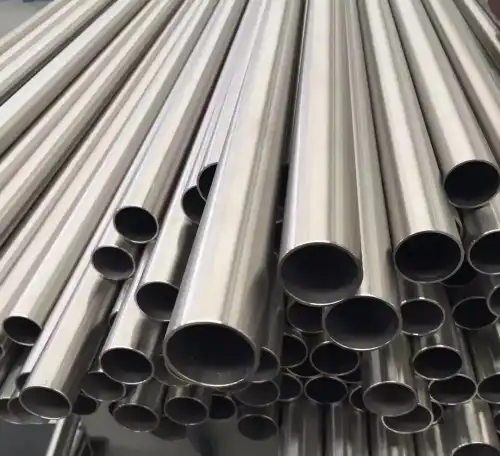
Understanding Thin-Walled Titanium Tubes: Properties and Benefits
Titanium tubes with thin walls are great for engineering because they are made of a better material and have thinner walls than other tubes. These parts are much better than normal materials for robotics and cars because they are very strong for how light they are.
Superior Material Properties
Simply put, titanium is very strong. This makes it a great material for small things that need to work very well. There isn't much corrosion in the material, even in harsh car environments with chemicals, road salts, and high temperatures. These tubes help buildings stay strong while keeping their weight low. Depending on the grade of metal, their tensile strengths run from 550 MPa to 1400 MPa.
Because they can handle heat well, titanium tubes are very useful in the auto business. The mechanical parts don't change much from -40°C to 400°C, which is the temperature range for use. While other materials might break down at high temperatures, this one doesn't. It can be used in engine rooms, exhaust systems, and battery cooling circuits for electric cars.
Enhanced Performance Benefits
Thin-walled titanium tubes help robots and car systems be lighter, which is one of the best things about them. Steel alternatives can weigh up to 40% more than titanium alternatives, but titanium is still just as strong, if not stronger. Regular cars will use less gas, and electric cars will have a longer range because of this drop.
Titanium is very hard to wear down. Its endurance limits are about 50–60% of its total tensile strength. People often load and unload robotic joints and car suspension systems, and this feature makes sure that the device still works well after all those times. Because the material is biocompatible, it can also be used in medical robots that need to talk to people.
Comparing Thin-Walled Titanium Tubes with Alternative Materials
When picking a material for robots and cars, it's important to think about how it will work, how much it will cost, and what the application needs. When you know how titanium compares to other materials, you can make smart choices about what to buy.
Titanium versus Stainless Steel
Steel that doesn't cost too much and lasts a long time has long been the most popular choice for car tubes. But titanium has many great qualities that make the higher price worth it when speed is important. Titanium is about 44% lighter than stainless steel for the same amount. This is because it is less dense (4.5 g/cm³ vs. 8.0 g/cm³).
Titanium also stands out because it doesn't rust or corrode. Chromium oxide rings on the surface of stainless steel protect it. On the other hand, titanium forms a solid layer of titanium dioxide that is better at protecting against chloride attack and crevice rust. This quality is very useful for marine cars or robotics systems that need to work in harsh environments.
Titanium versus Aluminum Alloys
Because they are stronger for their weight and cost less, aluminum alloys are already competing with titanium in uses that need to be light. But titanium can handle high heat and rust better, which is why it is used for tough jobs.
Aluminum alloys can only work at certain temperatures, usually between 150°C and 200°C. Because of this, they can't be used in engine systems or exhaust parts that are heated up a lot. When heated above 400°C, titanium keeps its tensile strength. This lets it be used in places it wasn't possible before.
Carbon Fiber Composite Alternatives
Carbon fiber is strong and can save a lot of weight, but it can't be used in all robots and car applications. Carbon fiber isn't used as much as metal because it's more sensitive to temperature changes and harder to make and fix.
When it comes to durability, titanium tubes are better than carbon fiber materials. Titanium can absorb collision energy because it is easy to shape, while carbon fiber usually breaks in weak ways. It's very important for cars and robots that need to be able to handle accidents to have this trait.
Manufacturing Process and Quality Assurance of Thin-Walled Titanium Tubes
New ways of making things let you make high-quality thin-walled titanium tubes with thin walls that meet strict standards in the car and robot industries. About 30 production lines at LINHUI TITANIUM use cutting-edge techniques to make sure that the standard and accuracy are always the same.
Advanced Processing Techniques
The first step in making something is picking a titanium alloy that is good for aircraft use. This makes sure that the material is strong enough to handle rough use. Precision extrusion lets you set very small size limits (±0.05 mm), and cold-rolling stops stress cracks that could weaken the structure.
Since electron beam welding technology is used, there are no longer any environmental risks that come with other types of welding. This method works really well for medical robotics applications that need to follow strict biocompatibility rules. The process creates parts that work properly without adding any foreign materials or breaking down heat-affected zones.
Post-processing steps improve the surface's qualities and the accuracy of its measurements. Some important steps are:
- Electrochemical cleaning to make the skin look better and be more biocompatible
- Ultrasonic cleaning to get rid of tiny particles and germs
- Getting the best material qualities from heat treatment
- Precision cutting to meet exact size needs
Comprehensive Quality Control
Tough quality control steps make sure that every tube meets all the needs before it is sent out. To find problems inside a structure without damaging it, ultrasound testing and 100% eddy current inspection are two non-destructive testing methods.
Materials tracking tools keep an eye on every tube from the time the raw materials arrive until the final review. This paperwork is very important for people who use cars and need quality approval and full supply chain transparency. It comes with a mill test report that shows the chemical makeup and mechanical properties of each shipment.
There are international licenses that show the right way to make the goods and that the process is always the same. LINHUI TITANIUM is certified to manage quality according to ISO 9001:2015. It also has approvals that are important to its business, such as AS9100D for use in aircraft and ISO 13485 for medical devices. With these licenses, you can be sure that you follow the rules set by the robotics and car businesses around the world.
Application Scenarios: Leveraging Thin-Walled Titanium Tubes in Automotive & Robotics
Titanium tubes with thin walls are very useful because they can be used in many ways in robots and cars, where speed, weight, and dependability are important.
Automotive Applications
As more electric cars are made, more high-performance, lightweight parts that improve range and gas mileage are needed. Titanium tubes are a big part of battery cooling systems. Keeping the temperature right is important for safety and function. Because the material doesn't rust and conducts heat well, heat can move quickly without the coolant breaking down.
Titanium is great for turbochargers because it is strong, light, and can handle high temperatures. When steel parts break down because of heat stress or weight, titanium is a good material to use instead. The material is strong even at high temperatures, so it works consistently when the engine is under boost. It also makes the engine lighter.
Titanium tubes are also being used more and more in parts of exhaust systems. Parts last longer in tough exhaust conditions because the material doesn't rust, and the car handles better because it's lighter. Designers of high-end cars are picking titanium exhaust systems more and more because they are lighter and work better.
Robotics Applications
Metal and plastic parts must be both light and strong in industrial robotics systems for them to work well and last a long time. Titanium tubes with thin walls are great for making robotic arms because they are strong for their weight, which lowers the loads on the actuators and makes the pointing more accurate.
Titanium is great for robotics apps that need to move things over and over again because it doesn't wear down easily. Titanium does not wear or crack as other metals do over time. It keeps its shape over millions of working cycles. This reliability makes the system more available and cuts down on the number of repairs that need to be done.
Titanium is a good material for surgery tools and parts that come into contact with patients because it is biocompatible and doesn't rust. For robotic devices that can work with MRIs, the fact that the material is not magnetic is very important, since ferromagnetic materials would get in the way of pictures.
Performance Case Studies
The effects of titanium tubes are real and can be seen in the real world. A big automaker's cooling systems for electric cars lost 15% of their weight when they moved from aluminum tubing to titanium tubing. It went about 8 miles farther on a single charge because it lost weight.
Robotics makers say that since the thin-walled titanium tube started to be used, their robots are more accurate and cost less to maintain. One company that does industrial automation said that the actuators used 25% less power because the frame was lighter. This saved a lot of energy across all of their robotic systems.
Procurement Insights: Sourcing and Evaluating Thin-Walled Titanium Tubes
To buy thin-walled titanium tubes in a smart way, you need to know how the market works, what your providers can do, and how to get the best prices. A good buyer finds a balance between quality wants and business concerns in order to meet project goals.
Supplier Evaluation Criteria
Verification of approval is what you use to judge a seller. The right suppliers keep a full set of certifications, which could include both international quality standards and approvals that are unique to the business. LINHUI TITANIUM has approvals from DNV, ABS, and other well-known classification groups, as well as TUV Nord AD2000-W0 and PED 2014/68/EU.
One way to make sure that suppliers can meet the project's needs for quantity and time is to check their manufacturing skills and ability. When a business has more than one production line, it can be more flexible and has less supply risk than when it only has one line. LINHUI TITANIUM has a lot of space for big projects because it has 30 production lines spread out over two buildings.
For complicated uses in robots and cars, you need to be able to give technical support. A lot of value is added by suppliers who offer more than just goods. For example, those who offer metallurgical knowledge, application engineering help, and customization services are very valuable. This help is very important during the steps of fixing problems and making the plan better.
Cost Optimization Strategies
Prices that are based on numbers mean that you get better deals and lower unit costs when you buy more. If you know the break points and minimum order quantities, you can use combined purchasing or forward purchasing to get the best deals on purchases.
It is the quality of the material that determines how much it costs and how well it works for certain tasks. Commercial-grade titanium metals are less expensive but don't need to be very strong. On the other hand, aerospace-grade materials need to work very well, so they're worth the extra cost.
Managing wait times can change both project plans and costs. Thin-walled titanium tubes that are made to order may take 30 days to ship, while tubes that are made to order normally ship within 15 days. If you plan your purchases around these times, you can avoid extra costs and project delays.
Conclusion
Titanium tubes with thin walls and low weight are a game-changer for the robot and car businesses that want to make things work better, weigh less, and be more reliable. Titanium is the best material for next-generation uses that need top-notch performance because it is very strong, doesn't rust, and stays stable at high temperatures. Suppliers that have been around for a while, like LINHUI TITANIUM, make sure that their customers always get high-quality items that meet strict industry standards. Proven suppliers have been making titanium goods for 21 years and have a lot of foreign certifications. They can be trusted and can help with technical issues that come up during a project.
FAQ
What are the key advantages of thin-walled titanium tubes over steel alternatives?
Steel tubes of the same thickness weigh about 40% more than aluminum tubes with thin walls, but they are still much stronger. Titanium doesn't need coats to keep it safe because it doesn't rust. This means the item needs less care and lasts longer. Because it can handle high temperatures, titanium can also be used in places where steel parts would need to be kept away from heat or cooled down manually.
How do manufacturing tolerances affect performance in precision applications?
When parts are made, tolerances affect how well they fit together and how well they work in cars and robots. LinHui Titanium can make parts with tolerances of as little as ±0.05mm thanks to its precise production methods. This makes sure that the setup works the same way every time and is reliable. Tight tolerances are very important for systems that handle fluids and need to keep them from leaking, and for fake joints that need to be able to control the sizes very precisely.
What certifications are required for automotive and robotics applications?
People who use things in cars often need ISO/TS 16949 quality approval along with material certifications like REACH and RoHS compliance. To use robotics in certain situations, like surgery, it may need extra approvals, like medical device approvals, or it may need aircraft clearances for space uses. LINHUI TITANIUM saves a lot of certification files that can be used for all of these different purposes.
How does wall thickness affect cost and performance?
By finding the best wall width, you can save money on materials while still making sure the structure works well. If you want smaller walls to keep their strength, you might need to change the way they're built. Researchers in engineering look at things like the amount of pressure needed, the mechanical loads, and safety issues to find the best wall thickness for each job.
Partner with LINHUI TITANIUM for Your Thin-Walled Titanium Tube Requirements
We can help you with your robots and car projects by giving you high-quality titanium tubes with thin walls. We are the company you can trust to give you thin-walled titanium tubes for tough jobs. We have been making things for 21 years, can make 800 tons per year, and have a lot of foreign licenses.
To make sure that the tube specs are just right for you, our technical team helps with application engineering. Our quality control methods make sure that you always get precise parts. We can ship to any country in the world and offer many shipping options, including DHL, FEDEX, air freight, and sea freight. This means that we can meet a wide range of orders and project deadlines.
Get in touch with our knowledgeable sales team at linhui@lhtitanium.com to talk about your thin-walled titanium tube needs and find out how our tried-and-true solutions can improve your robotics and car uses while still meeting your quality and performance goals.
References
1. ASM International Handbook Committee. "Properties and Selection: Nonferrous Alloys and Special-Purpose Materials." ASM International Materials Handbook, Volume 2, 10th Edition.
2. Boyer, Rodney R. "Attributes, Characteristics, and Applications of Titanium and Its Alloys." Journal of Metals Technology, Advanced Materials Research Institute, 2010.
3. Society of Automotive Engineers. "Titanium Applications in Automotive Engineering: Performance and Manufacturing Considerations." SAE Technical Paper Series, 2019.
4. International Federation of Robotics. "Lightweight Materials in Advanced Robotics: Engineering Applications and Performance Analysis." IFR Technical Guidelines, 2020.
5. Materials Research Society. "Thin-Walled Metallic Structures: Design Optimization and Manufacturing Processes." MRS Proceedings on Advanced Manufacturing, 2018.
6. American Society for Testing and Materials. "Standard Specification for Seamless and Welded Titanium and Titanium Alloy Tubes for Condensers and Heat Exchangers." ASTM B338-18 Standard Specification, 2021.