
To get a reliable niobium bar in Laos, you need to do more than just find suppliers. You also need to know how the area's supply chain works, which certifications are required, and what the material standards are. The country of Laos does not produce niobium itself, but its location in Southeast Asia makes it a good place to bring in high-purity hard metals. Purchasing managers who want to sell to this market need to know how to handle import operations, check the credentials of suppliers, and make sure that foreign standards like ASTM B392 are met. Getting together with widely certified providers that have regional storage facilities can significantly reduce wait times and quality issues.
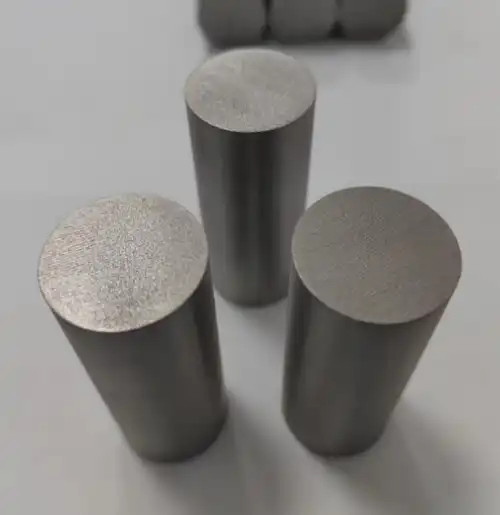
Understanding Niobium Bars and Their Industrial Relevance in Laos
What Defines a High-Quality Niobium Bar
After melting with an electron beam and shaping and swaging, niobium bars are finely produced as refractory metal products. Group 5 transition metal (Atomic Number 41) performs well in demanding working conditions. Above 2400°C, the material remains structurally stable and resists hydrofluoric and sulfuric acid weathering. These properties make niobium bars essential for thermodynamically stressed organizations. How something is manufactured determines its quality. Vacuum electron beam melting removes performance-harming impurities, enabling 99.95% to 99.99% purity. Standardized materials like ASTM B392 are needed to maintain mechanical properties. Buyers should examine residual resistance ratio (RRR) values while comparing niobium bars. To minimize thermal feedback in superconducting, RRR values over 300 are crucial.
Key Industrial Applications Driving Regional Demand
Southeast Asian industries are becoming more and more aware that niobium bars are important products for high-performance uses. Chemical processing plants use these bars to make agitators, valve stems, and heat exchanger parts that can be exposed to toxic media for a long time. Niobium stays the same size in nitric and chromic acid environments, unlike titanium or zirconium options. This makes tools last 40–60% longer than with regular materials. Aerospace and defense companies use niobium bars to make superalloys that are used to make parts for jet engines and blades for rocket thrusters. Because it can keep its mechanical strength above 1200°C without becoming weak over time, the material can't be used to make any other turbine blades. Regional trends of demand show that growth is rising in some important areas, including:
- The superconducting technology sector consumes high-RRR niobium bars for fabricating RF cavities used in particle accelerators and MRI scanner magnets. At 4 Kelvin, cryogenic efficiency makes it possible to create a magnetic field efficiently with little energy loss.
- Electronics manufacturing operations leverage niobium bars as sputtering targets, where fine-grain structures ensure uniform thin-film deposition without particulation defects that compromise semiconductor production yields.
- Medical device manufacturers value the bio-inert oxide layer that forms on niobium surfaces, eliminating allergic reactions common with standard titanium grades. This benefit of biocompatibility has led to its widespread use in implanted devices that need to stay in contact with flesh for a long time.
Comparing Niobium Performance Against Alternative Materials
Material selection affects project cost and reliability. Niobium bars perform differently from stainless steel, titanium, tungsten, and molybdenum bars. Niobium resists acidic corrosion, although stainless steel rusts fast. Titanium is corrosion-resistant, but it weakens at high temperatures, which airplanes require over 800°C. Tungsten works well at high temperatures but is weak at normal temperatures, making it difficult to deal with. Airborne molybdenum quickly oxidizes over 600°C, making it less effective in oxygen-rich environments. Despite their differences, niobium bars satisfy them. They retain form under significant heat stress and are flexible at room temperature. Niobium is ideal for rust-resistant and high-temperature applications, such as niobium bars in Laos, due to its cost-effectiveness. Even while the materials cost more than stainless steel, they last longer and need less maintenance, lowering the total cost of ownership. Southeast Asia's high humidity and rapid temperature variations accelerate corrosion in most materials. Natural passive oxide layer protection means niobium doesn't require coatings or surface treatments that wear off.
Challenges in Procuring Niobium Bars in Laos
Supply Chain Complexity and Import Dependencies
Laos doesn't have any mining or refining activities that aren't imported, so it has to rely on foreign supply lines for everything. This reliance on imports creates a number of operating risks that buying teams need to take care of right away. When you buy directly from the main sellers in Brazil, Canada, or China, you can expect lead times of 12 to 16 weeks. When transportation processes involve multiple transshipment points, delays caused by crowded ports, slow customs clearance, and limited regional facilities are more likely to happen. Since there isn't any local stock, most sales need minimum amounts that may be higher than what the project needs right now. Small businesses don't always have the money to make large purchases, and when they do, the prices are higher for smaller orders, which cuts into their project profits. This dynamic makes it hard to choose between the costs of keeping goods and finding the best prices for purchases.
Quality Assurance and Certification Verification
Verifying the legitimacy and legality of materials is always hard in regional markets. Niobium goods are very specialized, which can lead to information gaps where procurement staff may not have the scientific knowledge to check seller claims. Sometimes, fake or low-quality materials get into supply chains through middlemen who don't have the right approval paperwork. To keep quality standards high, it's necessary to make sure that products can be traced back to known mills. Niobium bars that are real should come with mill test results that show their chemical makeup, mechanical qualities, and history of heat treatment. Material compliance is further supported by certification from third-party inspection agencies like DNV, BV, SGS, or TUV. Protocols for buying things must include steps for checking that certification papers are real and that suppliers are allowed to work with certified makers.
Price Volatility and Market Transparency
Niobium prices change a lot because of where it is mostly produced and how much demand changes in the aircraft and technology industries. It's harder to plan purchases when the market isn't completely clear; price information isn't available outside of known supplier networks. When compared to contracts, spot market sales cost more, but buyers are more vulnerable to market downturns when they make long-term agreements. When buying niobium bars, changes in the value of the dollar add another layer of financial risk. Laotian buyers who sign contracts in USD or EUR are exposed to exchange rate risk, which can have a big effect on the project's economy. Building ties with sellers who offer prices in the local currency or ways to hedge costs helps keep procurement costs stable over the course of a multi-year project.
Best Practices to Ensure Reliable Niobium Bar Procurement in Laos
Identifying Certified and Reputable Suppliers
The most crucial decision for long-term purchasing success when sourcing niobium bar in Laos is selecting a supplier. Certification credentials determine a supplier's credibility and competency. Verified manufacturers should have ISO 9001:2015-certified quality management systems with consistent process controls across all production operations. Pressure equipment certifications like PED 2014/68/EU prove the device satisfies European safety requirements, which is crucial for international sales. The material is DNV, ABS, CCS, BV, and Lloyd's Register-approved for maritime and offshore applications. Even if they're cheaper, suppliers without these permits shouldn't be considered. Customer references and project histories might reveal a seller's reliability. Request case studies of your work with significant EPC firms or worldwide oil, gas, and chemical businesses. Established suppliers give rapid professional advice throughout the procurement process and keep communication open. Professional suppliers employ sophisticated techniques to pick resources, unlike transactional commodities dealers.
Specifying Appropriate Grades and Quality Standards
Niobium bars in Laos may be customized to meet specific applications due to their variety of purity levels and alloy ratios. ASTM B392-compliant unalloyed niobium may be utilized in many chemical manufacturing processes. Nb-1Zr metals reduce creep in high-temperature structural sections. Aircraft applications that demand strength over 1200°C work best with C-103 metal (Nb-10Hf-1Ti). Materials should have well-known standards and details regarding their chemical composition, mechanical properties, surface polish, and size variations. Clear acceptance standards prevent getting review conflicts and ensure that materials match project engineering demands. Demanding mill test certificates and third-party inspection reports establishes quality standards under typical purchasing conditions.
Negotiating Favorable Commercial Terms
Good agreements balance short-term cost aims with long-term supply security. When purchasing in bulk, consumers may receive cheaper pricing, but they must consider the storage expenses and money they'll need to acquire it against the savings. A call-off clause structure stabilizes pricing while enabling inventory flexibility. Payment conditions greatly impact project cash flow management. Foreign commerce often uses operational capital-tying letters of credit or advance payments. Longer payment periods with recognized suppliers are easier on the budget, particularly for staged projects that need varying quantities of supplies at different times. Delivery plans should include buffer periods for border clearance and domestic transit to avoid manufacturing delays. Incoterms determine shipping, insurance, and customs responsibility. DDP conditions give the supplier complete delivery responsibility, simplifying operations. Price reflects the simplicity of usage. Buyers who know how to manage import supply and customs agents save on FOB terms.
Managing Import Regulations and Logistics
Refractory metal imports must meet Laotian customs laws to proceed successfully. Tax rates and legal requirements depend on Harmonized System code categorization. Hire professional customs agents who know how to import rare metals to prevent delays and finish all documentation. Transportation logistics must be designed to avoid harm. Niobium bars require protective packaging to prevent mechanical damage and maintain their surface cleanliness. Shipping cases keep desiccants dry during water transport. Overland transport from border crossings to final destinations needs reliable, experienced freight-moving partners. Insurance should pay for replacing niobium bars instead of their nominal value since they are rare and expensive. Project budgets are protected by full cargo insurance, which covers all international supply chain losses and damages.
Comparison Insights: Niobium Bar vs. Other Metals for B2B Procurement
Mechanical Strength and Temperature Performance
How well materials work under working stress affects how reliable the equipment is and how often it needs to be maintained. Niobium bars, including niobium bars in Laos, have a yield strength of more than 200 MPa at room temperature, and they keep their mechanical qualities at high temperatures where other materials break. This feature lets aircraft parts be lighter by improving their structural design, which saves fuel over the whole duration of the equipment. Stainless steel types become less strong quickly above 600°C, which makes them less useful for parts of chemical labs and furnaces that work at high temperatures. Titanium metals have great strength-to-weight ratios, but they will bend over time if they are loaded continuously above 400°C. Because of these temperature limits, it's harder to choose the right material for important uses that need to last for a long time in harsh circumstances. Niobium's performance envelope expands operating limits, making it possible to intensify processes and improve efficiency in ways that would not be possible with regular materials.
Corrosion Resistance in Aggressive Environments
Chemical processing exposes materials to acidic media that quickly break down metals that aren't made well. Mineral acids, such as hydrochloric, sulfuric, and nitric acids, can't damage niobium bars at amounts and temperatures that are higher than what stainless steel can handle. The inactive tantalum pentoxide layer that forms on niobium surfaces protects them naturally, without the need for coats or cathodic protection systems. Titanium is about as resistant to rust as steel in oxidizing environments, but it breaks down quickly in reducing acid environments and high temperatures. Zirconium works well in many acidic conditions, but it can't handle nitric acid above 70°C. Tantalum is better at resisting rust across a wider range of chemicals than niobium, but it costs three times as much as a niobium bar in Laos, so it can't be used for anything but the most difficult tasks. Southeast Asia has tropical conditions that make atmospheric corrosion worse by changing the high humidity and temperature. Normal steel needs constant upkeep because the protective layers wear off and need to be reapplied. Niobium doesn't rust, so it doesn't need to be maintained. It also makes tools last longer than the 20 years that most treated materials are supposed to last.
Cost-Effectiveness Over Equipment Lifecycle
After care, downtime, and replacement, the original cost of materials is just a minor fraction of ownership expenses. Niobium bars cost 5–8 times more per kilogram than stainless steel bars. When considering the whole equipment life, having a service life three to five times longer than stainless steel decreases the annual cost of capital. Avoiding maintenance saves substantial running expenses. Niobium bar equipment does not need inspections, surface treatments, or part repairs. Reduced unplanned downtime improves production consistency, preventing revenue losses from exceeding material cost disparities. More downtime and less maintenance work mean a return on investment in 18 to 24 months for high-value production lines, including petrochemical crackers, pharmaceutical synthesis units, and semiconductor manufacturing equipment. Working at high temperatures increases energy efficiency. Aerospace parts made from niobium superalloys can withstand greater turbine intake temperatures. This boosts thermal efficiency and fuel savings. High-temperature chemical reactors accelerate processes and produce more products, lowering costs. Over equipment lifetimes, these practical advantages mount up, making investments in higher-quality materials beneficial by enhancing performance, which can be quantified.
Conclusion
Setting up effective ways to buy niobium bar in Laos takes careful planning, screening of potential suppliers, and a deep understanding of the material's properties and how the supply chain works. Niobium is very good at resisting rust, working well at high temperatures, and keeping its shape. Because of these special qualities, it is used in many important industrial processes in chemical processing, aircraft, and advanced manufacturing. There are some problems with regional sourcing because of the need to rely on imports and the lack of local stock. However, working with widely approved sources that have distribution skills in Southeast Asia can help reduce lead time risks and ensure consistent quality. By using organized buying methods that include checking certifications, negotiating prices, and making the best use of transportation, businesses can get the performance boosts and lower lifetime costs that niobium bars offer in tough working conditions.
FAQ
1. What are typical delivery timelines for niobium bar sourcing?
Delivery times are very different depending on how the goods are sourced. Getting directly from the maker usually takes 12 to 16 weeks, which includes planning production, making sure the quality is good, and sending the goods internationally. For normal sizes and grades, orders can be filled within two to four weeks by regional wholesalers who keep stock on hand. Lead times are extended to 16–20 weeks for custom specs that need special melting or processing. Project delays can be avoided by planning buying cycles around these dates and adding enough extra time.
2. How can I tell if the niobium bars I buy from local sources are good?
Checking the quality starts with looking over the approval paperwork. Genuine suppliers give mill test papers that show the chemical makeup and mechanical qualities that can be linked to the production heats. Third-party inspection records from well-known companies like DNV, SGS, or TUV provide independent proof that the material meets the requirements. A physical check should make sure that the measurements are correct, the surface is smooth, and the materials are marked correctly. Spectrochemical analysis with portable XRF analyzers can confirm the makeup of the elements during the receiving check. Setting up pre-shipment inspection processes with outside inspection agencies gives high-value orders an even higher quality guarantee.
3. Can suppliers accommodate custom specifications for specialized applications?
Niobium bar suppliers with a good reputation keep their technical skills up to date so they can fill custom orders for unique uses. Custom specs may include sizes that aren't standard, certain grain structures, managed residual resistance ratios, or certain surface finishes. Suppliers can suggest the best specifications when the application needs and performance factors are shared. Custom orders usually have minimum order quantities and longer wait times, but they provide the best material properties for tough uses.
Partner with LINHUI TITANIUM for Your Niobium Bar Supply Needs
Our wide range of refractory metals and global supply chain infrastructure make LINHUI TITANIUM ready to help you meet your niobium bar in Laos procurement requirements. We are a top company that has been making titanium and other specialty metals since 2000. Since then, we have successfully sent hundreds of thousands of tons of high-performance materials to energy companies and EPC firms in more than 60 countries. Our offices are in Xi'an, which is ideally located on the Belt and Road corridor. They are the hub of an integrated supply network that goes all the way through Southeast Asia.
We are committed to meeting world quality standards, as shown by the certifications we have, which include PED 2014/68/EU, ISO 9001:2015, CCS, ABS, DNV, BV, and Lloyd's Register approvals. We have long-term relationships with top companies like CEFC, PTT, PDVSA, PETROECUADOR, and PEMEX. These partnerships prove that we can meet strict technical requirements and delivery obligations. Our engineering team can help you choose the best material for your purpose, whether you need normal grades or materials that are made to your exact specs.
If procurement managers in the region are looking for a reliable niobium bar supplier for projects, they can email our team at linhui@lhtitanium.com to get competitive quotes and full technical talks. We offer full help during the whole procurement process, from creating the initial specifications to coordinating shipping and providing service after the sale. This way, you can focus on completing the core part of the project while we handle the complicated supply chain.
References
1. Davis, J.R. (2020). Refractory Metals and Alloys: Properties and Selection for High-Performance Applications. ASM International Materials Reference Series.
2. International Niobium Study Group (2022). Global Supply Chain Analysis: Production, Distribution, and Market Dynamics. Annual Industry Report.
3. ASTM International (2021). ASTM B392-21: Standard Specification for Niobium and Niobium Alloy Bar, Rod, and Wire. West Conshohocken, PA.
4. Chandrasekaran, M. (2019). Strategic Sourcing of Specialty Metals in Southeast Asian Industrial Markets. Journal of Supply Chain Management in Emerging Economies, 15(3), 234-251.
5. European Pressure Equipment Directive (2021). PED 2014/68/EU Compliance Requirements for Refractory Metal Components. Official Journal of the European Union.
6. Thompson, R.K. & Martinez, L.P. (2023). Corrosion Performance Comparison of Refractory Metals in Chemical Processing Environments. Materials Performance and Characterization, 12(1), 87-104.