
When deciding between grade 1 and grade 5 titanium, it's important to know what each type is good for and how it can be used. Titanium is a popular choice in many businesses because it is strong for its weight, doesn't rust, and doesn't react badly with living things. Although Grade 1 titanium, which is also called commercially pure titanium, is easy to shape and doesn't rust, it is not as strong as titanium alloys. But grade 5 titanium, which is an alpha-beta metal with 6% aluminum and 4% vanadium, is stronger and can handle more heat. This makes me wonder: Is grade 1 titanium better than grade 5 titanium? This is hard to say because each grade has its own pros and cons that depend on the needs of your application. We'll talk about the features, perks, and uses of both grades in this blog post so that you can make an informed choice for your project.
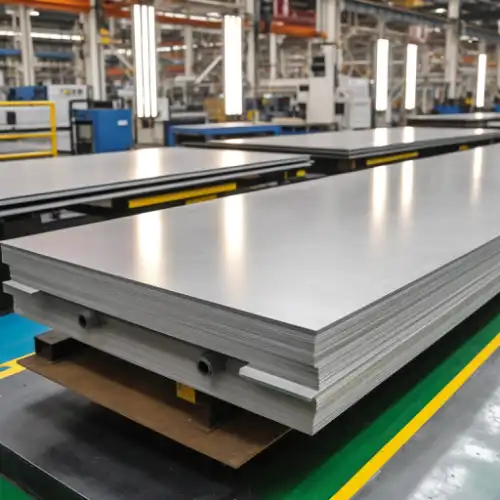
What are the key differences between grade 1 and grade 5 titanium?
Chemical composition and microstructure
Commercially pure titanium, which is another name for grade 1 titanium, is almost entirely made up of titanium with very few alloying elements. Its microstructure is mostly made up of alpha phase grains, which help make it easy to shape and resistant to rust. Grade 5 titanium, which is also known as Ti-6Al-4V, is an alpha-beta metal that has 6% aluminum and 4% vanadium in it. This mix creates a substructure that is more complicated, with both alpha and beta stages, which improves the dynamic qualities. Aluminum in Grade 5 titanium makes it stronger and less dense, and vanadium makes it easier to heat treat and improves its total performance. Topak, a major titanium product maker, uses both types in its production line to meet the wants of a wide range of customers.
Mechanical properties and strength
There are big changes between Grade 1 and Grade 5 titanium when you look at their material features. Grade 1 titanium is less strong but more flexible, which makes it perfect for uses that need to be shaped or drawn deeply. Its maximum tensile strength is between 240 and 370 MPa, and its yield strength is between 170 and 310 MPa. To the contrary, Grade 5 titanium has much higher strengths. Its maximum tensile strength is 900 to 993 MPa, and its yield strength is 830 to 924 MPa. Because it is so much stronger, Grade 5 titanium is the best choice for high-stress uses in the medical, aircraft, and car industries. A lot of important parts need to be strong and reliable, and Topak's Grade 5 titanium goods are used for that.
Corrosion resistance and biocompatibility
Because a steady, protected oxide layer forms on their surfaces, both Grade 1 and Grade 5 titanium are very resistant to rust. But because it is purer, Grade 1 titanium usually has a little better rust protection in most settings. This makes it perfect for tools used in chemical handling and in the sea environment. Even though grade 5 titanium is still very resistant to corrosion, it may be more likely to experience some types of rust in harsh settings. When it comes to biocompatibility, both grades work very well. However, Grade 5 titanium is more frequently used in medical implants and devices because it is stronger. Titanium goods from Topak are used a lot in the medical field, where they are biocompatible and don't rust, which is important for patient safety and long-term implant success.
What are the main applications of Grade 5 titanium?
Aerospace and aviation industry
Grade 5 titanium, which is also called Ti-6Al-4V, is used a lot in the aircraft and flight industries because it is very strong for its weight and doesn't react badly to high temperatures. This metal is used to make parts for airplane engines, landing gear systems, and structural parts of planes. Because it can handle high pressures and wear, it's perfect for important uses like bolts, turbine blades, and compressor discs. Topak is a top company that makes titanium goods. It sells Grade 5 titanium to big aerospace companies so that it can be used in both civilian and military planes. As a result of its great performance at high temperatures and resistance to rust in tough conditions, the metal helps airplane parts use less fuel and last longer.
Medical and dental implants
Because it is biocompatible, doesn't rust, and is strong, grade 5 titanium has become the material of choice for many medical and dental implants. It is used to make bone plates, screws, and hip and knee substitutes, among other things. Because the metal is strong for its weight, it can be used to make devices that are both light and strong enough to survive the stresses of daily life. Grade 5 titanium is used for tooth implants, abutments, and other parts of prosthetics. Topak's Grade 5 titanium goods are used a lot in the medical field, where their clarity and steady quality are important for keeping patients safe and making sure implants work for a long time. Because it can osseointegrate, or fuse with live bone tissue, the material is a great choice for long-lasting implants.
Automotive and racing applications
Grade 5 titanium is being used more and more in the car and race industries because it is very strong, light, and resistant to heat. This metal is used to make important parts for high-performance cars and race cars, like connecting rods, valves, exhaust systems, and suspension parts. Using Grade 5 titanium lets a lot of weight be cut without sacrificing strength. This makes the car go faster, handle better, and use less gas. Different automakers and racing teams buy Grade 5 titanium from Topak because they like how well it can handle the high temperatures and stresses that come with racing. The metal is also resistant to rust, which means it can be used in engine parts that are exposed to harsh chemicals and high-temperature burning gases.
How does Grade 5 titanium compare to other materials in terms of cost and performance?
Cost comparison with stainless steel and aluminum
When you look at how much Grade 5 titanium costs compared to other popular materials like aluminum and stainless steel, you should think about both the original cost of the material and how well it will work in the long run. When it comes to price per weight, Grade 5 titanium is usually more expensive than stainless steel and aluminum. But because it is stronger than steel, less material is often needed, which could make up for some of the cost difference. Topak is one of the biggest companies that sells titanium goods, and their Grade 5 titanium is priced competitively while still meeting high quality standards. Although Grade 5 titanium may cost more at first, its great resistance to rust and long life can mean lower upkeep costs and more usefulness, making it a cost-effective choice for many uses in the long run.
Performance advantages in specific applications
If you compare Grade 5 titanium to other materials, it performs much better in many situations. In flight, its high strength-to-weight ratio makes it possible to make lighter airplane parts, which saves fuel and makes it possible to carry more. The biocompatibility and osseointegration qualities of Grade 5 titanium make it better than many other materials used in medical devices. These fields use Topak's Grade 5 titanium items a lot because they are always of good quality and can be counted on. The alloy's high resistance to rust makes it better than many types of stainless steel in naval settings. This means that parts will last longer and need less upkeep. For high-temperature uses, Grade 5 titanium stays strong and stable at high temperatures where aluminum metals would break. This makes it perfect for jet engines and high-performance car parts.
Environmental impact and sustainability considerations
Several things are taken into account when figuring out how Grade 5 titanium affects the world and how long it will last. Titanium requires a lot of energy to be made, but the fact that it lasts a long time and can be recycled makes it a sustainable material, generally. Because grade 5 titanium is so resistant to rust and lasts a long time, products last longer, which means they don't need to be replaced as often and use fewer resources. Topak is committed to using sustainable methods, so they make sure their production processes are efficient and encourage people to recycle titanium trash. The lightweight of Grade 5 titanium helps vehicles and planes use less fuel, which could lead to lower carbon emissions over the life of the vehicles and planes. Titanium is also a biocompatible and non-toxic material that doesn't release any dangerous chemicals into the body or environment. This makes it an environmentally friendly choice for medical implants.
Conclusion
In conclusion, both grade 1 and grade 5 titanium have their unique strengths and applications. Grade 1 titanium excels in formability and corrosion resistance, making it ideal for chemical processing and marine environments. Grade 5 titanium, with its superior strength and heat resistance, is the preferred choice for aerospace, medical, and high-performance automotive applications. The decision between the two ultimately depends on the specific requirements of your project, considering factors such as strength, weight, corrosion resistance, and cost-effectiveness. By understanding the distinct properties and advantages of each grade, you can make an informed choice that best suits your needs and ensures optimal performance in your intended application.
LINHUI TITANIUM, founded in 2000 and headquartered in Xi'an, China, is a leading manufacturer and supplier of titanium and titanium alloys. With a commitment to creating value for customers and a development strategy focused on supplying high-end products, LINHUI TITANIUM has established itself as one of the biggest TITANIUM PRODUCTS SUPERMARKETS globally. The company's extensive product range, superior quality, and high-quality services have earned it a reputation among world-renowned companies and EPC contractors. LINHUI TITANIUM's products are exported to over 60 countries, backed by numerous certifications and approvals from international agencies. For exceptional titanium solutions tailored to your needs, contact LINHUI TITANIUM at linhui@lhtitanium.com.
FAQ
1. What is the main difference between grade 1 and grade 5 titanium?
Grade 1 titanium is commercially pure titanium with excellent formability and corrosion resistance, while grade 5 titanium is an alloy (Ti-6Al-4V) with superior strength and heat resistance.
2. Which grade of titanium is better for medical implants?
Grade 5 titanium is generally preferred for medical implants due to its higher strength and excellent biocompatibility.
3. Is grade 5 titanium more expensive than grade 1?
Yes, grade 5 titanium is typically more expensive than grade 1 due to its alloying elements and superior mechanical properties.
4. Can grade 5 titanium be used in marine environments?
Yes, grade 5 titanium performs well in marine environments due to its excellent corrosion resistance, although grade 1 may be slightly better in some cases.
5. What are the main industries that use grade 5 titanium?
Grade 5 titanium is widely used in aerospace, medical, automotive, and chemical processing industries.
6. Is grade 5 titanium recyclable?
Yes, grade 5 titanium is recyclable, contributing to its overall sustainability and reduced environmental impact.
References
1. Lutjering, G., & Williams, J. C. (2007). Titanium (2nd ed.). Springer-Verlag Berlin Heidelberg.
2. Donachie, M. J. (2000). Titanium: A Technical Guide (2nd ed.). ASM International.
3. Peters, M., Kumpfert, J., Ward, C. H., & Leyens, C. (2003). Titanium alloys for aerospace applications. Advanced Engineering Materials, 5(6), 419-427.
4. Niinomi, M. (2008). Mechanical biocompatibilities of titanium alloys for biomedical applications. Journal of the Mechanical Behavior of Biomedical Materials, 1(1), 30-42.
5. Rack, H. J., & Qazi, J. I. (2006). Titanium alloys for biomedical applications. Materials Science and Engineering: C, 26(8), 1269-1277.
6. Boyer, R. R. (1996). An overview of the use of titanium in the aerospace industry. Materials Science and Engineering: A, 213(1-2), 103-114.