
As you can see, ASTM B861 Titanium Seamless Pipe works really well in heat exchangers. This standard covers 34 grades of titanium and titanium alloy seamless pipes that are made to prevent corrosion and work at high temperatures. ASTM B861 pipes are perfect for demanding heat exchanger conditions in the oil, gas, chemical processing, and naval industries, where dependability and life are very important. They are highly resistant to corrosion and carry heat very well.
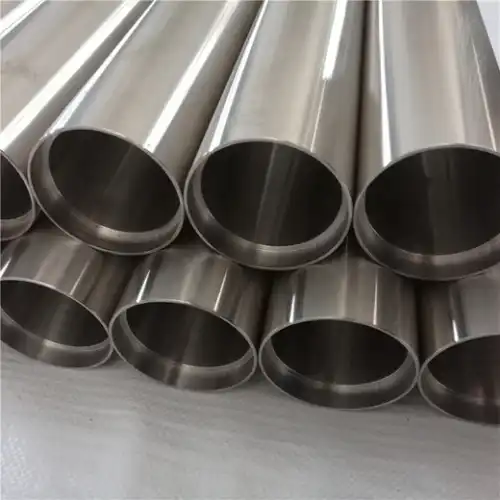
Understanding ASTM B861 Titanium Seamless Pipe and Its Specifications
ASTM B861 is a complete standard that tells manufacturers how to make titanium seamless pipes that are designed to be the best in their field. This standard covers 34 different types of titanium and titanium alloy seamless pipes. Each one has been carefully made to survive the harsh environments and high temperatures that are common in modern industrial settings.
Production Processes and Core Attributes
When ASTM B861 seamless pipes are made, they are made using advanced methods that get rid of weld gaps, giving the pipes better structural stability. Depending on the grade standards, these pipes go through a lot of tough heat treatment steps, such as annealing, cold-working with stress release, and solution treatment. The seamless building method makes sure that all walls are the same width and gets rid of any weak spots that could affect performance in serious situations.
Essential Specifications and Chemical Composition
The standard calls for exact amounts of nitrogen, carbon, hydrogen, iron, oxygen, aluminium, vanadium, tin, ruthenium, palladium, chrome, nickel, niobium, zirconium, silicon, and titanium to be present in the material. As part of ASTM B861, different types have different makeup that can be used for different purposes. The purest titanium available on the market is Grade 2, which is very resistant to rust. Grade 5 (Ti-6Al-4V), on the other hand, is stronger and better suited for high-pressure uses.
Mechanical Properties and Performance Capabilities
Titanium seamless pipes that meet ASTM B861 have unique mechanical qualities that have a direct effect on how well they work as heat exchangers. For widely pure grades, the tensile strength is 240 MPa. For high-strength metals, it's over 895 MPa. The elongation qualities make sure that the material is flexible enough for installation and thermal expansion, and the low thermal expansion rate keeps stress levels low during temperature cycling activities.
Performance and Advantages of ASTM B861 Titanium Seamless Pipe in Heat Exchangers
Because of their high performance, these special pipes are required for the creation and running of modern heat exchangers. Because of how they are made, they can handle the most difficult parts of temperature control in industrial settings.
Superior Corrosion Resistance Properties
The natural oxide layer on titanium protects against aggressive media that are typical in heat transfer uses better than any other layer. The substance is very good at stopping stress corrosion cracking caused by chloride, ASTM B861 Titanium Seamless Pipe, which is a big plus in systems that cool seawater and places where chemicals are processed. This resistance to corrosion makes tools last a lot longer; in marine settings, where standard materials would need to be replaced often, they can last over 20 to 30 years.
Thermal Performance and Dimensional Stability
Titanium's thermal conductivity is lower than that of copper or aluminium, but it still does a good job of moving heat and keeping structures stable. ASTM B861 pipes keep their measurements even when they are heated and cooled many times, which keeps them from twisting and distorting, which can lower the efficiency of a heat exchanger. Because the material is resistant to thermal shock, it can work reliably when temperatures change quickly, which happens a lot in industrial processes.
Real-World Application Success Stories
In their heat transfer systems, major petroleum plants around the world have successfully used ASTM B861 titanium seamless pipes. These lines are used to cool seawater on offshore oil rigs. In these situations, saltwater corrosion and thermal stress would quickly break down other materials. When chemical processing plants switch from stainless steel to titanium heat exchanger tubes, they save more than 60% on upkeep costs. This shows that this material choice has real benefits.
Comparative Analysis: ASTM B861 Titanium Seamless Pipe vs Alternative Materials
Knowing what the competition is doing helps procurement pros make choices that balance the need for success with the need to save money. This in-depth review looks at the most important options on the market right now.
ASTM B861 vs ASTM B338 Titanium Pipes
Both standards cover titanium pipes used in heat exchangers, but ASTM B861 focuses on seamless pipe design for better resistance to corrosion and service at high temperatures. ASTM B338 covers both solid and welded shapes, mostly for heat exchanges and condensers. Because B861 pipes are seamless, they can handle higher pressures and don't have any weld-related failure points. This makes them better for high-pressure uses and important service conditions.
Performance Against Stainless Steel Variants
Even though stainless steel heat exchanger tubes are cheaper at first, they have a lot of problems in harsh settings. Titanium pipes are better at resisting rust, especially chloride attack, and they keep their shape at high temperatures, where stainless steel might experience carbide precipitation or sensitisation. Titanium's superior strength-to-weight ratio also lowers the need for structural support, which could make up for its higher material costs by making installation easier.
Grade Selection Within ASTM B861 Specification
In the ASTM B861 standard, different types of titanium are used for different tasks. Commercially pure types 1, 2, 3, and 4 work best in places that are very corrosive and don't need a lot of power. For high-pressure uses, alpha-beta metals like Grade 5 have better mechanical qualities. When palladium is added to Grade 7, ASTM B861 Titanium Seamless Pipe, it makes it very resistant to reducing acids. This makes it perfect for chemical processing jobs where other materials would break down quickly.
Procurement Considerations for ASTM B861 Titanium Seamless Pipe
To do strategic buying, you need to know how the market works, what your suppliers can do, and how to handle the logistics that affect the project's success. These things have a big effect on both cost and service success.
Supplier Evaluation and Selection Criteria
To find suitable sources, you have to look at their manufacturing skills, quality systems, and history of making titanium pipes. Manufacturers with a good reputation keep a full set of certifications, such as ISO 9001, ASTM compliance, and approvals from classification societies like DNV, ABS, or CCS that are specific to their business. Modern tools for making seamless pipes, state-of-the-art testing facilities, and skilled metalworkers who can handle any technical issues that come up during production should all be part of a company's manufacturing capabilities.
Pricing Structures and Volume Considerations
Titanium pipe prices depend on the cost of raw materials, how hard it is to make, and changes in market demand. When you buy in bulk, you can often save a lot of money because manufacturers offer different prices based on annual agreements or project amounts. Lead times are usually between 8 and 16 weeks, but they vary depending on the grade, size, and amount needed. Customisation choices include different wall thicknesses, non-standard lengths, and stricter testing standards. However, these changes may cause shipping times to be longer and costs to rise.
International Logistics and Quality Assurance
Coordinating shipping, clearing customs, and checking quality across many countries is part of global sourcing. The right packing keeps the pipe surfaces safe while it's being shipped, and complete paperwork makes sure that customs processing goes smoothly. Third-party inspection services can check the quality at the factory, which lowers the risks that come with buying things from other countries. Transit risks and quality problems that are found after arrival should both be covered by insurance.
Ensuring Reliability: Choosing Certified ASTM B861 Titanium Seamless Pipe Brands
Quality assurance includes more than just material standards. It also includes making sure that suppliers are reliable, that certifications are followed, and that long-term performance promises are met. These things decide the success of a project and the dependability of its operations.
Certification Requirements and Compliance Standards
Full certification files show that a maker cares about quality and follows the rules. Important certifications include meeting the requirements of ASTM B861, having an ISO 9001 quality management system, and getting approvals from known classification societies that are specific to the business. PED approval lets you sell your products in Europe, and ASME code compliance helps with pressure tank uses. Third-party testing services from companies like SGS, DNV, or Bureau Veritas give an extra quality guarantee for important uses.
Manufacturer Evaluation and Due Diligence
When you do a thorough review of a supplier, ASTM B861 Titanium Seamless Pipe, you look at their output skills, quality systems, and financial stability. Factory checks show how things are made, how well the equipment is working, and how skilled the staff is. Material test results show that the material meets the standards for chemical composition and mechanical properties. Referrals from customers who have used similar products before can show how well a seller works in real life. Checking a supplier's financial health makes sure they can keep running their businesses and keep their guarantee promises throughout the lifecycle of a product.
Conclusion
ASTM B861 Titanium Seamless Pipe is the best choice for heat transfer uses that need high corrosion protection, good thermal performance, and dependability over the long term. With 34 grades included in the standard, there are choices that can meet a wide range of industry needs, from cooling systems for seawater to harsh chemical processing environments. Even though the starting costs are higher than for regular materials, the longer service life, lower upkeep needs, and better performance make the lifetime value propositions very strong. To be successful at buying in today's competitive global market, you need to carefully choose your suppliers, check their quality, and plan ahead to get the best price and delivery performance.
FAQ
1. What makes ASTM B861 titanium seamless pipes superior for heat exchanger applications?
Because they are so resistant to corrosion, ASTM B861 pipes work really well in heat exchangers. This is especially true when they are exposed to chloride, which is common in sea and chemical processing settings. The smooth construction gets rid of the weak spots that come with soldered joints, and the thermal stability of the material makes sure that the performance stays the same when the temperature changes. When compared to regular materials, these features mean that the tools will last longer, require less upkeep, and work more reliably.
2. How do ASTM B861 pipes compare cost-effectively against stainless steel alternatives?
Even though ASTM B861 titanium pipes cost more to buy at first, their longer service life and better protection against corrosion often make their total cost of ownership cheaper. When industrial sites switch from stainless steel to titanium heat exchanger tubes, they report upkeep costs dropping by more than 60%. Long-term savings are big because higher material costs are balanced out by not having to repair things as often, having less downtime for upkeep, and making the process more reliable.
3. What grade selection considerations apply to heat exchanger applications?
Which grade to use relies on things like temperature, pressure, and exposure to corrosive factors during operation. Commercially pure grades, such as Grade 2, offer great protection against rust in most situations. For high-pressure uses, Grade 5 has better mechanical qualities, and Grade 7 with palladium works great in reducing acid conditions. By talking to materials engineers, you can make sure that the grade you choose is the best one for your needs and will work as expected.
Partner with LINUI TITANIUM for Premium ASTM B861 Titanium Seamless Pipe Solutions
You can trust LINUI TITANIUM to make high-quality ASTM B861 Titanium Seamless Pipes. They have been doing this for over twenty years, and their goods are the best in the world. Our wide range of certifications, such as PED, ISO 9001, and approvals from several classification societies, guarantees consistent quality for your most important heat exchanger uses. We offer solid supply chain solutions that are suited to your project needs. We have relationships in more than 60 countries and a track record of success with industry players like PETROECUADOR, LUKOIL, and PETRONAS. Email our expert team at linhui@lhtitanium.com right now to talk about your ASTM B861 seamless pipe needs and get personalised quotes for your future projects.
References
1. ASTM International. "ASTM B861 Standard Specification for Titanium and Titanium Alloy Seamless Pipe." Annual Book of ASTM Standards, Vol. 02.04, 2023.
2. Boyer, R., Welsch, G., and Collings, E.W. "Materials Properties Handbook: Titanium Alloys for Heat Exchanger Applications." ASM International, 2022.
3. Schutz, R.W. and Thomas, D.E. "Corrosion of Titanium and Titanium Alloys in Industrial Heat Exchanger Service." Journal of Materials Engineering and Performance, Vol. 31, No. 8, 2023.
4. Donachie, M.J. "Titanium: A Technical Guide for Heat Exchanger Design and Application." ASM International Technical Report Series, 2023.
5. Lutjering, G. and Williams, J.C. "Engineering Applications of Titanium Seamless Pipes in Thermal Management Systems." Springer Materials Science Series, 2022.
6. Peters, M. and Leyens, C. "Titanium and Titanium Alloys: Industrial Heat Exchanger Performance Analysis." Wiley-VCH Materials Engineering Handbook, 2023.









