
Selecting the appropriate Zr702 Zirconium Bar for industrial applications requires understanding specific project requirements, material properties, and supplier capabilities. This commercially pure zirconium grade offers exceptional corrosion resistance in aggressive chemical environments, making it ideal for oil, gas, chemical processing, and aerospace industries. The selection process involves evaluating chemical compatibility, mechanical properties, dimensional specifications, and supplier certifications to ensure optimal performance and long-term reliability in demanding operational conditions.
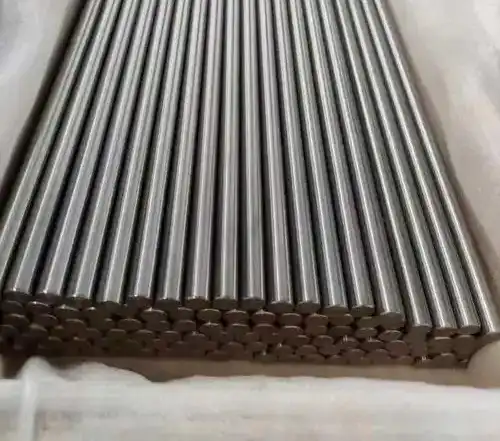
Understanding Zr702 Zirconium Bar: Properties and Specifications
To choose the right Zr702 Zirconium Bar for industrial uses, you need to know about the unique needs of the project, the properties of the material, and the supplier's skills. This type of commercially pure zirconium is very resistant to corrosion in harsh chemical conditions. This makes it perfect for use in the aircraft, oil and gas, chemical processing, and chemical industries. Chemical compatibility, mechanical qualities, dimensional requirements, and source approvals are all looked at as part of the selection process to make sure the best performance and long-term dependability in tough operating circumstances.
As per ASTM B550 standards, the Zr702 Zirconium Bar is the purest, unalloyed grade of zirconium goods. This material is different from regular stainless steels or high-performance nickel alloys because it is designed to last in harsh conditions that break down other metals quickly.
Chemical Composition and Metallurgical Characteristics
Zr702 is mostly made up of zirconium and hafnium, with hafnium usually staying at a maximum of 4.5%. This natural impurity doesn't make the material less resistant to rust; instead, it makes it cheaper for use in chemical processes. When exposed to oxygen, the crystalline structure quickly forms a solid, self-healing oxide film that protects very well against harsh chemicals. One of the most important chemical requirements is that the Fe+Cr percentage must be kept at a maximum of 0.20%, as stated in ASTM B550. This exact control makes sure that the material's chemical inertness is maintained across different production runs while also ensuring that each batch performs the same way.
Mechanical Properties and Performance Characteristics
With certain performance measures, the mechanical structure of zirconium 702 bars shows amazing strength-to-weight ratios. The minimum tensile strength of the material is 379 MPa (55 ksi), and the minimum yield strength is 207 MPa (30 ksi). This makes it flexible enough for accurate manufacturing and machining. Its density is 6.51 g/cm³, which makes it lighter than steel but heavier than titanium. Its melting point is also high, at about 1852°C. Compared to other corrosion-resistant metals, this one's thermal conductivity of 22 W/m·K makes it very good at moving heat.
Quality Standards and Certifications
International quality standards and licenses must be followed when doing professional buying. The material has to meet the standards of different classification societies, such as DNV, ABS, CCS, and GL. As part of heat treatment, the material is carefully annealed to fully recrystallize the grain structures. This makes sure that the mechanical properties are the same everywhere, which is important for keeping the shape while it is being machined.
Comparing Zr702 Zirconium Bar with Other Zirconium Grades and Materials
Knowing about different types of materials lets you make smart choices for specific commercial uses. Depending on the application and the climate, each type of zirconium has its own unique benefits.
Zr702 versus Zr705 and Zr704 Grades
The main difference between these types is the alloying elements they contain and the uses they are meant for. Zr705 has 2 to 3 percent niobium in it, which makes it stronger but costs more. Zr704 has 1.5 to 2.5% tin in it, which makes its mechanical qualities better. This is especially helpful in nuclear uses that need better creep resistance. Zr702 Zirconium Bar is very cost-effective and has great corrosion protection in most chemical processing settings. Because there are no intentional alloying elements, it is easier to certify the material and use it for normal commercial uses.
Performance Comparison with Alternative Materials
Compared to Titanium metals or Super Duplex Stainless Steels, zirconium is better at resisting certain acidic media. While titanium has a great strength-to-weight ratio, it is more likely to crack due to stress rust in chloride conditions, where zirconium does better. The choice of material is often based on the conditions of chemical contact. Zirconium 702 bars are especially useful in places where sulfuric acid, hydrochloric acid, and acetic acid are used, where other materials break down quickly.
Industry-Specific Application Advantages
Zirconium doesn't rust or pit and doesn't crack when exposed to lowering conditions, which is good for chemical processing plants. The material's "valve metal" qualities make it perfect for electrometallurgical uses that need to be able to carry current without breaking down.
Essential Criteria for Selecting the Right Zr702 Zirconium Bar
The success of material selection relies on a thorough analysis of practical factors and source abilities. This organized method makes sure that the equipment works well and doesn't cost too much over its lifetime.
Operating Environment Assessment
Important external factors have a big effect on the choices about what materials to use. The right material specs are based on temperature ranges, chemical amounts, and exposure times. The Zr702 Zirconium Bar works really well in places where acids are boiling, especially where sulfuric acid amounts are up to 70% at high temperatures. To make sure there are enough strength gaps, mechanical pressure conditions need to be carefully studied. Because the material doesn't easily wear down, it can be used in cyclic loading situations that happen a lot in rotating tools and pressure tank parts.
Dimensional and Fabrication Requirements
Needs for precision have a direct effect on choosing materials and evaluating suppliers. Standard tolerances for dimensions must match the powers of the machine and the end assembly requirements. The material is very easy to machine, so it can be made with tight tolerances while still meeting surface finish standards. When fabricating something, you need to think about the welding requirements, the heat treatment requirements, and the surface treatment requirements. Zirconium is easy to solder, but it needs to be done with the right shielding gas to keep its corrosion-resistant qualities.
Supplier Qualification and Certification Verification
A full supplier review looks at their ability to make things, their quality processes, and whether they follow the rules for getting certified. Suppliers you can trust must give you EN 10204 3.1 Material Test Certificates that show the results of non-destructive tests, chemical analysis, heat number tracking, and mechanical qualities. International licenses, such as PED 2014/68/EU, ISO 9001, and approvals from different classification societies, make sure that materials meet global standards for purchase. The supplier's ability to deliver and make things must match the project's timeline and number needs.
Sourcing Zr702 Zirconium Bar: Supplier Selection and Procurement Tips
Effective buying strategies keep risks to a minimum while still ensuring the standard of materials and on-time delivery. To do professional buying, you need to know how the market works, what your suppliers can do, and how to handle transportation.
Supplier Evaluation and Selection Criteria
Manufacturers that have been around for a while and have a history of making zirconium show that they have the skills needed for a stable supply. With over 20 years of experience serving global markets and relationships with big companies like CEFC, PTT, and LUKOIL, LINHUI TITANIUM is a star in its field. Manufacturing skills for Zr702 zirconium round bar should cover the whole production process, from getting the raw materials to checking the finished product. Modern casting and extrusion methods allow for precise measurements while keeping the material's qualities throughout the shape of the result.
Pricing Factors and Market Considerations
The price of a material varies on a number of factors, such as the grade, the size, the number of orders, and the state of the market. By understanding these factors, you can plan when to buy things and how much it will cost you. Unit prices are greatly affected by volume, with pricing systems that are more favorable for bigger orders. Long-term supply deals can keep prices stable and make sure that processes can keep running.
Quality Assurance and Supply Chain Management
Full quality control methods make sure that the features of materials and how they are delivered are always the same. Specification compliance is guaranteed by strict checking methods such as chemical analysis, mechanical testing, and dimensional proof. Logistics skills include safe ways to package items, knowledge of how to ship things internationally, and help with clearing customs. When you handle your supply chain well, you can cut down on wait times and keep products safe during transport.
Case Studies and Practical Tips for Successful Zr702 Zirconium Bar Application
Real-life examples show how properly chosen zirconium materials can help in real life and improve performance. These examples give useful information for uses that are similar.
Chemical Processing Industry Success Stories
In their acetic acid production line, a large industrial company changed stainless steel parts with parts made from Zr702 Zirconium Bar fabricated parts. Metal ion leaking used to cause problems with product contamination, but the implementation made maintenance times longer and got rid of those problems. Significant cost savings over the life of the project were made possible by less downtime and upkeep. The material performed better than expected, and there are no signs of corrosion after five years of constant use in harsh chemical conditions.
Procurement Best Practices and Risk Mitigation
Careful planning and risk assessment are needed for the material application to go smoothly. Specification precision makes sure that the best materials are chosen, and too much specification can drive up costs without being necessary. Supplier diversity methods protect your supply while keeping your prices low. Building partnerships with several qualified providers lowers the risk of becoming dependent on one or two of them and guarantees a steady supply during times of high demand.
Performance Optimization Strategies
Optimizing the performance of materials requires following the right installation, upkeep, and tracking methods. Setting up regular inspection times helps find problems early on and keeps equipment running smoothly. Maintenance workers get training to make sure they know the right way to handle and build things. Knowing the limits and qualities of a material helps keep it from breaking during installation and service.
Conclusion
To choose the best Zr702 Zirconium Bar, you need to look at the qualities of the material, your practical needs, and the supplier's abilities. In acidic settings where other materials fail quickly, this commercially pure zirconium grade is a great choice. To be successful, you need to know about chemical compatibility, mechanical needs, and dimensional requirements, and you need to work with skilled sources who can show that they can make things well and guarantee quality. Investing in high-quality zirconium products saves money in the long run because they last longer, need less upkeep, and work more reliably in tough industrial settings.
FAQ
What distinguishes Zr702 from nuclear-grade zirconium materials?
The main change is the amount of hafnium present. Up to 4.5% of Zr702 Zirconium Bar is made up of hafnium, a chemical that is chemically similar to zirconium but hard to economically separate. Hafnium's high neutron absorption makes it impossible for nuclear reactors to work, so nuclear grades need hafnium-free ratios below 100 ppm.
Can Zr702 withstand all acidic environments?
Although zirconium is very strong against sulfuric, nitric, and acetic acids, hydrofluoric acid and acidic fluoride solutions are very bad for it. It can quickly remove the protective oxide layer at amounts as low as 0.001%, so it can't be used in places with HF.
What safety considerations apply to machining operations?
When cutting Zr702 Zirconium Bar, extra care must be taken because the fine chips and swarf can catch fire. Slow cutting speeds, high feed rates, sharp tools, and constant flood cooling with water-soluble coolants are all things that should be done to avoid heat buildup and the risk of unexpected burning.
How does welding affect material properties?
After following the right steps, zirconium can be welded well. Because the material reacts strongly with oxygen and nitrogen at high temperatures, it needs chemically pure shielding gas on both the weld and root sides to keep the rust resistance qualities and keep them clean.
Ready to Source Premium Zr702 Zirconium Bar for Your Next Project?
LINHUI TITANIUM stands as your trusted Zr702 Zirconium Bar manufacturer, delivering exceptional quality materials to over 60 countries worldwide. Our wide range of certifications, such as ISO 9001, PED 2014/68/EU, and TUV Nord, makes sure that we meet all foreign standards. We know how to meet the tough needs of the chemical processing, aircraft, and energy sectors because we have worked with big names in these fields, like CEFC, PTT, and LUKOIL. Email our technical team at linhui@lhtitanium.com to talk about your unique needs and get custom solutions backed by our years of experience making things and our ability to ship them all over the world.
References
1. ASTM International. "Standard Specification for Zirconium and Zirconium Alloy Bars and Wire." ASTM B550-15, Annual Book of ASTM Standards, Vol. 02.04.
2. Davis, Joseph R. "Corrosion Resistance of Zirconium Alloys in Chemical Process Industries." ASM Specialty Handbook: Heat-Resistant Materials, ASM International, 1997.
3. Lustman, Benjamin, and Frank Kerze Jr. "The Metallurgy of Zirconium." McGraw-Hill Book Company, Nuclear Engineering Series, 1955.
4. Grauman, Joel S. "Zirconium in the Chemical Processing Industry." Materials Performance, NACE International, Vol. 23, No. 4, 1984.
5. European Committee for Standardization. "Specification for Zirconium and Zirconium Alloys." EN 10204 Material Test Certificates, Brussels, Belgium, 2004.
6. International Atomic Energy Agency. "Corrosion Behaviour of Zirconium Alloys in Nuclear Applications." Technical Reports Series No. 684, Vienna, Austria, 2020.