
To choose the best tantalum block for your commercial use, you need to carefully consider the features of the material, the dependability of the provider, and the needs of the application. Purity levels, density requirements, rust protection, and size limits are some of the most important factors. To be considered high-quality, tantalum blocks must meet strict international standards and have great cutting qualities. They must also work consistently in harsh settings. When picking a tantalum block source, think about how well they know how to make the blocks, if they have the right certifications, and if they can make solutions that fit your project's technical needs and delivery schedules.
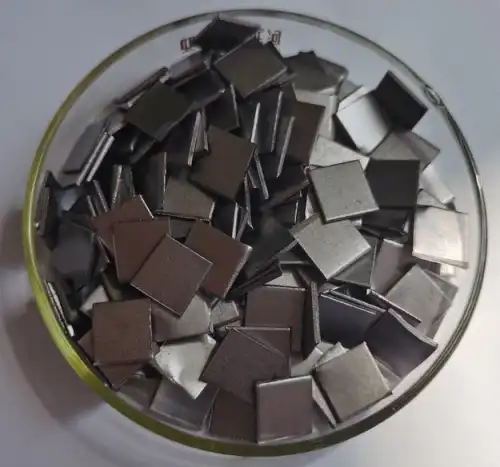
Why Tantalum Blocks Are Critical for Modern Industrial Applications
Industrial settings need materials that can stand up to the worst conditions and still work well and keep their structure. Tantalum blocks are now essential parts in many fields, especially the chemical, aircraft, medical, oil and gas, and chemical industries. This rare refractory metal is very resistant to rust, so it can be used in places where other materials won't work. When used in chemical processing, almost all acids can't break down tantalum blocks, but hydrofluoric acid and hot, strong alkalis can. Tantalum has a very high resistance because it can create a safe oxide layer that grows back when it gets broken. Because the material is biocompatible, it is very useful for making medical devices that are safe and last a long time. Tantalum's high melting point (3017°C) and high strength-to-weight ratio are very important to the aircraft industry. Because of these qualities, it is possible to make parts that work consistently in settings with wide temperature changes and a lot of stress. Tantalum is also very flexible, which makes it possible to do complicated cutting processes and make the complex shapes needed in modern engineering uses.
Essential Selection Criteria for Tantalum Block Procurement
When looking at tantalum blocks for commercial use, there are a few important things that will affect your choice. Knowing these factors can help you get the best results and the highest returns on your investments. Standards for purity: The quality of the tantalum block has a direct effect on how well it works. Tantalum that is used in business is usually 99.95% pure metal, but some uses may need it to be 99.99% pure or higher. Higher levels of cleanliness make things less likely to rust and lower the risk of contamination in processes that need to be kept clean. Density Requirements: Tantalum has an ideal density of 16.65 g/cm³, but the density of blocks made from it may be a little different. Consistent density shows that the materials and production methods are working properly. Changes in density can be a sign of problems inside or an uneven makeup. Dimensional Tolerances: Tight control of dimensions is needed for precision manufacturing. For normal uses, good providers keep margins within ±0.1mm. Tighter specs are offered for important parts. Keeping accurate measurements lowers the cost of cutting and ensures that all the parts work together. Surface Quality: The finish on the surface affects both how it looks and how well it works. Depending on the purpose, industrial uses usually need Ra values between 0.8 and 3.2 μm. Smooth surfaces are less likely to get dirty and are better at resisting rust. Certification Compliance: International standards check the qualities of materials and the ways they are made. Look for providers that have ISO 9001:2015, PED 2014/68/EU, and any other certifications that are needed for your business. Organizations like SGS, TUV, and DNV offer third-party testing services that add to the quality guarantee.
Premium Tantalum Block Grades for Demanding Applications
High-Purity Tantalum Blocks (99.99% Min)
High-purity tantalum blocks represent the pinnacle of tantalum metal manufacturing, designed for the most demanding industrial applications. These blocks contain minimal impurities, typically less than 100 ppm total, ensuring maximum corrosion resistance and performance reliability.
Key Advantages:
- Superior corrosion resistance in aggressive chemical environments
- Enhanced biocompatibility for medical device applications
- Improved electrical conductivity for specialized electronics
- Reduced risk of contamination in sensitive processes
- Excellent machinability with minimal tool wear
These high-purity blocks work great in tools used to make medicines, where keeping things clean is very important. They are used in the aircraft business for parts that are exposed to high temperatures and conditions that rust. For internal devices, medical device makers prefer high-purity tantalum because it is very biocompatible and stable over time. Electron beam melting and vacuum arc remelting are two of the cleaning steps used in the production process. This thorough processing makes sure that the makeup is regular and gets rid of any possible flaws. For quality control, spectroscopic analysis is used to check the amount of purity and mechanical testing is used to check the features of the material. Linings for chemical reactors, parts for heat exchangers, medical tools, and specialty electrical parts are just a few of the uses. Investing in high-purity tantalum blocks pays off by increasing process efficiency, extending service life, and lowering the need for upkeep.
Commercial-Grade Tantalum Blocks (99.95% Min)
Commercial-grade tantalum blocks offer an excellent balance between performance and cost-effectiveness, making them suitable for a wide range of industrial applications. These blocks maintain high purity levels while providing more economical pricing for large-volume projects.
Key Advantages:
- Cost-effective solution for high-volume applications
- Reliable performance in standard industrial environments
- Consistent quality with established supply chains
- Versatile machining characteristics
- Proven track record across multiple industries
Commercial-grade tantalum blocks are used a lot in the oil and gas business for downhole tools and processing plant parts. Chemical processing plants use these materials to line storage tanks, fabricate reactor components, and fabricate pipe systems. Because it doesn't react with hydrogen sulfide or other toxic chemicals, the material is very useful in manufacturing settings. When commercial-grade blocks are made, the methods focus on being as efficient as possible while still meeting quality standards. When vacuum induction melting is followed by hot forging, structures that are thick and regular are made. When you anneal something, you reduce internal pressures and improve its tensile features. Each batch goes through a lot of tests, such as chemistry analysis and sound inspection.These blocks are the starting point for many tantalum goods, such as sheets, rods, and parts that are custom-made. The qualities stay the same, which makes production processes stable and service performance expected. Commercial-grade tantalum blocks are great for long-term projects that need to ensure they always have enough materials.
Aerospace-Grade Tantalum Blocks
Aerospace-grade tantalum blocks meet the stringent requirements of aviation and space exploration applications. These materials undergo enhanced testing and certification processes to ensure compliance with aerospace industry standards.
Key Advantages:
- Certified compliance with aerospace material specifications
- Enhanced traceability documentation
- Superior high-temperature performance
- Controlled grain structure for optimal mechanical properties
- Specialized packaging and handling procedures
Materials that can resist changes in high temperatures, radiation, and mechanical stress are needed in the aircraft industry. Specifically designed heat processes are used on aerospace-grade tantalum blocks to improve their grain structure and dynamic qualities. The methods improve the part's resistance to wear and make sure it works the same way throughout its service life. Quality assurance includes keeping detailed records of where the materials came from, how they were processed, and the results of experiments. Complete tracking is made possible by marking each block with a unique number. Instead of breaking things, non-destructive testing checks for internal health and finds possible flaws before the shipment. Uses include parts for rocket nozzles, satellite structures, and airplane engines. Because it stays strong at high temperatures, the material is necessary for hypersonic vehicle use. Radiation protection and long-term security in difficult settings are important for space research efforts.
Global Market Dynamics and Regional Considerations
The world tantalum market shows how different businesses in different countries have different needs. To make the best buying plans for foreign projects, it's helpful to know about area tastes, legal requirements, and the way the supply chain works. In North American markets, high-quality standards and thorough licensing procedures are very important. Demand for high-purity grades with lots of paperwork comes from the aerospace and military businesses in the area. Environmental laws have an effect on how things are made and what materials are used. Sustainability and protecting the Earth are important to European economies. Pressure tank uses need to have the PED 2014/68/EU approval. European buyers usually give more weight to providers who have well-established quality management systems and environmental approvals. The use of petrochemicals is growing quickly in Asian markets, especially in Southeast Asia and the Gulf area. In these areas, people care about having stable supply lines, low prices, and high quality standards. For big projects, local content standards may affect which suppliers are chosen. In the African and CIS markets, there are often big building projects that need a lot of materials. In these areas, it's important to have long-term supply deals and prices that are competitive. Buying choices are affected by things like price and political stability. International trade ties are complicated in the tantalum supply chain. Tantalum rock comes mostly from Africa and Australia, but manufacturing sites are in Asia and North America. Getting materials is both easier and harder because of this world's distribution.
Quality Assurance and Testing Protocols
Tantalum blocks are made to meet specific standards and work reliably in service thanks to extensive quality testing programs. Knowing the rules for tests helps buyers judge the skills of suppliers and the quality of materials. Quality control is based on analyzing the chemical makeup of things. ICP-MS, or inductively coupled plasma mass spectrometry, is a very accurate way to measure the makeup of elements. X-ray fluorescence spectroscopy can be used for quick screening in production control. These testing methods check levels of purity and find small amounts of contaminants. Testing a material's mechanical properties measures how well it works. Ultimate strength, yield strength, and stretch qualities are all found through tensile tests. Measurements of hardness show how well an object can be processed and what its state is. Impact testing checks how tough something is and how likely it is to break . Non-destructive testing finds flaws inside a material without breaking it. Ultrasonic testing can find gaps, inclusions, and problems at the grain boundaries. Radiographic examination shows changes in density and internal structures. Eddy current testing checks the state of the surface and finds flaws close to the surface. Dimensional checking makes sure that limits are met. Coordinate measuring tools are a precise way to measure things in three dimensions. Surface roughness testing measures how good the finish is. These measures make sure that the production is accurate and that the parts work together.
Manufacturing Excellence at LINHUI TITANIUM
Because they have been making hard metals for 21 years, LINHUI TITANIUM has become one of the best companies to make tantalum blocks. Our state-of-the-art buildings have two factories with 30 specialized production lines. This lets us make 800 tons of different types of tantalum every year. Advanced vacuum arc remelting and electron beam melting technologies are used in our production process. These complex methods make sure that the makeup is regular and get rid of any possible sources of contamination. During all steps of production, controlled oxygen handling keeps the material pure. Quality management systems meet the requirements of ISO 9001:2015 and have other certifications, such as PED 2014/68/EU and approvals from different classification societies. Our quality methods are checked by SGS, TUV, and DNV, which are all independent third-party inspection services. The company's global supply chain includes a number of shipping choices, such as DHL and FedEx for urgent needs, air freight for mid-sized amounts, and sea freight for big projects. This allows for on-time release, no matter where the project is or how quickly it needs to be done. Our ability to meet strict requirements is shown by our strategic relationships with big oil companies, EPC firms, and industry makers. Our foreign experience is shown by projects in North and South America, the Gulf area, Africa, the CIS countries, and Southeast Asia.
Purchasing Recommendations and Strategic Considerations
To get tantalum blocks successfully, you need to plan and think strategically. Long-term supply deals can save you money and make sure that you always have the materials you need for your projects. Early interaction with suppliers lets expert teams work together and improve specifications. Costs of materials, shipping, and possible border taxes should all be taken into account when making a budget. Price changes in the market show how supply and demand work, which is why time is an important part of buying things. There may be volume savings for big sales or contracts that last more than one year. Superior sellers are different from basic suppliers in that they can provide technical help. Search for providers who can help with application planning, material selection, and fixing problems. Technical relationships can help make ideas better and find ways to cut costs. Supply chain risk management is important for various uses. Diversified buying methods make it less important to rely on just one source. Inventory management weighs the costs of holding on to items against the safety of supplies. Emergency buying processes make sure that things keep running even when supplies are suddenly cut off. Different industries and uses have different documentation needs. For aerospace uses, full material tracking is needed. For nuclear uses, a lot of tests and approval are needed. Biocompatibility paperwork is needed to make medical devices. If you know about these standards early on, you can avoid delays and extra costs.
Industry Trends and Market Outlook
As technology improves and market needs change, the tantalum business also changes. Recycling programs and sustainable mining methods help the earth and ensure there is a steady supply in the future. Modern methods of making make materials better and lower the cost of production. The market for high-performance tantalum goods is growing because it is being used more and more in green energy systems and electric car parts.
Conclusion
Selecting the optimal tantalum block for industrial applications requires careful evaluation of material properties, supplier credentials, and application-specific requirements. The decision impacts project performance, costs, and long-term reliability. High-purity grades offer superior performance for demanding applications, while commercial grades provide cost-effective solutions for standard industrial use. Quality assurance protocols, certification compliance, and supplier expertise significantly influence material performance and project success. LINHUI TITANIUM's proven track record, comprehensive certifications, and global supply capabilities make us the ideal partner for your tantalum block procurement needs.
Partner with LINHUI TITANIUM for Superior Tantalum Block Solutions
LINHUI TITANIUM stands ready to meet your most demanding tantalum block requirements with unmatched expertise and proven reliability. Our comprehensive certification portfolio, including ISO 9001:2015, PED 2014/68/EU, and multiple classification society approvals, ensures compliance with international standards. As a trusted tantalum block supplier with 21 years of manufacturing excellence, we deliver consistent quality and reliable performance for critical applications worldwide. Our global logistics network and flexible delivery options guarantee your materials arrive safely and on schedule. Experience the LINHUI TITANIUM difference in quality, service, and technical support – contact us at linhui@lhtitanium.com to discuss your specific tantalum block needs and discover how our expertise can enhance your project success.
FAQ
Q: What purity level should I specify for chemical processing applications?
A: Chemical processing applications typically require 99.95% minimum purity for standard environments, while highly corrosive conditions may benefit from 99.99% purity tantalum blocks to ensure maximum corrosion resistance and extended service life.
Q: How do I verify the authenticity and quality of tantalum blocks?
A: Request material certificates, including chemical analysis, mechanical properties, and dimensional inspection reports. Third-party inspection services from recognized organizations like SGS or TUV provide independent verification of material specifications and quality.
Q: What is the typical lead time for custom tantalum block orders?
A: Lead times vary based on size, quantity, and specifications. Standard sizes typically require 4-6 weeks, while custom dimensions may need 8-12 weeks. Rush orders can often be accommodated with expedited processing and premium shipping options.
References
1. Davis, J.R. (2000). "Refractory Metals and Alloys: Properties and Applications in High-Temperature Environments." ASM International Materials Handbook, Volume 15, pp. 445-467.
2. Miller, G.L. (1959). "Tantalum and Niobium: Industrial Production and Processing Methods." Academic Press Materials Science Series, Chapter 8, pp. 178-203.
3. Thompson, R.C. (2018). "Corrosion Resistance of Refractory Metals in Chemical Processing Industries." Journal of Materials Engineering and Performance, Vol. 27, No. 4, pp. 892-908.
4. Anderson, K.M. (2019). "Quality Control and Testing Methods for High-Purity Tantalum Products." International Journal of Refractory Metals and Hard Materials, Vol. 83, pp. 245-258.
5. Wilson, P.D. (2020). "Global Supply Chain Dynamics in the Tantalum Industry: Market Analysis and Future Trends." Materials and Manufacturing Processes, Vol. 35, No. 12, pp. 1334-1349.
6. Roberts, S.A. (2021). "Aerospace Applications of Tantalum Alloys: Performance Requirements and Material Selection Criteria." Aerospace Materials and Structures Quarterly, Vol. 48, No. 3, pp. 67-84.