
Importing high-quality zirconium wire from China to the UK requires careful planning and understanding of international trade procedures. This comprehensive guide walks you through every step of the import process, from identifying reliable suppliers to completing customs clearance. Chinese manufacturers offer exceptional value through advanced manufacturing capabilities, competitive pricing, and extensive product ranges. Success depends on selecting certified suppliers, understanding trade terms, managing documentation properly, and ensuring compliance with UK regulations. The process involves supplier evaluation, contract negotiation, production oversight, shipping arrangements, and customs procedures that typically span 4–8 weeks, depending on the order complexity and shipping method.
Why Source Zirconium Wire from China?
Manufacturing Excellence and Technical Capabilities
By mixing advanced metalworking understanding with cutting-edge production facilities, China has become the world leader in making zirconium wire. Precision operations for wire drawing are made possible by the country's technological infrastructure, which guarantees consistent circle tolerances and high-quality surface finishes. Cutting-edge machinery, such as specialized drawing tools that keep the material's natural corrosion resistance properties even during the production process, is used by Chinese companies to make zirconium wire.
The manufacturing ecosystem has decades of practice working with metals that react. Zirconium wire is kept pure above 99.5% in factories that use carefully controlled surroundings and special techniques. Because of this expertise, products are made that meet strict international standards for use in aerospace, the nuclear business, and medicine, where the integrity of the materials is very important.
Cost Advantages and Economic Benefits
Chinese providers of zirconium wire offer big price cuts without lowering quality standards. When compared to European options, the integrated supply chain method cuts the cost of materials by up to 40%. Lower labor costs, government backing for manufacturing with advanced materials, and economies of scale all make it possible for prices to be competitive, which is good for buyers from other countries.
The cost structure transparency goes beyond the prices of the original purchases. Chinese makers usually offer full pricing that includes testing for quality, proof of certification, and adaptable payment terms. This method enables budgeting easier and lowers the risk of unexpected expenditures during the buying process.
Product Range and Customization Options
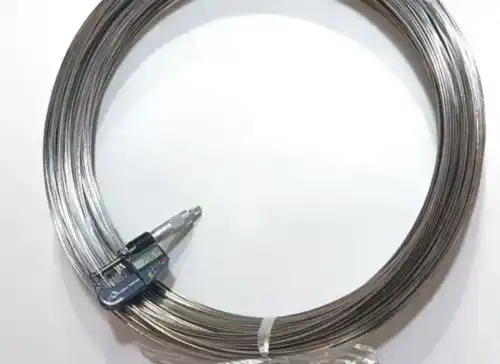
Chinese sellers hold a lot of zirconium wire in stock, with gauges ranging from 0.1 mm to 10 mm. The range of products includes different grades, like zirconium-702 and zirconium-705, as well as special zirconium wire alloy mixes made to meet specific uses. This variety means that projects don't have to find multiple sources when they need different requirements.
Specialized treatments, for example zirconium wire annealing processes that make the mechanical properties best for certain uses, are also possible. Manufacturers can change the tensile strength, the way the surface is treated, and offer custom packaging designs to fit with the requirements of each project.
Understanding Technical Specifications and Quality Standards
Critical Material Properties and Performance Characteristics
Zirconium wire properties include exceptional corrosion resistance, particularly in acidic environments where other materials fail. The material maintains structural integrity in temperatures up to 400°C while exhibiting low neutron absorption cross-sections that make it invaluable for nuclear industry applications. Understanding these characteristics helps buyers specify appropriate grades for their intended applications.
When zirconium wire is annealed, its tensile strength is usually across 380 and 550 MPa. When it is work-hardened, however, it can reach strengths of over 700 MPa. Because zirconium wire is conductive, it can be used in specific electrical uses that need both transmission and corrosion resistance at the same time.
Industry Standards and Certification Requirements
Zirconium wire is governed by international standards such as ASTM B551, ASME SB551, and different nuclear operation specifications. These guidelines set limits on chemical composition, mechanical property needs, and testing methods that make sure quality is always constant. Reliable Chinese manufacturers have certifications from plenty of foreign groups, such as CCS, DNV, and ABS.
Mill test certificates, dimensional inspection reports, and chemical analysis results should all be included among quality papers. For each batch, there needs to be documentation that shows where the material came from, from the raw zirconium sponge to the finished wire drawing steps. This form of documentation is very important for aerospace and nuclear uses that need to check the material history.
Application-Specific Requirements
For different uses, zirconium wire needs to include particular properties. Biocompatibility certifications and very high purity levels are needed for medical use for medical use. Consistent mechanical properties and fatigue resistance are important for aerospace uses. Guidelines for the nuclear business promote a low hafnium content and being able to absorb neutrons.
Zirconium wire welding needs a controlled atmosphere and certain surface preparations. Suppliers should give out full technical data sheets that explain the best ways to weld, design joints, and treat materials after the welding process to keep their corrosion-resistant qualities.
Navigating Regulations and Compliance Requirements
UK Import Regulations and Documentation
Importing zirconium wire into the UK requires adherence to specific customs procedures and documentation requirements. The material falls under specific commodity codes that determine applicable duty rates and regulatory oversight. Importers must register with HM Revenue & Customs and obtain an Economic Operator Registration and Identification (EORI) number before initiating shipments.
Commercial invoices with product specs, packing lists with quantities and weights, and certificates of origin that show where the product was made are all examples of paperwork that is needed. Conformity papers that show compliance with UK technical standards and safety requirements may be added as extra paperwork.
Safety and Environmental Compliance
Handling zirconium wire requires following UK health and safety rules, which include the right way to store the wire and protect workers. Zirconium is very biocompatible, but when it is machined, it can produce fine particles that need to be cleaned up and workers must wear safety gear.
Taking care of trash and recycling zirconium products are regulated by environmental laws. Zirconium is very valuable, so reusing it is a good idea from an economic point of view. There are also well-established ways to reuse and recycle zirconium wire scrap to make new products.
Industry-Specific Regulatory Requirements
AS9100 quality control systems and material qualification procedures must be followed for aerospace applications. Nuclear quality assurance standards must be followed by everyone in the nuclear business, and depending on the application and amount, special licenses may be needed.
Medical device applications must meet the prerequisites of the Medical Device Regulation (MDR), which include biocompatibility evaluations and proof of a risk assessment. These rules make sure that medicinal applications of zirconium wire meet strict safety and performance standards.
Step-by-Step Import Process
Supplier Identification and Evaluation
To start, look into certified zirconium wire providers who have a history of doing business overseas. Check out probable partners' manufacturing skills, quality certifications, and customer references prior to selecting a decision. Ask for detailed business profiles featuring lists of facilities, equipment, and documentation for the quality management system.
To make sure you can make things, give virtual tours of the facility or have third parties inspect them. Look over licenses from well-known worldwide organizations and make sure the seller can give you the paperwork you need for UK customs clearance.
Quotation and Negotiation Process
Share specific technical specifications, such as the diameter of the zirconium wire you need, how many you need, when you need them supplied, and quality standards. Ask for detailed quotes that include trade terms, payment terms, and any services like testing and permits that are included.
For cost allocation, it's important to understand trade terms. With FOB (Free on Board) terms, buyers take responsibility for setting up foreign shipping and insurance. With CIF (Cost, Insurance, and Freight) terms, these services are included in the amount that the supplier imposes. EXW (Ex Works) terms give the lowest initial price but require buyers to handle all transportation and export procedures.
Contract Development and Risk Management
Make precise purchase agreements that map out technical needs, delivery terms, quality standards, and ways to work out disagreements. Include terms that say there will be charges for deliveries that are late and poor quality. Set payment terms that protect both the buyer and the seller of the goods. For example, 30% down payment and 70% upon receipt of shipping documents.
Think about multiple methods to finance trade, such as letters of credit that protect both sides. When it comes to safety, documentary collections are in the middle. They keep costs low for both importers and exporters.
Production and Quality Assurance
Manufacturing Oversight and Quality Control
Set up systems for monitoring production that let you see how things are going with the production. Ask for regular updates, such as pictures of the production, test results, and completion dates. You might want to hire external inspection companies to make sure the quality meets standards before shipping.
Protocols for incoming material verification, testing while the product is being made, and final inspection should all be part of quality control processes. Checks on the diameter of the zirconium wire make sure it is accurate, and mechanical tests make sure the wire's tensile strength and elongation qualities are correct. Chemical research makes sure that the composition meets certain requirements.
Testing and Certification Procedures
As part of extensive evaluation methods, measurements are checked, mechanical properties are tested, and chemical composition is analyzed. Eddy current inspection is one type of non-destructive testing that can find surface flaws without damaging the material. Ultrasonic testing may prove needed for wires with a bigger diameter that are used in important situations.
Mill test certificates signed by experienced workers, physical inspection reports with statistical analysis, and chemical analysis data from recognized laboratories should all be included in the certification paperwork. The documentation lays the groundwork for getting through customs and getting approved by the end user.
Shipping and Logistics Management
Transportation Options and Cost Considerations
Pick the right shipping way based on how quickly you need it, how much it will cost, and what kind of cargo it is. For large items, shipping by sea is the most cost-effective choice. It usually takes 25–35 days for goods to get from Chinese ports to destinations in the UK. Transit times are cut down to 3–7 days with air freight, but the cost of shipping is much higher.
Packaging requirements for zirconium wire include moisture protection, physical damage prevention, and proper labeling for customs identification. Wooden spools or plastic reels provide secure winding support while protecting the wire surface from contamination and mechanical damage during handling.
Documentation and Customs Procedures
Prepare comprehensive shipping documentation, including commercial invoices, packing lists, bills of lading, and certificates of origin. Insurance certificates protect against transportation risks while inspection certificates provide quality assurance documentation for customs officials.
UK customs clearance requires the electronic submission of import declarations through the Customs Handling of Import and Export Freight (CHIEF) system. Customs brokers can manage these procedures on behalf of importers, ensuring compliance with all regulatory requirements and minimizing clearance delays.
Cost Structure and Pricing Transparency
Understanding Total Cost of Ownership
Calculate comprehensive import costs, including material prices, transportation charges, insurance premiums, customs duties, and handling fees. UK customs duties for zirconium products typically range from 0 to 6%, depending on specific classifications and country of origin preferences.
Additional costs include customs clearance fees, port handling charges, and inland transportation from ports to final destinations. Value-added tax (VAT) applies to the total import value including duties and transportation costs, requiring careful budget planning for cash flow management.
Payment Terms and Financial Arrangements
Negotiate payment terms that balance supplier security with buyer protection. Common arrangements include 30- to 50% advance payments, with the balance paid against shipping documents. Letters of credit provide security for both parties while enabling suppliers to access working capital during production.
Consider currency hedging strategies to protect against exchange rate fluctuations during extended production periods. Forward contracts can lock in favorable exchange rates, while options provide protection against adverse movements while preserving upside potential.
Why LINUI TITANIUM is Your Ideal Import Partner
Proven Track Record and Global Experience
LINHUI TITANIUM brings over two decades of experience serving global customers across more than 60 countries. The company has established long-term partnerships with world-renowned organizations, including major oil companies, energy giants, and international EPC contractors. This extensive experience translates into a deep understanding of international trade requirements and customer needs.
The company's expertise extends beyond simple product supply to comprehensive project support, including technical consultation, quality assurance, and logistics coordination. This integrated approach simplifies the import process while ensuring consistent quality and reliable delivery performance.
Comprehensive Certification and Quality Assurance
LINHUI TITANIUM maintains an extensive portfolio of international certifications including PED 2014/68/EU, CCS, ABS, DNV, BV, and ISO 9001:2015 quality management systems. These certifications demonstrate commitment to quality excellence and regulatory compliance across multiple industries and geographic regions.
The company's quality management systems encompass every aspect of production from raw material verification through final product testing and certification. Third-party inspection agencies including DNV, BV, SGS, and TUV provide independent verification of quality conformance and documentation accuracy.
Supply Chain Reliability and Technical Support
As a comprehensive "Titanium Products Supermarket," LINHUI TITANIUM maintains extensive inventory levels and production capacity to support both standard and custom requirements. The integrated supply chain approach ensures consistent availability while providing flexibility to accommodate urgent delivery requirements.
Technical support capabilities include application engineering, material selection guidance, and processing recommendations. The company's metallurgical expertise helps customers optimize material choices for specific applications while ensuring compliance with relevant industry standards and specifications.
Common Pitfalls and Best Practices
Avoiding Quality and Specification Issues
Clearly define technical specifications including dimensional tolerances, mechanical property requirements, and surface finish standards. Ambiguous specifications lead to misunderstandings and potential quality issues. Provide reference standards and acceptance criteria that eliminate subjective interpretation.
Implement incoming inspection procedures that verify conformance with purchase specifications. Dimensional checks, mechanical testing, and visual inspection identify potential issues before materials enter production processes. Early detection prevents costly delays and quality problems downstream.
Managing Delivery and Logistics Challenges
Build realistic delivery schedules that account for production time, transportation delays, and customs clearance procedures. Rush orders often compromise quality or increase costs significantly. Plan procurement activities well in advance to avoid unnecessary urgency and associated premium costs.
Establish contingency plans for potential delays including alternative transportation options and temporary material substitutions. Regular communication with suppliers and logistics providers enables proactive management of potential issues before they impact project schedules.
Financial and Commercial Risk Management
Diversify supplier relationships to avoid over-dependence on single sources. Multiple qualified suppliers provide supply security while maintaining competitive pricing through ongoing competition. However, limit the number of active suppliers to maintain meaningful relationships and volume leverage.
Implement appropriate payment security measures including trade finance instruments that protect against supplier default or performance failures. Credit insurance can provide additional protection against financial losses due to supplier insolvency or political risks in source countries.
Conclusion
Successfully importing zirconium wire from China to the UK requires careful attention to technical specifications, regulatory compliance, and supplier selection. Chinese manufacturers offer compelling advantages through advanced manufacturing capabilities, competitive pricing, and comprehensive product ranges. The key to success lies in selecting qualified suppliers with proven track records, understanding international trade procedures, and implementing proper quality assurance measures. By following the systematic approach outlined in this guide, UK buyers can access high-quality zirconium wire while minimizing risks and optimizing total cost of ownership. Proper planning, documentation, and supplier partnership development create the foundation for successful long-term procurement relationships.
Frequently Asked Questions
Q1: What are the typical lead times for zirconium wire imports from China to the UK?
A: Standard lead times range from 4-8 weeks depending on product specifications, order quantities, and shipping methods. Production typically requires 2-4 weeks for standard grades, while custom specifications may extend production time to 6 weeks. Sea freight adds 3-5 weeks for transportation, while air freight reduces transit time to 1 week but increases costs significantly.
Q2: What documentation is required for UK customs clearance of zirconium wire?
A: Essential documentation includes commercial invoices with detailed product specifications, packing lists confirming quantities and weights, bills of lading for sea freight or airway bills for air freight, certificates of origin, and mill test certificates. Additional documentation may include conformity certificates and inspection reports depending on specific applications and industry requirements.
Q3: How can I verify the quality and authenticity of Chinese zirconium wire suppliers?
A: Verify suppliers through multiple channels including certification reviews, customer reference checks, and third-party facility inspections. Request detailed company profiles, quality management system documentation, and examples of previous international shipments. Consider engaging independent inspection agencies to verify manufacturing capabilities and quality control procedures before placing significant orders.
Partner with LINHUI TITANIUM for Superior Zirconium Wire Solutions
LINHUI TITANIUM stands ready to support your zirconium wire import requirements with over two decades of proven experience serving global customers. Our comprehensive certification portfolio, advanced manufacturing capabilities, and commitment to quality excellence make us the preferred zirconium wire supplier for demanding applications across aerospace, nuclear, and medical industries. We maintain extensive inventory levels and production capacity to support both standard and custom specifications while providing technical support throughout the procurement process.
Our integrated supply chain approach ensures consistent quality, competitive pricing, and reliable delivery performance for customers worldwide. From initial technical consultation through final delivery and beyond, our experienced team provides comprehensive support that simplifies the import process while ensuring complete satisfaction. Ready to experience the LINHUI TITANIUM difference? Contact us at linhui@lhtitanium.com to discuss your specific requirements and discover why leading companies choose us as their trusted zirconium wire manufacturer and long-term partner.
References
1. International Trade Centre. "Import Procedures and Documentation Requirements for Specialty Metals." Geneva: ITC Publications, 2023.
2. British Standards Institution. "Zirconium and Zirconium Alloys - Specifications and Testing Methods." London: BSI Group, 2022.
3. HM Revenue & Customs. "Importing Goods into the UK: Customs Procedures and Documentation." London: HMRC Publications, 2024.
4. American Society for Testing and Materials. "ASTM B551 - Standard Specification for Zirconium and Zirconium Alloy Strip, Sheet, and Plate." West Conshohocken: ASTM International, 2023.
5. International Atomic Energy Agency. "Zirconium Alloys in Nuclear Applications: Properties and Performance." Vienna: IAEA Publications, 2022.
6. Maritime and Coastguard Agency. "Dangerous Goods Regulations for International Shipping of Reactive Metals." Southampton: MCA Publications, 2024.