
To select the best ASTM B265 titanium plate for your application, you need to understand its performance characteristics, review requirements, and specific application needs. This will help you get the best value for your money and the best results. These titanium plates are exceptionally resistant to erosion, have tall strength-to-weight proportions, and have been utilized for a long time in harsh mechanical settings like aviation, chemical handling, marine employments, and energy sector establishments. Acquirement supervisors and engineers can make savvy choices that keep ventures on track, remain within budget, and be dependable for a long time by looking at things like mechanical properties, natural conditions, thickness requirements, and certification measures.
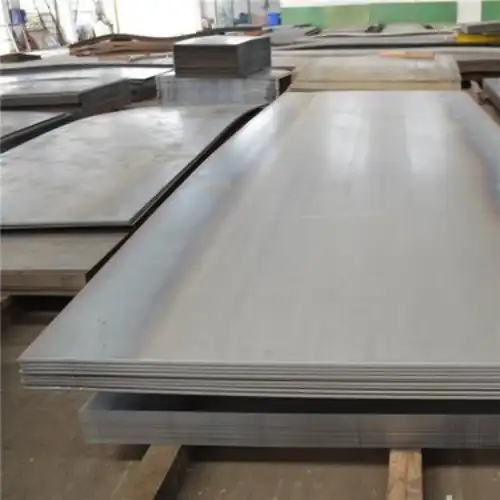
Understanding ASTM B265 Titanium Plate: Specifications and Grades
The ASTM B265 standard spells out the rules for strip, sheet, and plate items made of titanium and titanium alloys that are utilized in numerous mechanical settings. To select materials that will perform well in cruel operational situations and keep their auxiliary astuteness over long periods of time, it is imperative to meet this standard.
Manufacturing Process and Quality Control
ASTM B265 titanium plates are made utilizing strict steps that begin with getting the crude titanium and proceed with softening, hot rolling, cold rolling, warm treatment, and exact wrapping up. Each step in the fabricating process changes the final properties of the fabric, such as the grain structure, surface wrap, and exactness of the estimations. Amid generations, quality control measures ensure beyond any doubt that each plate meets the industry measures and client prerequisites. This implies that execution is the same over all clumps and generation runs.
Common Titanium Grades and Their Properties
The determination incorporates a few grades of titanium, each of which was designed to meet the needs of a specific application. The most common titanium alloy is Ti 6Al-4V, which has great quality and direct erosion security, making it valuable in aviation and common mechanical settings. Ti 6Al-4VELI is incredible for therapeutic inserts since it is less likely to break and is consistent with living things. The cold formability and weldability of Ti-3Al-2.5V are way better than those of Ti6242 (6Al-2Sn-4Zr-2Mo), which is superior at high temperatures and stands up to demanding aviation employments.
Chemical Composition and Mechanical Performance
The chemical cosmetics of titanium plates have a coordinated impact on their mechanical properties and their capacity to prevent erosion. The alloying components alter the properties of ductile quality, ablation quality, prolongation, and resistance to affect. When engineers know these connections, they can select grades that work best in an assortment of working conditions, natural exposures, and mechanical stacking needs.
Key Factors to Consider When Choosing ASTM B265 Titanium Plate
To choose the right material, you need to carefully consider a number of factors that affect both the short- and long-term performance. These things to think about help make sure that the titanium plate picked will meet the needs of the project and provide cost-effective solutions.
Mechanical Properties and Structural Requirements
How the material reacts to mechanical loading in service is based on its tensile strength, yield strength, and elongation properties. In high-stress situations, grades with better strength qualities are needed. On the other hand, ductility and workability may be more important in forming or fabrication situations. In dynamic loading situations, impact resistance is very important, especially in aerospace and defense uses where loads change quickly.
Environmental Conditions and Corrosion Resistance
The operating environment has a big effect on choices about what materials to use. In marine uses, materials must be very resistant to corrosion caused by saltwater, and in chemical processing environments, they must be resistant to certain acids, bases, or organic compounds. Because temperature changes have an effect on both mechanical properties and corrosion behavior, it is important to think about both ambient and operating temperature ranges when making a choice.
Thickness and Dimensional Considerations
Plate width affects not only how strong it is, but also how much it costs and how it needs to be made. Although thicker plates make the structure stronger, they also cost more and are heavier. Thickness ranges usually run from 0.3mm to 4.76mm, so you can make the best choice based on your application needs and performance standards.
Comparing ASTM B265 Titanium Plate with Other Materials and Standards
Knowing how ASTM B265 titanium plates stack up against other materials and standards in the same field assists purchasing managers in making smart choices that balance the need for performance with cost concerns.
ASTM B265 versus ASTM B348 Specifications
ASTM B348 talks about bar and billet goods, while ASTM B265 talks about strip, sheet, and plate forms. The mechanical properties and surface features are different because of the different ways they are made and the different shape factors. Plate materials usually have better surface finish quality and can be shaped more easily, which makes them better for uses that need complex forms or a better surface look.
Metric and Imperial Standard Considerations
For dimensional specifications, ASTM B265M gives metric equivalents. This makes global sourcing and foreign project compliance easier. When working with foreign suppliers or on projects that need metric dimensioning standards, it's important to understand these differences.
Titanium versus Stainless Steel Performance
When you compare titanium plates to stainless steel alternatives, you can see that they work very differently and cost a lot more. Titanium is better at resisting corrosion in chloride settings and has a higher strength-to-weight ratio, which makes it useful for uses where weight is important. But stainless steel usually has lower start-up costs and is easier to find, so cost is an important thing to think about when making the choice.
How to Source and Procure Authentic ASTM B265 Titanium Plates
For buying to go well, suppliers need to be evaluated, and quality must be checked in a planned way. Building relationships with certified suppliers guarantees consistent product quality and dependable delivery for a number of tasks.
Supplier Certification and Quality Assurance
Reliable suppliers have full certification programs that include ISO 9001:2015 quality management systems, certifications specific to the business, and approvals from third parties for inspections. These certifications show that a company is serious about quality control and give customers peace of mind that the goods they sell meet certain standards. Checking certifications from well-known groups like DNV, SGS, TUV, and other foreign inspection agencies is one way to make sure the supplier is trustworthy and the product is real.
Pricing and Procurement Strategies
Procurement methods that work take into account both short-term costs and long-term benefits. Buying in bulk can save you a lot of money, and building long-term ties with suppliers can help you get better prices and faster delivery times. Different suppliers have different minimum order quantities, so it's important to make sure that the amount you buy matches your project's needs and your ability to handle your inventory.
Delivery and Logistics Considerations
Logistics plans and delivery times need to be carefully coordinated in global supply chains. Shipping choices like DHL, FedEx, air freight, and sea freight give you the freedom to choose the best balance between delivery time and cost. Learning about delivery times and lead times can help make sure that supplies get to projects on time.
Trusted Supplier for High-Quality ASTM B265 Titanium Plates
With over 21 years of experience in making titanium metal, LINHUI TITANIUM, which was formed in 2000 and is based in Xi'an, China, has become a major producer and supplier of titanium and titanium alloys. The company has two plants with 30 production lines for titanium metal. They can make 800 tons of titanium metal each year and have strict quality control standards.
Comprehensive Product Portfolio
We offer high-quality ASTM B265 titanium plates, like Ti 6Al-4V, Ti 6Al-4VELI, Ti-3Al-2.5V, and Ti6242 (6Al-2Sn-4Zr-2Mo). These plates are made according to the measures set by ASTM B265/ASME SB265, ASTM F136, ASTM F67, and AMS4911. Thicknesses extend from 0.3mm to 4.76mm, meeting the needs of a wide range of businesses, including aviation, military, marine, chemical, vitality, therapeutic, and high-performance car.
International Certifications and Quality Standards
LINHUI TITANIUM has a part of distinctive certifications, such as the Fabricating Permit of Uncommon Hardware of China, the TUV Nord AD2000-W0 certification, the PED 2014/68/EU certification, and certifications from CCS, ABS, DNV, BV, BSI, LLOYD'S, and GL. Our ISO 9001:2015 QMS Certificate, OHSAS 18001:2007 Certificate, and ISO 14001:2015 Certificate indicate that we are devoted to natural administration frameworks, wellbeing and security at work, and quality administration.
Global Supply Chain Excellence
LINHUI TITANIUM has become one of the greatest makers of titanium items, with clients in more than 60 nations and districts. They have done this by deliberately joining their assets and progressing their supply chain. We have long-term organizations with well-known companies like CEFC, PTT, PDVSA, PETROECUADOR, PPL, KOC, KNPC, PETRO VIETNAM, YPFB, LUKOIL, PDO, PEMEX, UZNEFTGAZ, and PETRONAS, which suggests that we can meet the tall benchmarks of huge energy and mechanical companies around the world.
Conclusion
There are a number of things to consider when picking the right ASTM B265 titanium plate, such as the review, its mechanical properties, the environment, and the capabilities of the vendor. To be effective, you need to know how these things work together to influence execution and cost-effectiveness in certain circumstances. By comparing the specs of a fabric to what the project needs and, as it were, working with certified providers who have solid quality control frameworks, acquisition supervisors can make beyond any doubt that the best materials are chosen for the work and that they will last for a long time and work well in extreme mechanical settings.
FAQ
Q: What industries commonly use ASTM B265 titanium plates?
A: ASTM B265 titanium plates find extensive use in aerospace and defense applications for aircraft components and military equipment, marine and offshore industries for submarine components and shipbuilding, chemical and petrochemical sectors for piping systems and reactors, energy sector applications including oil and gas pipelines, medical equipment manufacturing for surgical tools and diagnostic devices, and high-performance automotive applications, particularly in racing applications.
Q: How does chemical composition affect titanium plate performance?
A: Chemical composition directly influences mechanical properties, corrosion resistance, and temperature performance characteristics. Aluminum content enhances strength and reduces density, while vanadium improves ductility and workability. Tin additions provide solid solution strengthening, while zirconium and molybdenum enhance high-temperature properties and creep resistance, making composition selection critical for specific application requirements.
Q: Are ASTM B265 titanium plates suitable for high-temperature applications?
A: Yes, specific grades like Ti6242 (6Al-2Sn-4Zr-2Mo) are specifically designed for high-temperature applications, maintaining strength and structural stability at elevated temperatures. However, grade selection must consider both operating temperature ranges and mechanical loading conditions to ensure optimal performance and safety in high-temperature service environments.
Partner with LINHUI TITANIUM for Your ASTM B265 Titanium Plate Requirements
Ready to source premium ASTM B265 titanium plates that meet your exact project specifications? LINHUI TITANIUM combines 21 years of manufacturing expertise with comprehensive certification programs and global supply chain capabilities to deliver superior titanium solutions for demanding applications. Our extensive inventory includes Ti 6Al-4V, Ti 6Al-4VELI, Ti-3Al-2.5V, and Ti6242 grades manufactured to the highest quality standards with thickness options from 0.3mm to 4.76mm. As a trusted ASTM B265 titanium plate manufacturer, we offer competitive pricing, flexible delivery options, and technical support to ensure your project's success. Contact us at linhui@lhtitanium.com to discuss your specific requirements and receive personalized quotations for your titanium plate procurement needs.
References
1. American Society for Testing and Materials. "Standard Specification for Titanium and Titanium Alloy Strip, Sheet, and Plate." ASTM B265-20, Annual Book of ASTM Standards, Vol. 02.04.
2. Boyer, Rodney R., Gerhard Welsch, and E.W. Collings. "Materials Properties Handbook: Titanium Alloys." ASM International Materials Park, Ohio, 1994.
3. Leyens, Christoph and Manfred Peters, editors. "Titanium and Titanium Alloys: Fundamentals and Applications." Wiley-VCH Verlag GmbH & Co., Weinheim, 2003.
4. Lutjering, Gerd and James C. Williams. "Titanium: Engineering Materials and Processes." Second Edition, Springer-Verlag Berlin Heidelberg, 2007.
5. Donachie, Matthew J. "Titanium: A Technical Guide." Second Edition, ASM International, Materials Park, Ohio, 2000.
6. Froes, Francis H., editor. "Titanium: Physical Metallurgy, Processing, and Applications." ASM International Handbook Committee, Materials Park, Ohio, 2015.