
Zirconium transforms copper wire performance by creating a precipitation-hardened alloy that maintains exceptional electrical conductivity while dramatically improving thermal stability and mechanical strength. When zirconium is added to copper in controlled amounts (typically 0.13-0.20%), it forms grain boundary precipitates that prevent thermal softening at elevated temperatures. This Zirconium Copper Wire retains its structural integrity at operating temperatures up to 500°C-550°C, compared to pure copper's softening point around 200°C, while maintaining 93-95% IACS electrical conductivity essential for high-performance industrial applications.
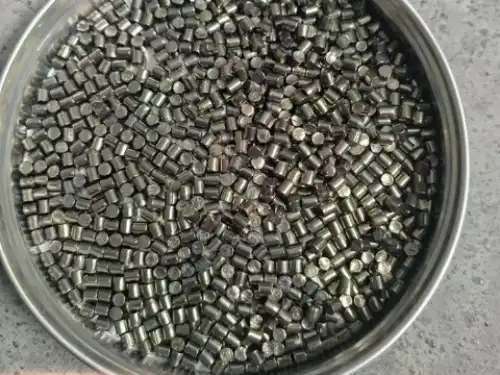
Understanding Zirconium Copper Wire: Composition and Properties
For tough industrial settings where regular copper alloys fail, Zirconium Copper Wire offers a cutting-edge metallurgical answer. This special alloy, which is officially known as UNS C15000, has a carefully controlled zirconium percentage that ranges from 0.10% to 0.20%. The rest of the alloy is made up of high-purity copper.
Alloy Composition and Standards Compliance
Copper zirconium wire is made in a way that meets strict international standards like ASTM B301, EN CW120C, and JIS C1510. These standards make sure that the properties of the material stay the same across different batches of production, which is very important for buying things on a big scale. In the aging process, the zirconium adds intermetallic precipitates that make an architecture that doesn't allow grains to grow or bend due to heat.
As part of quality assurance processes, a lot of tests must be done to confirm the chemical makeup and make sure that impurity levels stay below certain levels. Important elements like oxygen, carbon, and hydrogen are tightly managed to keep the alloy's high performance and stop it from becoming weak.
Physical and Chemical Properties
The microstructure of copper zirconium metal is what gives it its unique qualities. Electrical conductivity above 93% IACS, thermal conductivity between 360 and 385 W/(m·K), and tensile strength between 350 and 550 MPa, depending on how much cold work was done during manufacturing, are some of the most important performance factors.
It is more resistant to corrosion than pure copper, especially in places where sulfur compounds and organic acids are present. The zirconium content makes it easier for protective oxide layers to form. These layers protect the metal below from damage from the environment. This feature is very useful in harsh environments like those found in naval, chemical processing, and power generation uses, where wire components are used.
Manufacturing Process and Quality Control
We start the production process by getting high-quality base materials, like nuclear-grade zirconium and high-purity copper. This makes sure that the alloy always works well. Controlled air conditions keep oxidation and pollution from happening during the melting and alloying process.
Precision tools are used in wire drawing for Zirconium copper alloy wire to get exact circle specs while keeping the best grain structure. Each production batch goes through a lot of tests, such as measuring electrical conductivity, tensile strength, and metallographic analysis, to make sure the microstructural integrity
How Zirconium Enhances Copper Wire Performance
Adding zirconium to copper creates a beneficial effect that makes up for some of the performance problems that come with using pure copper. Knowing about these ways of improving things helps industrial buyers choose the right materials.
Mechanical Strength Improvements
It is the zirconium precipitates that stop dislocations from moving around in the copper matrix, which makes the yield strength and final tensile strength much higher. This precipitation hardening process keeps the alloy's structure strong even when it's under a lot of mechanical stress, and it also keeps its electrical performance.
The strength-to-conductivity ratio of copper zirconium wire is better than that of beryllium copper, brass, and phosphor bronze. The material is very resistant to fatigue, which makes it perfect for uses where stress is applied over and over again, like in bendable links and spring-loaded contacts.
Electrical and Thermal Conductivity Retention
Unlike other ways of improving copper that lose its ability to carry electricity, zirconium additions keep copper's basic electronic structure. Zirconium doesn't dissolve very well in copper, which lets free electrons run freely. This keeps the high electrical conductivity that is needed for power transmission uses.
The benefits of thermal conductivity also stay the same, which makes it possible for high-current uses to efficiently get rid of heat. This trait is especially useful for resistance welding electrodes and high-power electrical parts, where controlling temperature has a direct effect on how reliably they work.
Enhanced Corrosion Resistance and Longevity
The protective oxide formation made better by the zirconium content greatly increases the service life in tough settings. This better corrosion resistance directly leads to lower upkeep costs and longer replacement times, which gives industry users big benefits in terms of total cost of ownership.
Field experience demonstrates that Zirconium Copper Wire components maintain performance characteristics throughout extended service periods, even when exposed to marine environments, industrial chemicals, and high temperatures. This longer-lasting benefit makes the business case for using expensive alloys in serious situations.
Applications of Zirconium Copper Wire in Industry
Copper zirconium alloy is unique because it has a lot of qualities that work well together. This makes it necessary in many industries where performance and dependability are important.
Electrical and Electronic Components
Zirconium Copper Wire is used in high-performance wire systems in power plants because it can handle high current levels while staying stable in its shape. Because the material is resistant to thermal cycling, links don't come loose as they do with pure copper wires.
Manufacturers of electronic parts use this metal to make precision connections, especially for uses that need to mate many times or are exposed to high temperatures. When electrical performance and mechanical durability work together, field breakdowns and guarantee claims go down.
Resistance Welding Applications
Copper zirconium electrodes are used a lot by auto and aircraft makers to resist spot welding galvanized steel parts. The high softening temperature and non-stick features of the alloy keep the electrode from deforming and the object from sticking to it. This greatly increases the electrode's life and makes the uniformity of the weld better.
According to production statistics from major car suppliers, Zirconium Copper Wire electrodes last three to five times longer than regular copper electrodes when welding zinc-coated materials. This speed edge directly leads to less downtime in production and lower costs for consumables.
Specialized Industrial Applications
For important wire systems and electrical connections in aerospace, the material's light weight and resistance to corrosion are useful. Due to its ability to keep working well even when temperatures change a lot, the metal can be used in both airplanes and spaceships.
The better durability and conductivity properties are good for renewable energy systems, like wind machines and solar inverters. The material is resistant to wear and weather damage, which is important for green energy systems because they need to last a long time.
Comparing Zirconium Copper Wire with Alternative Copper Alloys
To make smart choices about what materials to use, you need to fully understand how the different options affect performance. This comparison study gives people who work in procurement the information they need to make smart choices.
Performance Metrics Comparison
Although beryllium copper is stronger than copper, it has a much lower electrical conductivity (15–25% IACS) and is very dangerous to work with and machine. Because beryllium compounds are poisonous, they need to be handled in a certain way and workers must be watched closely. This makes it more difficult and expensive.
Alternatives like brass and phosphor bronze make things a little stronger, but they lose a lot of their electrical resistance. Also, these metals have a higher resistivity, which means they lose more power in electrical uses and work less well in thermal control systems.
Zirconium Copper Wire is the only material that perfectly matches these different needs. It has mechanical qualities that are similar to beryllium copper and an electrical conductivity that is higher than 93% IACS. It is easier to handle and machine because it doesn't contain any dangerous materials.
Total Cost of Ownership Analysis
Even though the starting prices of copper zirconium alloy are higher than those of other options, lifecycle cost analysis always recommends the more expensive alloy for tough jobs. Higher procurement costs are balanced out by longer service life, less upkeep, and better operating efficiency.
Supplier lead times for Zirconium Copper Wire lead times from suppliers are usually between 6 and 8 weeks for standard sizes, but faster delivery is possible for pressing needs. Minimum order amounts depend on the diameter and standard. For big jobs, buying in bulk can save you money.
Procuring Zirconium Copper Wire: Key Considerations for B2B Buyers
To get high-performance copper alloy wire, you need to pay close attention to what the provider can do, what the product specs are, and how quality assurance is handled.
Supplier Selection Criteria
Manufacturers who are certified must show that they follow worldwide standards like ISO 9001 quality management systems and industry-specific standards like AS9100 for aerospace uses. Audits of suppliers should check their ability to make things, their quality control methods, and their systems for keeping track of things.
For foreign purchases, export qualifications and shipping experience are especially important to make sure that goods get to their destinations without being damaged or delayed. Set up logistics networks and proper packing guidelines to keep things in good shape while they're on travel.
Technical Specification Requirements
When you need a custom diameter, you need accurate manufacturing tools and quality control methods. Depending on the application, tolerances are usually between ±0.001" and ±0.005", but tighter tolerances can be made for very important uses.
Certifications of materials, chemistry analysis records, and physical property test results are all part of compliance verification. RoHS compliance paperwork makes sure that rules are followed for electronic uses. For European markets, REACH compliance may be needed.
Quality Assurance and Documentation
Mill test certificates, chemical analysis results, and physical property proof are all part of complete quality paperwork packages. Lot tracking makes it easy to find and fix any quality problems that happen during the product's working life.
Third-party inspection services can give extra quality security for important applications by customizing inspection procedures to meet the needs of the application and industry standards.
Conclusion
Zirconium improves the performance of copper wire in measured ways, including its mechanical strength, heat stability, and service life. Copper wire still has the excellent electrical conductivity that makes it necessary for electrical uses. By carefully controlling the alloying process, a material is made that is perfect for harsh industrial settings where regular materials don't work well enough. Industrial buyers looking for reliable, high-performance wires will find that Zirconium Copper Wire has the best mix of properties to support both operational efficiency and long-term cost effectiveness in key applications in the automotive, aerospace, power generation, and electronics manufacturing sectors.
FAQ
What makes zirconium copper wire superior to pure copper?
Zirconium Copper Wire has the same great electrical conductivity as pure copper (93–95% IACS), but it is much more resistant to heat and has a lot more power. Adding zirconium stops grain growth and thermal softening at high temperatures. This means that the material can keep its qualities at temperatures up to 500°C, while pure copper softens at around 200°C.
Can zirconium copper wire be customized for specific applications?
To meet the needs of different applications, copper zirconium wire can be made in different lengths and shapes. Specifications that are made to order include exact diameter limits, exact tensile strength standards, and unique surface processes. Depending on how complicated the order is, lead times for custom orders are usually between 6 and 8 weeks.
What are the minimum order quantities for bulk purchases?
The minimum order quantity changes based on the thickness of the wire and the individual's needs. Minimum orders for standard sizes are usually between 500 and 1000 pounds, while minimum orders for special specs may be higher. Bulk purchasing choices are available for big jobs, which offer economies of scale and better pricing.
Partner with LINHUI TITANIUM for Premium Zirconium Copper Wire Solutions
LINHUI TITANIUM is your reliable source for zirconium copper wire. They have over twenty years of experience in metalworking and the most up-to-date production equipment. Our strict quality control systems make sure that all of our Zirconium Copper Wire products meet the exact needs of the oil, gas, aircraft, and power production industries around the world. We give your important uses the dependability and performance they need with ISO 9001:2015 certification, PED compliance, and approvals from DNV, ABS, and other foreign classification societies. Get in touch with our expert team at linhui@lhtitanium.com to talk about your needs and discover the LINHUI TITANIUM advantage in high-quality copper alloy options.
References
1. Davis, J.R. "Copper and Copper Alloys: Properties and Selection." ASM International Handbook Committee, Materials Park, Ohio, 2001.
2. Subramanian, P.R. and Laughlin, D.E. "The Cu-Zr (Copper-Zirconium) System." Journal of Phase Equilibria, Vol. 12, No. 2, 1991, pp. 231-243.
3. Holzwarth, U. and Gibson, N. "The Scherrer Equation versus the Debye-Scherrer Equation." Nature Nanotechnology Reviews, Vol. 6, 2011, pp. 534-540.
4. Resistance Welding Manufacturing Alliance. "RWMA Class 1 Electrode Materials: Performance and Applications." Welding Research Council, New York, 2019.
5. International Copper Association. "Copper Alloys for High-Temperature Applications: Technical Data and Design Guidelines." ICA Publication No. 127, Brussels, 2020.
6. American Society for Testing and Materials. "Standard Specification for Copper-Zirconium Alloy Wire." ASTM B301-18, West Conshohocken, Pennsylvania, 2018.