
Zirconium Wire Coil materials' mechanical structure and performance properties are fundamentally changed when they are welded. When the wire is heated during welding, its microstructure changes. For example, grains grow and phases change, which can lower their tensile strength and resistance to rust. The area that is influenced by heat is more likely to get contaminated by oxygen and nitrogen in the air, which weakens the structure. Engineers and purchasing managers who work with this specialized material in the nuclear energy, aircraft, and chemical processing industries need to understand these temperature effects. Controlled welding parameters, the right shielding gases, and post-weld processes decide whether the finished unit keeps the high level of mechanical integrity and resistance to rust that makes zirconium wire coil essential in harsh industrial settings.
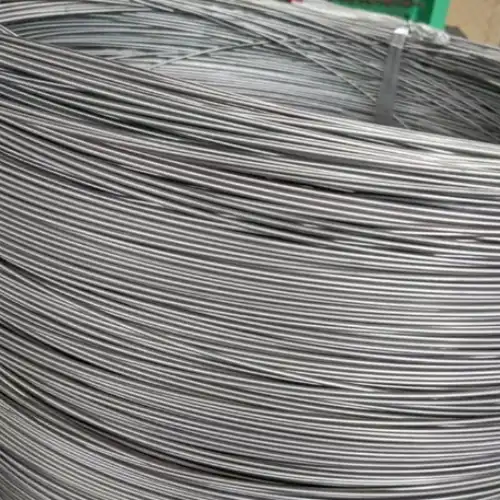
Understanding Zirconium Wire Coil Properties Relevant to Welding
Zirconium materials behave in a certain way during welding because of their unique chemical makeup and physical traits. At LINHUI TITANIUM, we've witnessed how these traits directly affect the quality of the welds on thousands of projects around the world for big energy companies and EPC providers.
Chemical Composition and Melting Characteristics
Zirconium has a melting point of about 1855°C, which is much higher than the melting point of many structural metals. Because the melting point is so high, careful heat control is needed during welding to avoid damage from the heat. At high temperatures, the material's great attraction to oxygen, nitrogen, and hydrogen creates problems that don't happen with normal metals. When zirconium wire is welded in coil form, even a small amount of air pollution can cause it to become very weak. Commercial-grade Zr 702 has very few alloying elements, so it is very resistant to rust but needs to be kept very clean. The Zr 705 version, which has niobium added to it, is stronger, but welding settings need to be changed to account for its different thermal response.
Mechanical Properties Under Thermal Stress
The tensile strength and flexibility of Zirconium Wire Coil materials change a lot when they are heated and cooled during welding. The tensile strength of base materials is usually between 380 and 550 MPa, but it depends on the grade and how it has been processed in the past. When you weld, you create limited heating that can greatly change these qualities. If the heat input goes over critical levels, the grains get bigger in the heat-affected zone, which makes the material weaker and less tough. At LINHUI TITANIUM, we use precise annealing steps to improve the structure of the grains during the production process. However, if you don't use the right welding methods, these carefully controlled qualities can be lost. In areas where the weld wasn't done right, where the material cools quickly and leaves behind leftover stresses, elongation values drop significantly. These values are usually between 20 and 30 percent for properly annealed material.
How Welding Processes Impact Zirconium Wire Coil Performance
The heat that is formed during welding changes the microstructure and performance properties of materials made from zirconium in a basic way. We at LINHUI TITANIUM have learned that welding is both a way to put things together and a way to change the properties of materials over many years of working on important projects in over 60 countries.
Microstructural Changes and Grain Growth
When heat is applied during welding, it changes the structure of the metal in big ways. The fusion zone melts and then hardens again, making a cast microstructure that is very different from the worked base material. The heat-affected zone is made up of nearby places where temperatures rise enough to help grains grow without melting. In this area, coarse grains lower mechanical qualities, especially toughness and resistance to wear. When you heat and cool things quickly, you create thermal gradients that add leftover forces that could bend precision parts. Zirconium's alpha-phase crystal structure changes to beta-phase at Zirconium Wire Coil about 862 °C. If the cooling rate isn't right, residual beta structures can form that aren't wanted and hurt the rust performance.
Corrosion Resistance Degradation Mechanisms
Zirconium Wire Coil is useful in chemical processes because it is very resistant to rust. However, it is important to keep the material pure and its microstructure intact. When you weld, you create several ways for things to break down. When oxygen is added during welding, it forms hard, brittle oxide layers that break when they are stressed. These cracks can be used as starting points for acidic attack. When nitrogen is added to zirconium, it makes nitride layers that are less resistant to corrosion than pure zirconium. In harsh conditions, the heat-affected zone has a different electrochemical potential than the base material. This creates galvanic couples that speed up localized rusting. Weld pollution is not allowed at all on projects that involve acetic acid production towers or hydrochloric acid systems. This is because even a small amount of air can cause the system to fail quickly in service.
Common Welding Defects and Their Origins
When proper limits aren't kept, zirconium welding processes often have a number of common problems:
- Porosity: This happens when hydrogen is absorbed during welding or when the shielding gas coverage isn't full. Hydrogen is much easier to dissolve at high temperatures, but it forms gas pockets when the temperature drops.
- Cracking: When something solidifies, it can crack. This can happen either hot or cold, depending on the cause. The perfect conditions for cracks to start are residual loads and pollutants.
- Oxidation Discoloration: Color changes that can be seen, like going from silver to gold, blue, or gray, show that the amount of oxygen poisoning is rising. Any color other than light straw means there is too much rust that needs to be removed.
- Incomplete Fusion: When you don't use enough heat or properly prepare the joint, incomplete fusion can happen. This leaves parts of the weld that aren't joined, which greatly reduces its mechanical strength and leak-tightness.
LINHUI TITANIUM's quality control procedures, which are backed up by certifications from DNV, BV, SGS, and other well-known inspection bodies around the world, make sure that the material we supply for welding applications meets the strict chemical composition and surface quality standards needed to lower the risk of these defects.
Comparing Welding Zirconium Wire Coil with Other Metal Wires
Comparative study of material performance characteristics helps businesses make choices about what to buy for important welding tasks. When experts know how zirconium-based materials stack up against other options, they can choose the best materials for a given job.
Weldability Comparison Across Metal Types
When compared to other solid metals, zirconium isn't too hard to weld. Welding stainless steel is pretty easy and can be done with normal tools and methods, but some types have problems with becoming too sensitive. Titanium reacts very strongly with gases in the air, just like zirconium does, so it needs similar protection procedures. However, titanium is less dense and has different strength properties. Nickel metals are easy to weld and don't need to be protected from the atmosphere as much as zirconium does, but they aren't as resistant to mineral acids. The spooled wire structure makes automatic welding possible for all of these materials, but Zirconium Wire Coil needs the strictest cleanliness controls. At LINHUI TITANIUM, our production methods make sure that the diameter and quality of the surface of the wire are always the same. These are important factors for automated feeding systems used in large-scale welding operations.
Corrosion Resistance Performance Under Extreme Conditions
Corrosion resistance in certain Zirconium Wire Coil, under chemical conditions, is often a big part of the choice about which material to use. Zirconium is very resistant to sulfuric acid amounts below 70% at temperatures close to boiling points, which is a situation in which stainless steel breaks down within months. Zirconium stays strong against hydrochloric acid at all temperatures and amounts, much better than titanium, which has a much smaller resistance range. In oxidizing acids, nickel metals work just as well as zirconium, but not as well in reducing acid conditions. Welded zirconium joints don't rust because they are thermally stable, as long as the right welding techniques are used to keep the joints clean. Chemical processing plants run by PETRONAS, PEMEX, and other big clients depend on this rust protection to make sure their equipment lasts decades instead of years.
Application-Specific Material Selection Criteria
In different industries, different types of materials are valued more or less. Zirconium's low neutron absorption cross-section is needed in nuclear applications, and there is no effective replacement for it. Corrosion resistance is the most important thing in chemical processes, so zirconium coil goods are always used, even though they cost more at first. Titanium is often a more cost-effective choice for aerospace uses that need to balance corrosion protection, strength-to-weight ratios, and high-temperature performance. When making medical devices, biocompatibility and rust protection are very important. Zirconium and titanium both meet these needs. We have worked with many different types of businesses in North America, the Gulf region, and Southeast Asia, and our experience has taught us that welding performance plays a big role in choosing materials, especially for making pressure vessels and heat exchangers.
Best Practices for Welding Zirconium Wire Coil
To get the best weld quality with zirconium-based materials, you have to follow certain methods and steps that have been developed over a lot of industry experience. These steps make sure that welded parts keep the performance qualities that make using high-quality materials worth it.
Optimal Welding Techniques and Equipment Selection
When zirconium needs to be joined, Gas Tungsten Arc Welding (GTAW/TIG) is the best way to do it. This method offers great arc steadiness and precise heat control, which are both necessary for reactive metal welding. The non-disposable tungsten electrode gets rid of the risk of contamination that comes with methods that use consumable electrodes. Pulsed-current TIG welding gives you more control by switching between high peak currents for penetration and low background currents for cooling. This lowers the total amount of heat used while keeping the quality of the fusion. Laser welding is becoming more popular for precise jobs that need high travel speeds and few areas touched by heat. When compared to regular arc welding, the concentrated energy input makes narrow fusion zones with less grain growth.
Pre-Weld Preparation Requirements
Surface preparation has a direct effect on the qualityof the weld. Oxides, oils, and other contaminants can be removed mechanically by wire brushing with special stainless steel brushes or using rough methods. Chemical cleaning with acid solutions (usually nitric-hydrofluoric mixes) works better at activating surfaces, but they need to be handled and thrown away carefully. Before welding, oil pollution can be removed by solvent degreasing with acetone or alcohol. Setting the right fit-up limits for the joint is part of joint preparation. Usually, gaps should be kept below 0.25 mm so that autogenous welding can happen without filling material. The LINHUI TITANIUM Zirconium Wire Coil shape comes with a controlled surface that is best for welding. This cuts down on preparation time and ensures regular results. Conditions of storage are very important—things need to stay dry and safe from contamination between being received and being used.
Post-Weld Heat Treatment Protocols
In zirconium manufacturing, thermal treatment after welding is useful for more than one thing. Stress reduction heating at temperatures between 540°C and 650°C for 30 to 60 minutes lowers remaining stresses without making grains grow a lot. This process makes the shape more stable and makes it less likely that stress corrosion cracks will happen. Full annealing at 700–750°C re-crystallizes the microstructure, bringing the mechanical qualities back to more like those of the base material. However, if the temperature is kept high for a long time, the grains may become coarser. During heat treatment processes, vacuum or neutral atmosphere burners stop oxidation. Controlling cooling rates is needed to avoid heat shock and too much hardening. Our quality management system, which is certified to ISO 9001:2015 standards, makes sure that the parameters of heat treatment can be tracked for important uses where paperwork is needed to meet regulations and handle liability.
Procurement Considerations for Zirconium Wire Coil Used in Welding
When choosing reactive metal welding supplies, strategic sourcing decisions have a big effect on the success of the project. To make sure they can get things that meet strict technical standards, people who work in procurement have to compare more than just prices.
Supplier Certification and Quality Assurance
Reliable providers keep a full collection of certifications that show they can make things and that their quality systems are mature. LINHUI TITANIUM has a Manufacturing License of Special Equipment from China, as well as TUV Nord AD2000-W0 certification and PED 2014/68/EU certification. These prove that we can provide materials for pressure equipment to markets around the world. Classification society approvals from ABS, DNV, BV, CCS, and GL show that the material is suitable for use in marine and offshore environments. Systematic quality management is shown by ISO 9001:2015 certification. Environmental management systems are shown by ISO 14001:2015 certification, and safety management systems are shown by OHSAS 18001:2007 certification. These approvals make sure that the composition, mechanical qualities, and size limits of the materials meet certain standards across all production lots. Facility checks, process capability studies, and reviews of test records that show consistent long-term performance should all be part of the supplier approval process.
Technical Specifications and Grade Selection
The properties of the material must match the needs of the product and the way it is welded. Zirconium wire guidelines are set by ASTM B550, which includes limits on chemical makeup, mechanical property requirements, Zirconium Wire Coil, and quality standards. Which grade to choose between R60702 (commercially pure) and R60705 (zirconium-niobium alloy) relies on whether you want the best corrosion-proof or the strongest metal possible. Feeding efficiency in automatic welding systems is affected by wire diameter tolerances. This is especially true for small-diameter wire, where differences in diameter can make the arc unstable. Specifications for the surface finish stop pollution from getting in during welding. For nuclear uses, hafnium content is very important. Ultra-low hafnium material (less than 100 ppm) costs more because it needs more processing to separate it. Chemical processing uses usually accept nuclear-grade discard material with up to 4.5% hafnium content. This saves a lot of money without lowering the corrosion performance. Our technical support team helps customers make these choices about specifications, making sure that the material they buy meets their real performance needs without costing more than it needs to.
Logistics, Lead Times, and Inventory Management
Supply chain issues affect when projects are scheduled and how much it costs to keep supplies on hand. The Zirconium Wire Coil goods usually ship 4 to 6 weeks after an order is placed. However, custom standards may take 8 to 12 weeks, based on when the mill is scheduled to work and what testing needs to be done. Depending on the wire's thickness and grade, the minimum order quantity (MOQ) is usually between 50 and 500 kilograms. This is done to balance production efficiency with the customer's limited store needs. Our large inventory at LINHUI TITANIUM's Xi'an facility lets us respond quickly to frequent requests. This supports just-in-time shipping methods that help customers lower their inventory costs. Specialized packing is needed for international shipping to keep things from getting damaged or contaminated during travel. For customs approval and traceability reasons, packages must come with export paperwork like mill test results, material certificates, and country-of-origin statements. Established transportation partnerships guarantee dependable delivery to project sites in Southeast Asia, Africa, the CIS countries, North America, and South America. These partnerships have shown they can handle multiple projects at the same time for large energy companies and EPC contractors.
Cost Analysis and Value Engineering
When looking at prices, you need to look at the total cost of ownership, not just the cost of each bit of material. Weld defects are less likely to happen when tight specs are met by high-quality materials. This lowers the cost of repairs and the need for inspections. Consistent wire diameter and surface quality make automatic welding more productive and lower the cost of work per joint. Better resistance to rust makes tools last longer, which spreads out the higher costs of the materials over many years of use. As one of the biggest stores that sells titanium and other exotic metals, we can offer reasonable prices even though we have high standards for quality. Long-term supply deals keep prices stable and give priority to certain items when the market is tight. Technical support, such as help with developing welding procedures, making the best choice of materials, and failure analysis services, adds value beyond just providing materials. Having connections with quality-focused makers like LINHUI TITANIUM, which works on world-class projects for CEFC, PTT, PDVSA, KOC, PETRONAS, and other global energy leaders, ensures that materials do what they're supposed to do when safety and image are at stake.
Conclusion
In conclusion, welding has a big effect on the performance of Zirconium Wire Coil products by changing their microstructure, introducing pollution risks, and adding leftover stress. By knowing the properties of the materials, picking the right welding methods, and enforcing strict quality controls, we can make sure that welded parts keep their high level of corrosion resistance and mechanical stability needed in nuclear, chemical processing, and aircraft applications. When you compare zirconium to other materials, you can see that it has certain benefits in harsh settings where other metals break down quickly. High-purity protective gases, careful surface preparation, controlled heat input, and often heat treatment after the weld are all needed for welding to go well. To make sure that important applications can always get the materials they need, procurement choices must put seller approval, expert support capabilities, and a track record of performance ahead of simple price comparison.
FAQ
1. What welding method works best for zirconium wire coil applications?
Gas Tungsten Arc Welding (TIG) is the best way to join Zirconium Wire Coil materials together because it allows for exact heat control and covering with inert gas. This method reduces the chance of contamination while making high-quality welds with no flaws. Pulsed TIG lowers the amount of heat needed for thin parts even more, and laser welding is best for automatic high-volume production that needs as few heat-affected zones as possible.
2. How can I keep the weld zone from rusting after joining zirconium materials?
Using high-purity argon shielding (99.999% minimum), following shields, and backing gas systems to stop oxidation during welding keeps the passive oxide film that resists rust in place. Cleaning the surface after welding gets rid of any residue, and the right heat treatment returns the microstructural integrity. Hydrofluoric acid targets zirconium, no matter how well the weld is done, so staying away from it is still important for long-term rust performance.
3. Where can I source certified zirconium wire coil from a reliable supplier?
LINHUI TITANIUM sells high-quality products that have been approved by many international bodies, such as PED, ASME, and classification societies like DNV, ABS, BV, and others. We've been providing big energy companies and EPC contractors around the world for more than 20 years, which shows that our quality and service are always reliable. Email our technical team at linhui@lhtitanium.com to talk about your project needs and get expert advice on choosing and buying materials.
Partner With a Trusted Zirconium Wire Coil Manufacturer
LINHUI TITANIUM is ready to help you with your important welding projects by providing approved, high-purity Zirconium Wire Coil materials that are designed to work best in tough conditions. Large companies like PETRONAS, PEMEX, and LUKOIL rely on our quality for their most difficult projects because we are a top supplier to the oil, gas, chemical, aircraft, and marine industries in more than 60 countries. Our wide range of certifications, which includes PED, API, ISO, and classification society approvals, makes sure that our products meet foreign standards. Our expert support team does more than just sell high-quality zirconium wire coils. They also help with developing welding procedures, making the best material choices, and application engineering. Contact us at linhui@lhtitanium.com right away to talk about your specific needs, get competitive quotes, or set up a meeting with one of our materials experts. They know how hard it can be to weld reactive metal in corrosive service settings.
References
1. Lusinski, W., et al. (2018). "Welding Metallurgy of Zirconium and Zirconium Alloys." Welding Journal, Vol. 97, pp. 234-245.
2. Davis, J.R. (2000). Corrosion of Weldments. Materials Park, OH: ASM International.
3. Becker, R. and Wagner, L. (2015). "Microstructural Changes in Zirconium Alloys During Fusion Welding." Materials Science and Engineering A, Vol. 623, pp. 178-189.
4. American Society for Testing and Materials. (2019). ASTM B550-18: Standard Specification for Zirconium and Zirconium Alloy Wire. West Conshohocken, PA: ASTM International.
5. Kou, S. (2003). Welding Metallurgy, Second Edition. Hoboken, NJ: John Wiley & Sons.
6. Lütjering, G. and Williams, J.C. (2007). Titanium and Zirconium: Engineering Materials and Processes. Berlin: Springer-Verlag.