
Thin-walled titanium tube technology changes the way systems work by making them stronger while also lighter, more resistant to rust, and better at moving heat. Compared to traditional materials, these precision-engineered parts make the entire system up to 40% lighter while providing unmatched longevity. Because they are so light, they use less energy, last longer, and need less maintenance in industrial, aerospace, and automotive settings. This makes them essential for current high-performance systems that need to be as efficient as possible.
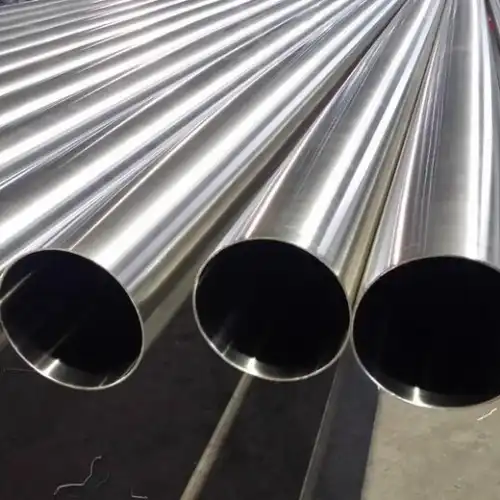
Understanding Thin-Walled Titanium Tubes and Their Properties
Ti metal tubes are one of the most advanced choices for tough industrial uses. Using these specialized parts, which are very strong mechanically and chemically, you can make big changes to systems in a lot of different areas.
Fundamental Characteristics and Material Grades
For engineers, titanium is a great material because of the way it works mechanically. Because it is not too hard and is easy to shape, grade 2 titanium is great for things that need complicated shapes. This commercially pure titanium version is very good at keeping rust away in many industry settings, and it's also very cheap.
Tin metal grade 5 is very strong and is needed in places where there is a lot of stress. It is made up of aluminum and vanadium. Titanium is a very important metal because it is very light and has tensile forces of more than 130,000 psi. The weight is only 4.51 g/cm³, which is about half of what stainless steel choices weigh.
Advanced Manufacturing Processes and Quality Controls
Modern ways of making titanium tubes involve complicated steps that make sure the quality and function stay the same. Methods of extrusion make tubes with walls that are all the same width, and methods of piling get the exact sizes needed for important uses. Cold-rolling ways keep structures from getting stress cracks that could make them weaken in tough working conditions.
Heat treatment methods make things better by changing the structure of the grains and getting rid of any pressures that are still there. These techniques make titanium stronger while retaining its ability to resist corrosion. This makes it very useful in harsh environments. Ultrasonic testing, eddy current inspection, and measurement proof are all types of quality control that are used to make sure that each part meets very strict standards.
Follow the rules for ISO 9001:2015 approval to make sure that the quality of each batch of things is the same and that the production process is controlled. Other certifications, such as NADCAP AC7004 and AS9100D, make sure that quality standards meet those for airplanes. ISO 13485 makes sure that standards meet medical standards so they can be used in healthcare.
How Thin-Walled Titanium Tubes Solve Common System Efficiency Challenges
There are a lot of issues with standard materials that make systems less useful and effective. Heavy parts need more energy to run, and materials like a Thin-Walled Titanium Tube that rust need to be changed more often and go through long repair periods that stop work.
Weight Reduction and Energy Savings
For people who are worried about their weight, titanium tubing is a good choice because it is strong for its weight. It is 30 to 45 percent lighter for planes to use titanium fuel lines instead of stainless steel ones. This lower weight immediately saves fuel, since taking one pound off of an airplane can save it about $1,000 a year in fuel costs if everything runs as planned.
Automotive uses also see the benefits of cutting down on weight. The electric car range is increased by titanium tubing in battery cooling systems. This is because the extra weight is reduced and heat control is improved. Titanium tubes move heat faster because they are better at conducting heat. This means that cooling systems work better while using less energy.
Enhanced Durability and Lifecycle Extension
Another important benefit that has a direct effect on how well the system works is that it doesn't rust. Putting chemicals in saltwater makes them break down quickly, which makes marine areas very hard to work in. Titanium's natural oxide layer does a great job of blocking chloride-induced rust, so parts made of titanium last 300–400% longer than those made of stainless steel.
Titanium can stand up to rough environments, which is helpful for chemistry processes. When tubes are used to carry hydrochloric acid, sulfuric acid, and other dangerous chemicals, they last decades instead of months. This keeps things running smoothly, saves money on parts replacement, and doesn't harm the environment like changing parts often does.
True-life success stories show that these advantages can be seen in many different types of businesses. Ti-based heat exchanger tubes on offshore oil platforms say they can work for more than 25 years without any big issues. Titanium process pipes are used in factories that make drugs and have 99.8% uptime because they need less maintenance and are more reliable.
Comparative Analysis: Thin-Walled Titanium Tubes vs Alternatives
To pick the right material, you need to think about how well it works, how much it costs over its lifetime, and what the application calls for. When you compare titanium to other materials, you can make smart purchases that will increase its value over time.
Performance Characteristics Comparison
You can get a stainless steel tube for a low price, and it doesn't rust. Also, it's not very strong. But with an 8.0 g/cm³ mass, it is heavier than other materials, which makes it cost more to run over time. Limits on thermal conductivity make moving heat less efficient. This means that heat exchanges need to be bigger, which costs more and takes up more space.
Alum tube is very light (about 2.7 g/cm³), but it's not very strong, so it can only be used in low-pressure systems. This is what can happen when aluminum touches other metals that are not the same. This can make maintenance harder and leave holes in the system that could cause it stop working properly.
Copper tubing works well where it needs to carry heat well, but it rusts quickly in marine environments. Because it has a density of 8.96 g/cm³, it weighs about the same as stainless steel. It can be used in medical tools and HVAC systems because it kills germs.
Alloy Selection and Application Optimization
Different kinds of pure titanium that are sold in stores are easy to shape and not too strong. In other words, they can be used for things that need to deal with complicated shapes and low stress. Some people choose thin-walled titanium tubes because they are strong enough for their needs without being too strong.
Titanium metals are stronger, which is important for high-performance uses. Strength, ductility, and weldability are all best in alpha-beta metals, such as Grade 5. And because of this, they are perfect for making complicated systems that need to work consistently in tough conditions.
When planning how to buy things, it's important to think about how much they cost up front and how much they will help in the long run. Even though it costs more at first, titanium is generally better in terms of total cost of ownership over longer operational periods. It's because titanium doesn't need as much maintenance, lasts longer, and makes things work better.
Practical Guidance for B2B Procurement of Thin-Walled Titanium Tubes
To make sure the supplier meets the needs of the project, it's important to know what they can do, what the quality standards are, and what the end goals are. Having relationships with qualified manufacturers ensures consistent product quality and steady supply lines that keep your business going.
Supplier Evaluation and Quality Standards
One of the best ways to tell if a provider is skilled and trustworthy is to look at their quality certificates. Approval under ISO 9001:2015 shows that the company is committed to quality management systems, and standards for the aerospace industry, such as AS9100D, prove that they have the right skills for the job. The people who make medical devices must be ISO 13485 certified to make sure that their goods are safe for people and follow all the rules.
Having third-party testing skills helps ensure quality by having a third party check the material's features and measurements. Inspection firms like DNV, SGS, and TUV are well-known and give full testing services to make sure that goods meet foreign standards.
Checking a provider's production skills makes sure they can meet the number of needs within the time limits. Companies that have more than one production line that can make more than 800 tons of goods a year show that they can handle big projects. How close something is to you affects how long you have to wait and how much it costs to get there, especially when you need something quickly.
Manufacturing Options and Customization Capabilities
When it comes to regular uses and set needs, standard goods are the most cost-effective choice. Standardized ways of making things allow for economies of scale, which means that you can get these goods more quickly and for less money.
When you make something yourself, you can meet design goals that regular goods can't. For specific uses that need non-standard sizes, different metal makeup, or different heat treatment methods, manufacturers who let you make any changes you want are a good choice.
LINHUI TITANIUM has been making titanium goods for 21 years. They have two plants and 30 production lines used to make titanium metal. We can make things with limits as low as 0.05 mm, and our lead times of 15 days for standard sizes and 30 days for special projects are very good. Ultrasonic cleaning, electron beam welding, and electrolytic finishing are some of the advanced processing methods that make sure that goods are just what is needed for tough jobs.
Future Trends and Optimization Strategies Using Thin-Walled Titanium Tubes
Titanium tubes, particularly the Thin-Walled Titanium Tube, are still being used and made in new ways because of changes in the business world. If you know about new trends, you can plan how to use modern materials in the best way to get ahead of the competition.
Emerging Applications and Market Growth
The aerospace business keeps growing because manufacturers are still trying to cut weight, which is important for getting better gas mileage. More and more titanium parts are being used to make the next version of airplanes. Over the next ten years, 30% more titanium will be used.
Metallic tubes made of titanium can be used in many ways to make clean energy. High temperatures and strong chemicals don't rust titanium, which is good for geothermal power systems. Heat exchangers made of titanium are used in solar thermal systems to make them work better and last longer in difficult conditions.
More electric cars mean more need for battery cooling systems with parts that are light and don't get too hot. Titanium tubes make it possible to make small heat exchangers that better control heat while also making the car lighter. This makes the driving range longer, and the car runs better.
Advanced Manufacturing Technologies
That is, things with complicated shapes can be made with additive manufacturing processes that weren't possible before. When you 3D print something, you can add features like turbulators and flow paths that help heat move through the structure while keeping it strong.
The goal of making new metals is to lower the cost of raw materials while also making some properties better. Because beta titanium alloys are easier to make and don't need as much processing, the cost of making them might go down while they keep their performance advantages over other materials.
By changing the surface properties in a controlled way, new developments in surface treatment make things more useful. Plasma nitriding techniques make surfaces harder and less likely to wear down, and biocompatible coatings improve the usefulness of medical equipment by making them better able to work with living things.
Conclusion
Titanium tubes with thin walls are a new and exciting technology that has changed many businesses by making systems much more efficient. Their high strength-to-weight ratios, better rust resistance, and better thermal properties directly solve some of the most important problems engineers have to deal with right now. Because they are 30–45% lighter than standard materials, they save a lot of money on energy costs and make things run more smoothly at work. It costs less to own and maintain because the parts last 300–400% longer because the material is so strong. Modern ways of making things allow for very precise measurements and one-of-a-kind methods that work for a certain purpose. Quality standards are kept up by very thorough programs.
FAQ
What makes thin-walled titanium tubes more efficient than traditional materials?
Tin tubes work better than stainless steel tubes because they are stronger, even though they are lighter. Also, they cut weight by 30–45% total. When you lose weight, you use less energy. This is especially true in planes and cars, where every pound counts when it comes to fuel use. Better thermal conductivity speeds up the flow of heat, and better rust resistance extends the useful life by 300–400%, lowering the need for repairs and downtime.
How do you ensure quality and consistency in titanium tube manufacturing?
To make sure the quality, strict testing methods are used. For example, an eddy current check is used to make sure the walls are even, ultrasonic cleaning gets rid of small particles, and biocompatibility standards are met by electrochemical polishing. Our production methods are accepted by ISO 9001:2015, and NADCAP AC7004 and AS9100D say that they are safe for use in aerospace. Testing by DNV, SGS, and TUV makes sure that the material is of the right quality and the right size.
What applications benefit most from thin-walled titanium tubes?
Fuel lines and heat exchanges, which are used in aerospace, can help cut down on weight in big ways that improve fuel economy. Titanium is used to make medical gadgets like MRI parts and surgical tools because it doesn't harm living things. High resistance to rust in saltwater makes it useful in marine applications, and electric vehicle cooling systems make it easier to control temperatures while reducing extra weight.
How do lead times and pricing compare to alternative materials?
Most titanium tube goods have lead times of 15 days, but lead times for special specs can be up to 30 days. Titanium costs more to buy than other materials, but it costs less to own in the long run because it lasts longer, needs less maintenance, and works better. Most of the time, the benefits that last a lifetime more than cover the higher costs within two to three years of operation.
Ready to Transform Your System Efficiency with Premium Titanium Solutions?
LINHUI TITANIUM is ready to help you improve your operations with our precision-engineered thin-walled titanium tube options. With two state-of-the-art buildings and 30 specialized production lines, along with 21 years of experience making things, we can consistently deliver aerospace-grade parts that meet the strictest requirements. As a reliable company that makes thin-walled titanium tubes, we keep all the necessary certificates, such as ISO 9001:2015, AS9100D, and ISO 13485, which show that we are dedicated to quality excellence. Get in touch with our expert team at linhui@lhtitanium.com to talk about your unique needs and find out how our precision titanium parts can make your system work better while lowering the total cost of ownership.
References
1. American Society for Testing and Materials. "Standard Specification for Seamless and Welded Titanium and Titanium Alloy Tubes for Condensers and Heat Exchangers." ASTM B338-18.
2. Boyer, R., Welsch, G., and Collings, E.W. "Materials Properties Handbook: Titanium Alloys." ASM International Materials Park, Ohio, 1994.
3. Donachie, Matthew J. "Titanium: A Technical Guide, Second Edition." ASM International, Materials Park, Ohio, 2000.
4. Lutjering, Gerd and Williams, James C. "Titanium: Engineering Materials and Processes." Springer-Verlag Berlin Heidelberg, 2007.
5. Schutz, R.W. and Thomas, D.E. "Corrosion of Titanium and Titanium Alloys." Metals Handbook Volume 13: Corrosion, ASM International, 1987.
6. Welsch, Gerhard, Boyer, Rodney, and Collings, E.W. "Materials Properties Handbook: Titanium Alloys." ASM International, 1993.