
A trustworthy Zr702 supplier makes sure that the material is pure and can be tracked by using thorough quality control systems that include strict testing methods, advanced analytical techniques, and thorough documentation processes. These sellers use several steps to make sure the products are real, such as spectrometric analysis, chemical composition tests, and third-party certifications from well-known organisations like SGS and BV. Complete traceability means keeping careful records from the time the raw materials are sourced until the finished product is delivered. These records should include the numbers of the melting furnaces, methods for identifying batches, and close tracking of the production process to make sure it meets nuclear-grade purity standards.
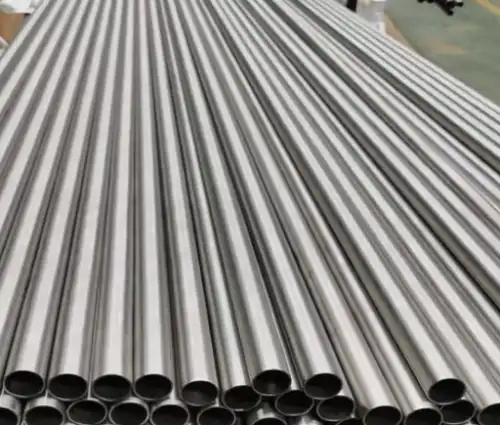
Understanding Material Purity Challenges in Zr702 Supply
One of the most important things that determines the performance and dependability of Zr702 zirconium metal in tough industrial settings is how pure the material is. In zirconium alloys, purity is more than just the chemical make-up; it also means carefully controlling trace elements that can have a big effect on the material's ability to fight corrosion and its mechanical qualities.
Critical Impurities and Their Impact on Performance
It is very hard to keep Zr702 up to quality standards because of certain flaws. Hafnium is found naturally with zirconium. Its amount needs to be carefully controlled because too much of it can change neutron absorption qualities that are important for nuclear uses. Oxygen and nitrogen pollution during processing can weaken the material and make it less flexible. Hydrogen content above 0.003% increases the risk of hydrogen embrittlement, which can be very dangerous in high-stress situations and lead to catastrophic failure.
Manufacturing and Processing Variability
Changes in the quality of the raw materials are one of the main problems that come up when making zirconium alloys. Changes in the types of minerals used and how they are processed at mining sites can cause pollution amounts to be all over the place, affecting the whole supply chain. Inconsistencies in the manufacturing process, especially during the melting and polishing stages, can lead to segregation patterns that make some areas more contaminated than others. The factors used for heat treatment have a big effect on the end purity profile of Zr702 materials. When melting, not enough pressure can let in airborne contaminants, and when cooling too quickly, it can help impurities settle to the bottom. To keep the quality of the materials consistent across production batches, these process factors need complex tracking and control systems.
Traceability: The Backbone of Quality Assurance for Zr702
Traceability systems are the basis of current quality assurance processes for zirconium alloy procurement. They make it possible to see the whole history of a material, from when it was mined to when it was delivered. Comprehensive traceability includes keeping careful records of each step of the working process. This makes a record that can be checked and helps with legal compliance and quick action to quality problems.
Core Components of Effective Traceability Systems
Identifying materials by their batch and lot numbers is the main way to track where they came from in the supply chain. Modern providers use unique codes to connect each piece of material to its own melting charge, heat treatment processes, and quality test results. This granular tracking feature makes it possible to precisely connect processing factors to the end qualities of the material. Manufacturing documentation needed for manufacturing includes thorough records of where the raw materials come from, how they are processed, measures for quality control, the Zr702 supplier, and data for tracking the environment. Digital record-keeping platforms have changed the way traceability management is done by letting users view full material records in real time and using advanced data analytics to find trends and make processes more efficient.
Benefits for B2B Procurement Operations
Strong monitoring systems give procurement workers faith in the quality of materials by making sure that everyone in the supply chain is responsible for what they do. When quality problems happen, full traceability records make it easy to find the batches that are affected and take specific steps to fix them. This feature keeps operations running as smoothly as possible and lowers the risk of using low-quality materials in important projects. Another big benefit of complete tracking systems is that they make audits easier. Regulatory checks and customer audits can go more smoothly if suppliers keep thorough records that are easy to find and show they are following quality standards and specs. Long-term supply relationships based on trust and openness are strengthened by being able to provide full material source information.
How Top Zr702 Suppliers Ensure Material Purity and Traceability
Leading zirconium alloy makers use complex quality assurance systems that include cutting-edge testing methods and strict process controls to make sure the purity of the materials and full tracking. These sellers know that keeping up with the standards for nuclear-grade purity means investing in testing tools and quality control systems all the time.
Advanced Testing and Analytical Protocols
Spectrometric research is the most important part of modern tools that check for purity. Suppliers use mass spectrometry and inductively coupled plasma optical emission spectroscopy (ICP-OES) to find crucial impurities with measurement limits in the parts-per-million range. X-ray fluorescence spectroscopy lets you quickly screen for different compounds, which lets you handle the manufacturing process in real time. Chemical analysis methods include more than just checking the makeup. They also check for hydrogen content, oxygen levels, and small amounts of metal impurities. Glow discharge mass spectrometry can find very small amounts of impurities, which is important for nuclear-grade uses. With these analysis tools, you can be sure that you're following strict standards for zirconium metal quality, like ASTM B550.
Manufacturing Controls and Quality Management
Strict rules over the production process start with choosing the raw materials and go through all stages of processing. With vacuum arc remelting technology, airborne contaminants are removed during melting, and controlled atmosphere heat treatment stops oxidation and keeps the material pure. Temperature tracking and atmosphere control tools give input in real time to keep processing conditions at their best. Based on ISO 9001 standards, quality management systems make sure that quality methods are followed consistently in all manufacturing processes. Statistical process control methods help find changes in the process Zr702 supplier that could affect the quality of the material early on. Calibration of analytical tools on a regular basis and involvement in programs that let labs compare results help keep measurements accurate and reliable.
Third-Party Validation and Continuous Improvement
Audits by a third party that is not affiliated with the provider provide objective confirmation of their quality systems and manufacturing skills. Organisations that give certificates, like DNV, ABS, and Lloyd's Register, do thorough checks that confirm the effectiveness of quality management and process controls. These certifications show that the provider is dedicated to meeting world quality standards. Customer comments and internal performance measures are used in continuous improvement programs to keep making purity control and traceability systems better. Advanced sellers spend money on new technologies like blockchain-based tracking platforms and quality prediction models powered by artificial intelligence to stay ahead of the competition when it comes to making sure the quality of materials.
Comparing Zr702 Suppliers: Quality, Certifications, and Reliability
To find the right zirconium alloy supplier, you need to carefully look at several things that affect the quality of the materials, how quickly they deliver them, and the success of the partnership in the long run. To make smart buying choices, procurement workers need to look at a supplier's technical, commercial, and operational skills.
Critical Evaluation Criteria for Supplier Selection
Certification files are a great way to find out about a supplier's quality management skills and compliance with regulations. The PED 2014/68/EU certification shows that the product meets European standards for pressure equipment, and the ASME certification shows that the product can be made for use in nuclear power plants and pressure vessels. Approvals from classification societies like DNV, ABS, and CCS show that the product is suitable for use at sea and abroad. Quality control processes show how thorough and advanced a supplier's testing skills are. More confidence in the performance of materials comes from suppliers who offer full testing services, such as checking mechanical properties, tests for rust resistance, and microstructural analysis. Accelerated testing programs make it possible for materials to be quickly qualified for certain uses.
Commercial and Operational Considerations
Lead time performance has a direct effect on project plans and methods for managing inventory. Strategically located suppliers with a lot of stock can give faster shipping times for standard specifications, and suppliers who can make changes to their products quickly can meet urgent custom needs. Ordering minimum numbers makes it harder to be flexible with purchases, especially for smaller amounts or prototype development projects.
Comparative Analysis of Leading Suppliers
LinHui Titanium is a great example of a high-quality Zr702 supplier because it has a wide range of certifications, such as PED, ASME, and approvals from multiple classification societies. The company's "Titanium Products Supermarket" idea gives buyers a lot of options by having a large selection of products and the ability to quickly make changes to those products. With more than 20 years of experience working with big energy companies and EPC providers, LINHUI has shown that it can be trusted in tough situations. Alternative providers might have lower prices or unique skills, but they often don't have all the certifications and global supply chain systems that are needed for big industrial projects. Cost and potential must be carefully weighed against each other based on the needs of the application and the amount of risk that is acceptable.
Practical Guidance for Procurement Managers on Selecting a Reliable Zr702 Supplier
Implementing systematic methods to source review and material checking can make sourcing much more successful for procurement pros. These tactics help make sure that you get high-quality products that meet the project's specifications and help it run smoothly.
Material Verification and Documentation Review
To understand a Certificate of Analysis, you need to know about the test methods and design limits that are important to the application. COAs should have full information on the materials' makeup, their engineering properties, and their compliance with all relevant standards. Making sure that the test method follows the rules set by ASTM B550 makes sure that measurements are accurate and can be repeated. Sample testing tools let you directly check the qualities of an item before buying a lot of it. An independent study of representative samples should be done to confirm test results from the seller and make sure the material is suitable. Organisations like SGS and Bureau Veritas give third-party testing services that can objectively check the quality of materials and manufacturing processes.
Essential Supplier Qualification Inquiries
When talking about testing methods, you should talk about how to analyse data, how to calibrate tools, the Zr702 supplier and how to ensure quality. Suppliers should show that they know how to use advanced methods like glow discharge mass spectrometry to find small amounts of impurities and vacuum fusion methods to find hydrogen. Analytical expertise is shown by proof of measurement error and traceability to international standards. Assessments of manufacturing practices should look at quality management methods, process controls, and environmental tracking systems. Suppliers should show their ability to keep material quality uniform with control point data and thorough process flow diagrams. Commitment to long-term quality excellence can be seen in programs for ongoing growth and investments in new technology.
Building Strategic Supplier Partnerships
To build long-lasting relationships, it's important to be clear about quality goals, performance standards, and how both parties can benefit. Supplier performance reviews should be done on a regular basis and should cover quality measures, service performance, and ways to make the process better. Partnerships can get stronger through joint development projects for new uses or standards, which can also make technology better.
Conclusion
Material purity and transparency are important conditions for getting Zr702 that works well in tough industrial settings. Leading providers show what they can do by using thorough testing routines, advanced analytical methods, and complex quality control systems that make sure materials always work well. Strong tracking systems give procurement pros faith in the quality of materials and make it easier to meet legal and audit requirements. A systematic review of suppliers that takes into account certifications, quality controls, and practical skills lets you make smart purchasing choices that help projects succeed and build long-lasting partnerships.
FAQ
1. What is the difference between zirconium 702 and zirconium 705?
Zirconium 702 (R60702) is commercially pure zirconium that has a content of at least 99.2% zirconium. It has great rust resistance, which makes it perfect for use in chemical processing and nuclear power. Zirconium 705 (R60705) has 2.5% niobium added to it as an alloy. This makes it stronger in tension and yield, but it's not as resistant to acid as pure zirconium. For uses that need the best corrosion protection in hydrochloric acid or sulfuric acid conditions, zirconium 702 is the best choice. Zirconium 705 is better at holding weight when structural parts like valves or bolts need higher mechanical strength.
2. What is the minimum order quantity for Zr702 materials?
With a minimum order number of 1 kilogram for zirconium alloy 702, LINHUI TITANIUM can meet a wide range of purchasing needs. This means that our materials can be used for research and development projects or sample evaluation programs. For regular production orders of 50 kilograms or more, prices are lowered to represent the savings of scale that happen in manufacturing. This method is flexible enough to allow both the creation of prototypes and the purchase of large amounts of goods by factories, while still keeping prices low for all order sizes.
3. How do suppliers ensure ASTM B550 standard compliance?
Compliance with the ASTM B550 standard is proven by complete documentation packages that include original factory warranties that list the melting furnace number, third-party test reports from reputable labs like SGS or Bureau Veritas that let you change the test parameters, and the option of an on-site inspection or a live video broadcast during the testing process. These methods of verification make the material's history and quality control processes completely clear, and they also let customers set their own testing standards that meet the particular needs of their applications.
Partner with LINHUI TITANIUM for Premium Zr702 Materials
LINHUI TITANIUM is a reliable Zr702 supplier and producer that has more than 20 years of experience in metalworking and quality control that goes above and beyond what is expected in the business. The hydrogen level in our nuclear-grade purity materials is less than 0.003%, which means there are no risks of weakening, and the materials have better corrosion protection than titanium alloys in harsh chemical environments. We give your projects the openness and accountability they need by providing full traceability paperwork, such as melting furnace numbers and third-party SGS/BV test results. Email our expert team at linhui@lhtitanium.com to talk about your unique needs and find out why energy leaders around the world trust LINHUI TITANIUM for important zirconium alloy uses.
References
1. American Society for Testing and Materials. "Standard Specification for Zirconium and Zirconium Alloy Ingots for Nuclear Application." ASTM International Standards, 2021.
2. International Atomic Energy Agency. "Zirconium Alloys in Nuclear Technology: Material Properties and Quality Assurance Guidelines." IAEA Technical Reports Series, 2020.
3. Nuclear Regulatory Commission. "Material Traceability Requirements for Nuclear Grade Zirconium Alloys." NRC Regulatory Guide 1.99, 2019.
4. European Committee for Standardisation. "Pressure Equipment Directive: Material Requirements for Zirconium Alloys in Chemical Processing Applications." CEN Standards Publication, 2021.
5. Society for Mining, Metallurgy and Exploration. "Zirconium Production and Purification: Modern Industrial Practices and Quality Control Methods." SME Technical Publication, 2020.
6. International Organisation for Standardisation. "Quality Management Systems for Speciality Metal Suppliers: Implementation Guidelines for Zirconium Alloy Manufacturers." ISO Technical Specification, 2021.