
Selecting the right grade of Zirconium Seamless Tubes requires careful evaluation of your specific application requirements, operational conditions, and performance expectations. The chemical climate, temperature range, pressure conditions, and mechanical stress loads are some of the things that are looked at when setting the grade. UNS R60702 is an unalloyed zirconium grade, and UNS R60705 is a zirconium-niobium alloy grade. Each grade is better for a different commercial use, from chemical processing equipment to parts for nuclear reactors.
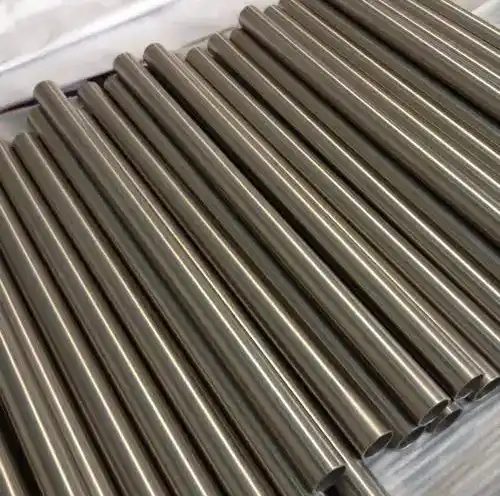
Understanding Zirconium Seamless Tubes and Their Core Properties
Zirconium Seamless Tubes are parts that are made with care and work well in the roughest industrial settings. These very useful tube parts are made with special extrusion and cold pilgering methods. In other words, there are no join gaps, which could weaken the frame in rough weather.
Chemical Composition and Material Characteristics
Zinc tubes are very strong because they are made of certain metals. They are mostly made of zirconium with alloying elements that are carefully managed. More than 99.2% of grade 702 zirconium is zirconium. Zirconium-niobium metals, on the other hand, are stronger because they contain 2.5% niobium. It works best in a lot of different business settings because it gives you such fine control over the makeup. There is about 6.51 g/cm³ of mass, and it freezes at 1855°C. This means that even when it's hot, it stays solid. An oxide film (ZrO2) forms on the surface that heals itself, making it almost impossible for it to rust in harsh chemical conditions. Titanium and stainless steel 316 are great materials, but this one works better if you want to lower the air pressure.
International Standards and Quality Compliance
Standards around the world, such as ISO, ASTM B523, ASTM B551, and ASME SB551, make sure that goods are of high quality and can be sold anywhere. These rules make it clear what the exact standards are for the chemical makeup, mechanical properties, size ranges, and surface quality. This makes it easy for people from many countries to work together on projects and supply lines.
Key Criteria for Selecting the Right Zirconium Tube Grade
To pick the best zirconium tube grade, you need to think about a lot of things that are specific to the job and will affect how well and how long the material works. When people who work in buying know about these important factors, they can make decisions that are more reliable and worth more money.
Environmental and Operational Parameters
When picking a grade, whether it will be hot or cold is one of the most important things to think about. And this is why different kinds of zirconium need to work in different ways. That way, the building will stay strong and not rust over time. We need grade ideas for temperatures ranging from very cold to very hot. Pressure and mechanical stress loads have a big effect on the stuff that is used in nuclear chemistry and high-pressure chemistry. Over time, it can handle more stress and pressure because there aren't any weak places like there are with bonded parts. For rust not to form, you need to know how chemically hard the process setting is. Acids, bases, and organic acids don't really hurt some types of zirconium. There are different ways for each grade to do chemistry.
Grade Classifications and Performance Characteristics
Some kinds of pure zirconium, like UNS R60702, don't rust easily even when exposed to strong chemicals. Because of this, they are great for jobs where you need to use hot acids and other chemicals that break things down. Strong acids can't hurt it because it still has its oxide layer to protect it. It will last a very long time. Zinc metals like UNS R60705 (Zr-2.5Nb) are stronger and less likely to creep when they get hot. These metals are very useful in nuclear areas where metals need to be strong and not rust.
Material Comparison and Selection Advantages
Zirconium is one of the best materials out there when you look at it next to other materials. Titanium is indeed very strong for its weight, but zirconium is better at not rusting in reducing conditions and keeping the same size when exposed to neutrons. When used in difficult conditions, Zirconium Seamless Tubes last for decades, but stainless steel tubes often break down quickly.
How Zirconium Seamless Tubes Are Manufactured and Their Impact on Grade Selection
If you want to pick the right type of zirconium tubes, you need to know how they are made because that directly impacts their function and features. Modern ways of making things make sure that the sizes are correct, the microstructure is regular, and the quality of the surface is good enough to meet strict standards in the industry.
Primary Manufacturing Processes
Extrusion and rotating drilling are the basic methods used to make seamless tubes. They start with solid zirconium billets and make the first hollow tube shape. This method makes sure that the grain structure stays the same and gets rid of the heat-affected areas that come with welding, so the features are the same all the way through the tube wall thickness. The most important secondary step for getting the final dimensions and engineering qualities is cold piling. This controlled bending process smooths out the surface, improves the microstructure, and makes sure that the dimensions are exactly right for tough jobs like heat exchanger tubes and covering for nuclear fuel.
Heat Treatment and Property Enhancement
It goes through steps of carefully controlled heat treatment after it is made to get certain qualities and release stress. If you change how fast the metal cools during the melting process, you can change its tensile strength, bendability, and resistance to rust. Some rules about how to heat metal are different for each type and use. If you want the hydrides in nuclear-grade tubes to stay lined around the edges, they need special structure control. There is no longer any chance of the hydrides breaking down after being around neutrons for a long time.
Quality Control and Testing Protocols
Full quality control methods make sure that everything is the same and meets the wants of the customer. When a material is put through mechanical testing, its hardness, tensile strength, and crack toughness are all measured to make sure they meet the needs of the design. By looking at the chemical makeup through a spectrometer, the grade requirements are met, and the range requirements are met. A second check is the measurement. Tests that don't damage the structure, like ultrasound checks, find problems inside the tube wall and make sure the structure is strong all the way through.
Practical Guidance on Procuring Zirconium Seamless Tubes for B2B Clients
To buy Zirconium Seamless Tubes successfully, you need to think about your sources carefully, write down clear requirements, and manage the supply chain well. For big industrial projects, how well the materials work directly impacts the success of the business and the cost of the project. This makes these things even more important.
Supplier Evaluation and Selection Criteria
Check a maker's list of certificates to make sure they meet quality standards around the world before you buy something from them. Before you buy from someone, make sure that they have certificates from well-known organizations such as ISO 9001:2015, PED, TUV, CCS, ABS, and DNV. These show that they care about using technology well and making sure the quality is good. When figuring out if a company can make something, you should look at its production ability, expert know-how, and past work with similar projects. People who have worked as suppliers for oil companies, EPC firms, and nuclear power plants before are more likely to have the technical know-how and good systems needed for big jobs.
The ability to guarantee quality is another important thing to consider when ranking. To make sure that the qualities and performance of materials meet the needs of requirements, suppliers should keep full testing facilities, quality methods that are written down, and tracking systems.
Procurement Strategy and Cost Optimization
Strategies for buying in bulk can cut unit costs by a large amount while still making sure there is enough product for the job. Suppliers can often improve production schedules and offer better prices for long-term supply deals when customers commit to a certain amount of goods. Customization lets providers give customers tubes with specific sizes, grades, and finishes on the outside that are perfect for their needs. This adaptability gets rid of the need for extra processing and guarantees top performance in the service setting for which it was designed. Keeping track of lead times is important for planning projects, especially when special grades or custom specs need more time to be made. Early interaction with suppliers and accurate demand predictions help keep shipping times to a minimum and make sure materials are available when they're needed.
International Trade and Logistics Considerations
Global supply chains for Zirconium Seamless Pipes require careful attention to shipping, handling, and customs procedures. Experienced suppliers provide comprehensive logistics support, including proper packaging, documentation, and coordination with freight forwarders to ensure timely delivery worldwide. Packaging standards must protect tubes from damage during international transport while complying with regulatory requirements for hazardous materials classification, where applicable. Proper packaging also facilitates inventory management and quality preservation during extended storage periods.
Making the Final Decision: Matching Your Needs with the Right Zirconium Tube Grade
The final grade selection process synthesizes technical requirements, economic considerations, and supplier capabilities to identify the optimal solution for specific applications. This decision-making framework ensures alignment between material properties and operational demands while optimizing long-term value and performance.
Application-Specific Selection Guidelines
Zirconium metals like Zircaloy-2 or Zircaloy-4 are often used in nuclear applications because they don't absorb neutrons well and have good mechanical qualities and rust protection when exposed to irradiation. To get the material control and purity levels needed for nuclear service, these grades are made using special methods. Unalloyed zirconium grades work best in chemical processes because they are the least likely to rust in harsh settings. Picking the right unalloyed grade depends on how it will be used mechanically and how it will be exposed to chemicals. When using a heat exchanger, you need to find a balance between resistance to rust, thermal transfer, and mechanical strength. There is better performance with zirconium seamless tubes than with other materials in acidic service, and they still transfer heat very well.
Decision-Making Checklist and Best Practices
By going over the technical details, you can be sure that the grades you choose meet all of your practical needs. For example, they should be able to handle the temperature, pressure, and chemicals, and they should be strong enough to hold their own. It is possible to find good ways to buy by comparing these needs with what providers can do. It is important to make sure that a seller has the right industrial licenses, that their quality system is up to code, and that they have done sets like this before. Because of this study, there is less danger in buying, and it is known that the provider can handle the project's needs. The economic study should look at not only the original costs of the materials, but also their total value, which includes the costs of maintenance, replacements, and changes in how efficiently they work. Zr Seamless Tubes are often more valuable in the long run than other materials, even though they cost more at first.
Conclusion
You should carefully think about the needs of the application, the qualities of the material, and the supplier's skills in order to pick the right zirconium seamless tube grade. When decisions are being made, they have to strike a line between the need to save money and the need to do well at work, while also making sure that all standards and requirements are met. Zinc seamless tubes work really well in tough settings where other materials don't because they don't rust as easily, have higher dynamic strength, and last a long time. Before picking the right grade, you should know about the specifics of the job, compare the grades to the performance standards, and only work with approved providers who can provide consistent quality and technical help throughout the project plan.
FAQ
What are the main differences between zirconium grades for seamless tubes?
The primary differences lie in alloying elements and intended applications. UNS R60702 represents unalloyed zirconium, offering maximum corrosion resistance for chemical processing, while UNS R60705 (Zr-2.5Nb) provides enhanced mechanical strength for nuclear applications. Zircaloy grades incorporate tin and other elements specifically for nuclear reactor service.
How do operating temperatures affect zirconium tube grade selection?
Operating temperatures influence both mechanical properties and corrosion behavior. Higher temperatures may require alloy grades with improved creep resistance, while cryogenic applications benefit from unalloyed grades that maintain ductility at low temperatures. Thermal cycling conditions also impact material selection criteria.
What quality certifications should I look for in zirconium tube suppliers?
Essential certifications include ASTM B523, ASTM B551, PED 2014/68/EU, and ISO 9001:2015 for quality management. Nuclear applications require additional certifications like ASME Section III, while pressure vessel applications need compliance with relevant pressure equipment directives and classification society approvals.
Can zirconium seamless tubes be customized for specific applications?
Yes, reputable manufacturers offer extensive customization options, including specific dimensions, wall thicknesses, length requirements, surface finishes, and heat treatment conditions. Custom specifications ensure optimal performance for unique application requirements while maintaining compliance with applicable standards.
What is the typical lead time for zirconium seamless tube orders?
Lead times vary depending on grade, quantity, and customization requirements. Standard grades typically require 8-12 weeks, while custom specifications or specialized nuclear grades may require 12-16 weeks. Early supplier engagement and accurate demand forecasting help optimize delivery schedules.
How does zirconium compare to titanium for corrosive applications?
While both materials offer excellent corrosion resistance, zirconium provides superior performance in reducing environments and strong acids. Zirconium maintains better dimensional stability under neutron irradiation, making it preferred for nuclear applications, while titanium offers advantages in oxidizing environments and aerospace applications.
Why Choose LINHUI TITANIUM for Your Zirconium Seamless Tubes Requirements
Leading global industries trust LINHUI TITANIUM as their preferred zirconium seamless tubes supplier for critical applications across oil, gas, chemical, and nuclear sectors. Our comprehensive manufacturing capabilities, extensive international certifications including PED, TUV, CCS, ABS, and DNV, and proven track record with major corporations like CEFC, PTT, and LUKOIL demonstrate our commitment to excellence. With over two decades of experience since 2000, we deliver customized solutions that meet stringent quality requirements while providing reliable supply chain support to more than 60 countries worldwide. Contact our technical team at linhui@lhtitanium.com to discuss your specific Zirconium Seamless Tubes requirements and discover how our expertise can optimize your project success.
References
1. American Society for Testing and Materials. "Standard Specification for Zirconium and Zirconium Alloy Seamless and Welded Tubes for Nuclear Service." ASTM B523-18.
2. International Atomic Energy Agency. "Material Selection and Qualification for Nuclear Power Plants." Nuclear Energy Series No. NP-T-3.13, Vienna, 2019.
3. Carpenter Technology Corporation. "Zirconium Alloys: Properties, Processing and Applications in Corrosive Environments." Technical Bulletin, 2018.
4. Nuclear Regulatory Commission. "Standard Review Plan for Fuel System Design of Nuclear Power Plants." NUREG-0800, Section 4.2, Revision 4.
5. Lemaignan, Claude. "Zirconium Alloys in Nuclear Applications." Materials Science and Technology: A Comprehensive Treatment, Volume 10B: Nuclear Materials, 2019.
6. Corrosion Engineering Association. "Performance Evaluation of Zirconium Alloys in Chemical Processing Industries." Journal of Industrial Corrosion Research, Volume 45, Issue 3, 2020.