
When sourcing materials for mission-critical aviation and mechanical applications, understanding the exact determinations of titanium combinations gets to be foremost. The AMS 4911 plate speaks to the aviation industry's benchmark for Ti-6Al-4V Review 5 titanium sheet and plate items. This determination characterised exacting necessities for chemical composition, mechanical properties, and microstructural keenness that isolated aerospace-grade materials from commercial options. The combination conveys a least ductile quality of 134 ksi with remarkable erosion resistance, making it vital for airship structures, motor components, and defence frameworks where failure is not an option. Throughout this document, we examine how AMS 4911 titanium alloy plates meet the requirements of global energy, aerospace, and heavy industry sectors.
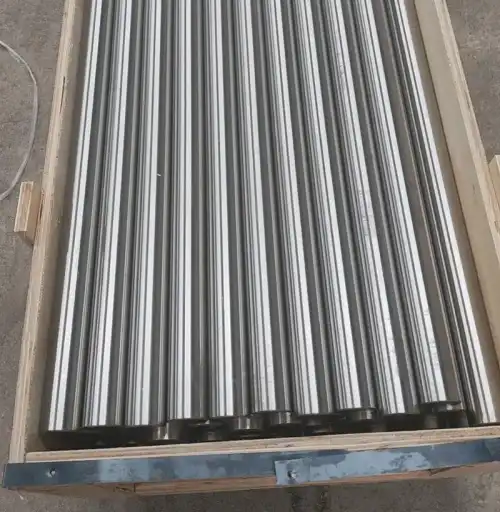
Understanding AMS 4911 Titanium Alloy Plate Specifications
Chemical Composition and Material Science
The chemical composition of Ti-6Al-4V beneath AMS 4911 follows firmly controlled parameters that distinguish it from less thorough commercial details. Aluminium substance ranges from 5.50% to 6.75%, giving a strong arrangement, fortifying and lessening, by and large, thickness. Vanadium constitutes 3.50% to 4.50%, stabilising the beta stage and making strides in forgeability. Fundamentally, interstitial components are stringently limited: iron is capped at 0.30%, oxygen at 0.20%, nitrogen at 0.05%, carbon at 0.08%, and hydrogen typically remains below 0.015% (150 ppm) to prevent embrittlement that compromises service life.
This exact natural adjustment makes an alpha-beta microstructure where both stages contribute one-of-a-kind properties. The alpha stage provides fabulous quality and crawl resistance, whereas the beta stage improves ductility and formability. AMS 4911 expressly disallows nonstop alpha systems at grain boundaries, a deformity known as "alpha case" that definitely diminishes weariness resistance and sturdiness. Producers accomplish this feat through controlled hot working temperatures and fitting warm treatment conventions.
Mechanical Properties and Performance Thresholds
In the annealed condition specified by AMS 4911, titanium plates must exhibit minimum mechanical properties that exceed those of many competing alloys. Ultimate tensile strength reaches at least 924 MPa (134 ksi), while yield strength (0.2% offset) must achieve a minimum of 869 MPa (126 ksi). Elongation requirements vary slightly with thickness but generally demand at least 10% to ensure adequate ductility for forming operations and damage tolerance in service.
The density of 4.43 g/cm³ (0.160 lb/in³) provides a remarkable strength-to-weight advantage, offering approximately 60% weight savings compared to equivalent steel components and a 50% reduction versus nickel superalloys. This characteristic proves essential in aerospace applications where every kilogram saved translates to fuel efficiency gains and increased payload capacity. The beta transus temperature typically falls between 982°C and 1010°C (1800°F-1850°F), defining the threshold where the alloy transforms entirely to the beta phase during heat treatment.
Available Thickness Ranges and Dimensional Capabilities
AMS 4911 titanium plates are manufactured in thickness ranges from 0.5mm to 150mm, accommodating diverse engineering requirements across multiple industries. Standard plate dimensions typically measure 48 inches by 120 inches, though certified manufacturers can provide custom sizing to match specific project blueprints and reduce material waste during fabrication.
Procurement teams should know that thicker sections may take longer to process because they need more steps, like multiple hot rolling passes, intermediate annealing cycles, and thorough ultrasonic inspection according to AMS 2631 standards. Each plate ships with complete mill test reports documenting chemical analysis results, mechanical test data, heat treatment records, and heat number traceability—critical documentation for aerospace quality systems and third-party inspections by agencies such as DNV, ABS, or Lloyd's Register.
Performance and Durability Features of AMS 4911
Exceptional Corrosion Resistance in Harsh Environments
Titanium combination AMS 4911 illustrates prevalent erosion resistance that beats stainless steel choices in oxidising, chloride-rich, and acrid gas situations. The inactive oxide film that suddenly forms on titanium surfaces gives extraordinary assurance against seawater, pressure-driven liquids, fly fuel, and chemical-preparing media experienced in oil and gas operations. This characteristic makes the fabric important for seaward stages, subsea hardware, and chemical handling vessels, where fabric degradation leads to disastrous disappointments and expensive downtime.
Titanium maintains its structural integrity over a wide temperature range without experiencing stress corrosion cracking, unlike austenitic stainless steels that are prone to this issue in chloride environments above 60°C. The fabric stands up to assault from natural acids, soluble compounds, and most mechanical chemicals, disposing of the requirement for defensive coatings that include weight and require upkeep. Vitality segment clients especially esteem this strength for components exposed to H₂S-containing liquids and high-salinity brines where routine materials come up short rapidly.
Fatigue Strength and Cyclic Loading Performance
AMS 4911 plate is widely used in aircraft structures and rotating machinery components that endure millions of stress cycles throughout their service lives, making fatigue resistance a critical design parameter. AMS 4911 titanium plates exhibit outstanding fatigue strength due to the carefully controlled microstructure free from continuous alpha phase networks. The alloy's fatigue limit approaches 50–60% of its ultimate tensile strength, significantly higher than aluminium alloys commonly used in aerospace applications.
Real-world performance data from landing gear assemblies, wing attachment fittings, and turbine blade roots confirms that properly processed AMS 4911 material delivers predictable fatigue life under high-cycle loading conditions. The absence of metallurgical defects such as alpha case, porosity, or segregation—all rigorously controlled through AMS specifications—ensures that crack initiation and propagation occur within predictable parameters established through extensive testing protocols.
Temperature Capabilities and Creep Resistance
AMS 4911 titanium amalgam maintains valuable mechanical properties at elevated temperatures of up to roughly 315°C (600°F), covering the warm envelope for various aviation and mechanical applications. Below this limit, the fabric exhibits excellent crawl resistance, meaning it can withstand constant deformation under sustained stacking at temperature—an essential requirement for motor mounts, exhaust components, and other parts adjacent to heat sources.
The alloy's alpha-beta microstructure gives this warm solidness through strong arrangement-reinforcing instruments that stay compelling over direct temperature ranges. Over 400°C, oxidation becomes a concern, and specialised surface medications or defensive climates may be required for amplified benefit. Experts in materials for gas turbine applications or high-temperature chemical reactors should consult with materials engineers to determine whether AMS 4911 is suitable for the specific thermal profile or if alternative alloys, such as Ti-6242, provide better performance margins.
Comparing AMS 4911 with Other Titanium and Metal Plates
AMS 4911 versus AMS 4928 and Related Specifications
Understanding the contrasts between titanium details helps avoid expensive blunders. AMS 4911 applies only to sheet, strip, and plate items, whereas AMS 4928 covers bars, wire, and forgings of the same Ti-6Al-4V composition. Fabric acclimating to AMS 4928 regularly shows distinctive grain stream characteristics coming about from coordinate bar rolling or fashioning operations, or maybe plate rolling processes.
AMS 4910 speaks to the solution-treated and matured (STA) condition of the Ti-6Al-4V plate, advertising higher quality levels (at least 160 ksi ductile) but diminished ductility compared to the strengthened AMS 4911 condition. Engineers select between these determinations based on whether the most extreme quality or ideal formability and weakness resistance takes precedence for their application. AMS 4920, covering Ti-6Al-4V ELI (Additional Moo Interstitial), confines oxygen and press substances to encourage improved break durability for cryogenic applications and weight vessels.
These determination qualifications matter massively amid obtainment since substituting one for another without designing an audit can compromise component execution and certification status. Aviation quality frameworks require strict adherence to drawing callouts, making determination information basic for acquiring offices to meddle with certified titanium providers.
Titanium versus Stainless Steel: Strategic Material Selection
When procurement groups assess fabric alternatives, the comparison between titanium combination plates and stainless steel grades habitually develops. AMS 4911 titanium conveys around 2.5 times the strength-to-weight proportion of 300-series austenitic stainless steels, empowering significant weight loss in basic applications. A component machined from titanium can achieve the same quality while weighing only 60% as much, resulting in fuel savings, increased payload capacity, and improved performance in aviation and marine applications.
Corrosion resistance comparisons favour titanium in oxidising and chloride situations where stainless steels endure setting, cleft erosion, and stretch erosion splitting. Marine structures, chemical handling gear, and seaward oil stages benefit from titanium's insusceptibility to seawater erosion without requiring costly nickel-based combinations. The starting fabric fetched a premium for titanium—typically 3-5 times higher than stainless steel—often demonstrated through lifecycle cost investigation bookkeeping for support, substitution, and operational productivity gains.
Fabricators ought to note that the AMS 4911 plate requires specialised welding methods in inert atmospheres and tooling considerations due to its tendency to gall and work-harden. These processing differences affect total project costs and timelines, factors that informed procurement managers weigh against performance advantages when selecting between material systems.
Procurement Insights for AMS 4911 Titanium Plates
Supplier Certification and Quality Assurance Requirements
Sourcing aerospace-grade titanium demands rigorous supplier qualification beyond simple price comparison. Reputable manufacturers maintain AS9100 certification, demonstrating compliance with aerospace quality management systems and ensuring traceability, configuration control, and nonconformance handling throughout production. Additionally, suppliers should hold relevant approvals from classification societies such as ABS, DNV, Lloyd's Register, and industry boards, depending on the target application sector.
Material test reports accompanying each shipment must document complete chemical analysis, room-temperature tensile tests, and any special testing required by the purchase specification, such as elevated-temperature properties, fracture toughness, or ultrasonic inspection results per AMS 2631. Heat number traceability lets us track each component back to the original melt, which is very important when looking into field failures or answering regulatory enquiries.
LINHUI TITANIUM maintains comprehensive certifications, including PED 2014/68/EU, multiple classification society approvals (CCS, ABS, DNV, BV, GL), and ISO 9001:2015 quality management systems. Our manufacturing operations undergo regular audits by third-party inspection agencies, including SGS, Bureau Veritas, TUV, and Moody's, providing customers with documented assurance that materials meet the stringent requirements of international aerospace and energy sector projects.
Pricing Dynamics and Budget Optimisation Strategies
Market prices for Ti-6Al-4V plate fluctuate based on raw material costs, production capacity utilisation, and global demand patterns from aerospace and defence sectors. Procurement managers should anticipate pricing with variations depending on thickness, quantity, testing requirements, and delivery timelines. Thicker sections and special sizing typically command premium pricing due to additional processing complexity.
Volume commitments and long-term supply agreements often yield favourable pricing structures while ensuring material availability during periods of tight supply. Strategic buyers establish relationships with manufacturers capable of maintaining inventory in commonly used thicknesses and sizes, reducing lead times for urgent project requirements. Comparing total acquisition costs—including freight, customs clearance, inspection services, and inventory carrying costs—provides more accurate budget projections than spot price comparisons alone.
Alternative materials like aluminium alloys or high-strength steels may appear cost-effective initially, but rarely deliver equivalent performance in demanding applications. Lifecycle cost modelling that accounts for component longevity, maintenance intervals, and operational efficiency typically validates titanium selection despite higher upfront material expenditure. Procurement professionals should engage engineering teams early in the design phase to optimise material selection and gauge thickness, balancing performance requirements against budget constraints.
Lead Times and Supply Chain Planning
Standard lead times for AMS 4911 plate typically range from 8 to 16 weeks, depending on thickness, quantity, and testing requirements. Custom dimensions, special chemistry controls, or expedited testing can extend delivery schedules or require premium charges. Global procurement teams must account for international shipping transit times, customs clearance procedures, and potential inspection hold points when developing project timelines.
Minimum order quantities for AMS 4911 plate vary by supplier but typically start at around 500 pounds for standard sizes, with smaller quantities available at premium pricing or from distributor stock, making strategic inventory management—balancing carrying costs against material availability—critical for EPC contractors managing multiple concurrent projects with overlapping material requirements.
Building relationships with suppliers and maintaining diverse inventory enables a faster response to urgent requirements or design changes late in project execution. LINHUI TITANIUM operates as a comprehensive titanium products supermarket, stocking various grades, sizes, and product forms to support customer needs across 60+ countries. Our integrated supply chain and strategic inventory positioning help clients avoid costly project delays while maintaining budget discipline throughout procurement cycles.
Practical Applications and Industry Use Cases of AMS 4911
Aerospace Structural Components and Airframe Applications
Commercial and military aircraft rely extensively on Ti-6Al-4V components throughout airframe structures where strength, weight savings, and corrosion resistance prove essential. Fuselage skins, bulkheads, rib webs, and cockpit window frames fabricated from AMS 4911 plate withstand differential pressurisation cycles and temperature extremes from -60°C at altitude to +50°C on the ground without fatigue crack initiation. The material's damage tolerance characteristics allow structures to maintain integrity even after sustaining minor impact damage or corrosion, and critical safety margins are built into aircraft certification requirements.
Landing gear assemblies represent another major application area where the alloy's fatigue strength and specific stiffness enable weight-optimised designs. Trunnions, side braces, and drag struts machined from titanium plate deliver the necessary strength to absorb landing loads across thousands of flight cycles while reducing unsprung weight that affects aircraft handling characteristics. Major airframe manufacturers specify AMS 4911 material for these applications based on decades of successful service experience and comprehensive material property databases.
Wing-to-fuselage attachment fittings and engine pylon structures also utilise a titanium plate to transfer aerodynamic and thrust loads between major airframe sections. These highly stressed components benefit from the material's predictable fatigue behaviour and compatibility with aluminium alloy primary structures through proper joint design and corrosion prevention measures.
Oil and Gas Industry Applications
The global energy sector increasingly specifies titanium alloys for equipment serving in corrosive offshore and subsea environments. Drilling riser components, blowout preventer elements, and subsea manifold housings fabricated from AMS 4911 plate resist the combined challenges of seawater corrosion, H₂S exposure, and high mechanical stresses. These applications leverage titanium's immunity to stress corrosion cracking in chloride environments—a failure mode that plagues high-strength steels in similar service conditions.
Heat exchangers and pressure vessel components in petrochemical facilities handling sour gas streams benefit from titanium's resistance to sulphide stress cracking and general corrosion. The material enables thinner wall construction compared to corrosion-resistant alloys like Hastelloy or Inconel, reducing both material costs and structural weight in large-scale process equipment. Maintenance intervals extend significantly when titanium components replace stainless steel in these demanding chemical environments, improving plant availability and reducing lifecycle costs.
LINHUI TITANIUM has supplied hundreds of thousands of tonnes of certified titanium products to major energy companies, including CEFC, PTT, PDVSA, KOC, KNPC, and PEMEX for critical projects worldwide. Our experience supporting large-scale oil and gas developments across the Gulf region, Africa, CIS countries, and Southeast Asia provides a deep understanding of the specifications, testing requirements, and documentation standards these projects demand.
Defense and specialised industrial applications
Military armour systems incorporate titanium plates for ballistic protection in vehicles and personnel carriers, where multi-hit capability and weight reduction both contribute to mission effectiveness. AMS 4911 material offers superior performance compared to ceramic armour in terms of multi-hit capacity while providing significant weight savings versus rolled homogeneous armour steel. This weight reduction translates directly to enhanced mobility across difficult terrain and reduced fuel consumption during extended operations.
Marine applications, including naval vessel structures, submarine components, and high-performance racing yacht hardware, exploit titanium's combination of strength and seawater corrosion resistance. Chemical processing equipment, sporting goods, and specialised medical devices represent additional markets where material properties justify premium pricing over conventional alloys.
The versatility of Ti-6Al-4V under the AMS 4911 specification supports diverse applications across industry sectors, each benefiting from the material's unique combination of specific strength, environmental resistance, and fabrication characteristics. Procurement professionals serving these varied markets require suppliers capable of providing certified material with appropriate documentation and technical support throughout the supply chain.
Conclusion
AMS 4911 plate, a titanium alloy conforming to AMS 4911, represents a proven materials solution for demanding aerospace, energy, and industrial applications where performance cannot be compromised. The specification's rigorous controls over chemistry, microstructure, and mechanical properties ensure consistent quality essential for safety-critical components operating in harsh environments. Understanding the material's characteristics, proper specification differences, and supplier qualification requirements enables informed procurement decisions that balance performance requirements against budget constraints. As global industries continue pushing performance boundaries, the role of aerospace-grade titanium alloys expands beyond traditional applications into emerging markets valuing reliability, durability, and total lifecycle value over initial material costs alone.
FAQ
What distinguishes AMS 4911 from commercial Grade 5 titanium?
AMS 4911 imposes aerospace-specific requirements, including tighter inspection frequencies, mandatory bend testing, stricter defect acceptance criteria, and enhanced documentation compared to commercial ASTM B265 Grade 5 specifications. These additional controls ensure higher reliability for flight-critical components where material inconsistency could lead to catastrophic failures.
Can the AMS 4911 material be welded successfully?
Ti-6Al-4V exhibits good weldability when proper procedures are followed. Welding must occur in inert atmospheres using argon or helium shielding to prevent contamination. Stress-relief annealing post-weld maintains optimal properties in heat-affected zones. Qualified welding procedures and certified welders are essential for aerospace applications.
What testing verifies material compliance with AMS 4911?
Comprehensive testing includes chemical analysis, room-temperature tensile tests, ultrasonic inspection per AMS 2631, and microstructural examination to confirm the absence of continuous alpha phase networks. Additional testing, such as elevated-temperature properties or fracture toughness, may be specified depending on application requirements.
How does thickness affect lead time and availability?
Standard thicknesses between 6mm and 25mm typically maintain better inventory availability with shorter lead times. Thicker sections require additional rolling passes and extended heat treatment cycles, potentially adding 2-4 weeks to delivery schedules. Custom thickness requirements should be communicated early in project planning to accommodate production scheduling.
Partner with LINHUI TITANIUM for Certified AMS 4911 Plate Supply
Sourcing mission-critical titanium materials demands a supplier combining technical expertise, comprehensive certifications, and proven project execution capabilities. LINHUI TITANIUM has served global aerospace, energy, and industrial clients since 2000 from our strategic location in Xi'an, China—the nexus of Belt and Road Initiative trade routes. Our extensive certification portfolio, including PED 2014/68/EU, AS9100, and approvals from ABS, DNV, Lloyd's Register, and Bureau Veritas, demonstrates our commitment to quality standards demanded by international projects. We maintain strategic inventory across thickness ranges from 0.5mm to 150mm, enabling responsive delivery to support tight project schedules. Whether you need standard 48"x120" plates or custom sizing with full mill test documentation, our technical team provides application support throughout your procurement cycle. Contact our aerospace materials specialists at linhui@lhtitanium.com to discuss your specific requirements and discover why leading EPC contractors and energy companies worldwide trust LINHUI TITANIUM as their preferred AMS 4911 plate supplier.
References
1. SAE International. "AMS 4911: Titanium Alloy, Sheet, Strip, and Plate 6Al-4V Annealed." Aerospace Material Specification, 2018 revision.
2. Boyer, R., Welsch, G., and Collings, E.W. "Materials Properties Handbook: Titanium Alloys." ASM International, Materials Park, Ohio, 1994.
3. Donachie, Matthew J. "Titanium: A Technical Guide, 2nd Edition." ASM International, 2000.
4. Peters, M. and Leyens, C. "Titanium and Titanium Alloys: Fundamentals and Applications." Wiley-VCH, Weinheim, Germany, 2003.
5. Lutjering, Gerd and Williams, James C. "Titanium, 2nd Edition: Engineering Materials and Processes." Springer-Verlag, Berlin, 2007.
6. ASM Handbook Committee. "ASM Handbook Volume 2: Properties and Selection—Nonferrous Alloys and Special-Purpose Materials." ASM International, 1990.