
Obtainment specialists must consider a number of critical components when judging the quality of titanium square tubing, such as the fabric composition, the precision of the estimations, the wrap-up on the surface, and compliance with industry guidelines. The quality of titanium square tubing has a significant impact on how well a venture works, particularly in the flying machine, marine, and energy industries, where accuracy and stability are exceptionally critical. Buyers can be beyond any doubt that they get high-performance titanium merchandise that meet strict specialized measures and offer incredible long-term value by utilizing efficient assessment strategies, checking documentation, and assessing providers.
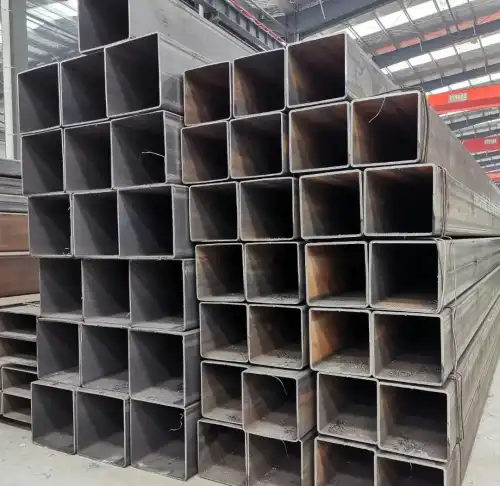
Understanding Titanium Square Tubing Quality Fundamentals
To judge the quality of titanium square tubing, you must begin by getting the fundamental characteristics that make an item superior. The composition of the fabric is what decides its quality. For mechanical employments, Review 5 (Ti-6Al-4V) amalgam and Review 2 completely unadulterated titanium are the most common materials chosen.
Chemical Composition and Grade Verification
The chemical cosmetics has a coordinate impact on the mechanical qualities and the resistance to erosion. Review 2 titanium has exceptionally few alloying components, so it is exceptionally simple to shape and doesn't rust, making it culminate for utilize in marine and chemical processing settings. Review 5 titanium has way better strength-to-weight proportions since it has aluminum and vanadium included in it. This is critical for aviation and high-stress applications. Chemical investigation certificates that have been checked beyond any doubt that ASTM B338 and other related benchmarks are met.
Mechanical Properties Assessment
The execution of the tubing beneath the stack is based on its mechanical qualities, such as its malleable quality, abdicate quality, and elongation. The mechanical properties of great titanium square tubing are the same over its cross-section. The regular pliable qualities run from 240 MPa for Review 2 materials to 895 MPa for Review 5 materials. These properties must meet the needs of the work and any industry measures that apply.
Dimensional Precision and Tolerances
Accuracy in measurements affects how well things fit together and how strong the structure is. When it comes to wall thickness, outer measurements, and straightness, premium titanium square tubing stays within very close tolerances. Industry standards set allowed deviation ranges, usually ±0.1mm for wall thickness and ±0.2mm for outer dimensions. This makes sure that the product works the same way in all situations.
Key Inspection Methods to Verify Titanium Square Tubing Quality
To fully check the quality, you need to use a systematic inspection method that combines eye evaluation, measuring dimensions, and advanced testing methods. These methods help find possible flaws and make sure that technical requirements are met.
Visual and Surface Quality Inspection
A visual check shows any flaws on the surface, like scratches, dents, discoloration, or contamination that might affect how well it works. High-quality titanium square tubing has a smooth, even surface with few bumps or other surface imperfections. Surface finish needs vary depending on the application. For example, aerospace parts usually need smoother finishes than structural parts in the industry. The efficiency of an inspection is increased by using the right lighting and magnifying tools.
Dimensional Verification Techniques
Calibrated tools like calipers, micrometers, and coordinate measuring machines are used for accurate measurement of dimensions. Critical measurements include the consistency of the wall thickness, the outer dimensions, the straightness, and the corner radius. Statistical picking across tube lengths makes sure that the dimensions of the whole batch are the same.
Non-Destructive Testing Methods
Non-destructive testing (NDT) methods find flaws on the inside and outside of the tube without hurting it. Ultrasonic testing finds holes or spots inside a material, while eddy current testing finds cracks and breaks in the material's surface. X-ray screening gives a detailed look at the inside of things for important uses. These testing methods make sure that structures are strong and reliable even in harsh service circumstances.
Mechanical Testing Protocols
Standardized methods are used for mechanical testing to confirm properties like strength and ductility. Tensile testing determines the final strength and elongation, and hardness testing ensures that the material is consistent. Impact testing checks the hardness of materials that are important for dynamic loading situations. The test results must match the requirements for the material and any business standards that apply.
Comparing Titanium Square Tubing Quality Across Different Grades and Suppliers
To find the right titanium grades and dependable sources, you need to carefully look at the properties of the material, the company's manufacturing skills, and its quality control systems. This process of comparing makes sure that the best materials are chosen and that the best suppliers are teamed up for each purpose.
Grade Selection Considerations
Grade 2 titanium is very good at resisting corrosion and can be shaped easily, so it can be used in naval settings, chemical processing equipment, and building parts. Because it isn't as strong as Grade 5, it can't be used in high-stress structural uses. The high strength of grade 5 titanium makes it perfect for high-performance car parts, medical implants, and aerospace parts. Grade 5 material is more expensive because it has better properties and more complicated production needs.
Supplier Evaluation Criteria
Suppliers you can trust show consistent quality through thorough licensing programs, well-documented quality management systems, and a history of success with big clients in the industry. A manufacturing capability review looks at things like how much can be made, how complex the equipment is, and the process control systems that are in place. Quality certifications like ISO 9001, AS9100, and approvals specific to the business show that quality management is done in a planned way.
Global Manufacturing Considerations
Where a product is made affects how consistent the quality is, how reliable the delivery is, and how much it costs. Established titanium producers keep strict quality standards no matter where they are located. Many Asian manufacturers have reached certification levels that are on par with Western peers. Transparency and traceability in the supply chain are becoming more and more important for critical uses that need full material documentation.
Practical Tips for B2B Buyers to Ensure Quality in Titanium Square Tubing Procurement
To ensure consistent quality and dependable delivery, good procurement strategies include carefully going over all the paperwork, testing samples, and building long-term relationships with suppliers.
Documentation Verification Process
A full study of the paperwork includes mill test certificates, material certifications, and compliance reports that show the standards were met. Chemical composition analysis, mechanical property testing results, and dimensional inspection records should all be on material test certificates. For important uses, third-party inspection certificates add another layer of quality assurance.
Sample Testing and Evaluation
Requesting samples lets you directly judge the quality of a product before placing a big order. Dimensional checks, surface quality checks, and, if possible, mechanical tests should all be part of the sample review process. Pilot testing in real-world application settings verifies how well the material works and how well it works with other systems.
Supplier Partnership Development
Long-term relationships with suppliers lead to continuous growth and better treatment when capacity is limited. Quality agreements make it clear what is expected of the materials, when they will be delivered, and what kind of paperwork is needed. Regular audits of suppliers make sure that quality standards are kept up and that process changes are made.
Technical Support and After-Sales Service
Suppliers who offer expert support help with choosing the right materials, giving advice on how to use them, and fixing problems when they happen. Technical know-how and responsive customer service are very important to the success of a project and the speed of operations.
LINHUI TITANIUM: Your Trusted Partner for Premium Titanium Square Tubing
LINHUI TITANIUM has been making high-quality titanium square tubing for over 21 years, since its founding in 2000. It has become a top manufacturer in this field. Our operations in Xi'an use advanced manufacturing techniques and strict quality control systems to make sure that the titanium goods we sell meet the strictest requirements.
Manufacturing Excellence and Capacity
Our production infrastructure includes two specialized factories with more than 30 production lines. This means that we can make orders of any size. This wide range of manufacturing options allows for an annual output of 800 tons, making sure there is a steady supply for large orders while still allowing for customization needs. Some of the precise ways we make things are cold drawing for tubes that are seamless up to 80 mm and advanced argon-arc welding (TIG) for bigger structures that need to be joined.
Quality Certifications and Standards Compliance
Many quality standards are kept up to date by LINHUI TITANIUM, such as ISO 9001:2015, TUV Nord AD2000-W0, and PED 2014/68/EU compliance. Our products are made to meet strict foreign standards, such as those set by the FDA, ASTM, and AS9100. Third-party inspection approvals from DNV, BV, SGS, and other well-known organizations show that we are dedicated to quality greatness.
Product Portfolio and Technical Specifications
Our titanium square tubing is made from Grade 2 commercially pure titanium and Grade 5 (Ti-6Al-4V) metals. It has a high strength-to-weight ratio and doesn't rust. Precision cold drawing and welding are used in the manufacturing process, and anodized or electropolished finishes can be added as options. Comprehensive testing methods, such as eddy current, hydrostatic, and X-ray inspection, ensure that goods meet customer requirements without any flaws.
Global Logistics and Customer Support
Our logistics network is well-established, and we can ship quickly via DHL, FEDEX, air freight, and sea. Protective packaging like foam-lined wooden boxes, plastic caps, and moisture-proof wrapping keeps the product's integrity while it's being shipped. We offer a range of transportation options, such as EXW, FOB, and CIF, and can provide full hazardous material certification when needed.
Conclusion
To figure out the quality of titanium square tubing, you have to look at the properties of the material, how it is made, and what the seller can do. Procurement experts can make sure that the quality of the materials they buy meets strict application requirements by using thorough inspection methods, double-checking paperwork, and building strategic partnerships with suppliers. A thorough quality review is an investment that pays off in important applications in the aerospace, marine, energy, and industrial sectors by improving performance, lowering maintenance costs, and lengthening service life.
FAQ
Q: How do I know if the titanium square tubing I received meets the required grade?
A: Verify the mill test certificate for chemical composition and mechanical properties, and consider independent lab testing if necessary. Check for proper certification markings and ensure documentation includes complete traceability information.
Q: What is the typical lead time for bulk titanium square tubing orders?
A: Lead time varies by supplier and order specifications but generally ranges from 2 to 6 weeks; always confirm with your supplier during inquiry. LINHUI TITANIUM provides quotes within 24 hours and maintains inventory for faster delivery on standard specifications.
Q: Can titanium square tubing be custom cut to specific dimensions?
A: Yes, most reputable suppliers offer custom cutting services to meet precise project requirements—ensure your order details are clearly communicated. LINHUI TITANIUM provides comprehensive customization services including dimensional cutting, surface finishing, and packaging according to customer specifications.
Partner with LINHUI TITANIUM for Superior Titanium Square Tubing Solutions
Ready to source premium titanium square tubing from a trusted manufacturer with over two decades of industry expertise? LINHUI TITANIUM combines advanced manufacturing capabilities, comprehensive quality certifications, and global logistics support to deliver exceptional value for your procurement needs. Our experienced team provides technical guidance for material selection and application optimization, ensuring optimal performance in your specific applications. Contact us at linhui@lhtitanium.com today to discuss your requirements, request samples, or receive a detailed quote within 24 hours. Experience the difference that certified quality and reliable supply chain partnership can make for your titanium square tubing supplier requirements.
References
1. American Society for Testing and Materials. "Standard Specification for Seamless and Welded Titanium and Titanium Alloy Tubes for Condensers and Heat Exchangers." ASTM B338-18.
2. Boyer, R., Welsch, G., & Collings, E.W. "Materials Properties Handbook: Titanium Alloys." ASM International, Materials Park, Ohio.
3. International Organization for Standardization. "Titanium and Titanium Alloys - Chemical Composition and Mechanical Properties." ISO 5832-2:2018.
4. Donachie, Matthew J. "Titanium: A Technical Guide, 2nd Edition." ASM International, Materials Park, Ohio.
5. Peters, M., Kumpfert, J., Ward, C.H., & Leyens, C. "Titanium Alloys for Aerospace Applications." Advanced Engineering Materials, Volume 5, Issue 6.
6. Lutjering, Gerd & Williams, James C. "Titanium: Engineering Materials and Processes." Springer-Verlag Berlin Heidelberg, Second Edition.