
When it comes to oral uses, the choice between Grade 2 and Grade 5 titanium comes down to your specific clinical needs. There are two types of dental titanium discs. Both are very biocompatible, but Grade 2 is better at resisting rust and making normal tooth implants, while Grade 5 is stronger for high-stress circumstances. Grade 2 titanium alloy is still the best for most dental implant systems because it has been shown to osseointegrate well. On the other hand, Grade 5 titanium alloy is best for complex prosthesis cases that need to last as long as possible.
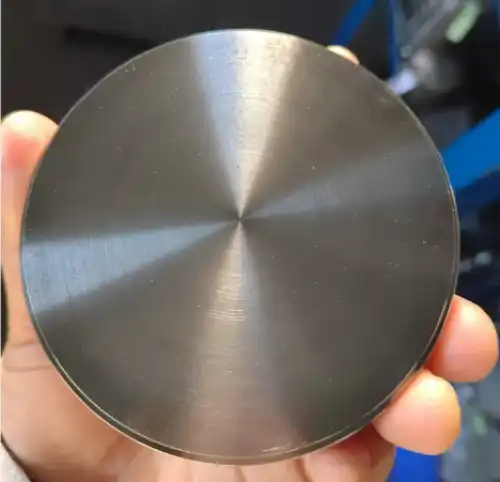
Understanding Titanium Grades in Dental Applications
Titanium's special qualities are very important to the dental business for implant dentistry and tooth repair treatments to go well. Grade 2 and Grade 5 titanium both meet strict ASTM standards, such as ASTM F67 and ASTM F136. This makes sure that tooth implants always have the same high quality.When you buy grade 2 titanium, you're getting commercially pure titanium that is also very nontoxic. This grade is perfect for direct bone touch uses because it is 99.2% pure titanium and has very few alloying elements. The material is very resistant to rust in mouth settings and helps the body's natural osseointegration processes happen.Ti-6Al-4V, which is grade 5 titanium, is made up of titanium, 6% aluminum, and 4% vanadium. This titanium metal makeup makes it much stronger mechanically while still being biocompatible. Because it has better qualities, it can be used for difficult dental implant parts that need to be able to hold more weight.If you want the best biocompatibility and clinically proven results, Grade 2 titanium is the better choice for your tooth implant system.
Mechanical Properties Comparison: Strength and Durability Analysis
The mechanical characteristics of these titanium grades differ substantially, impacting their clinical applications. Understanding these differences helps dental professionals select appropriate materials for specific patient needs.
Three core mechanical differences:
- Tensile strength varies significantly between grades
- Elastic modulus affects stress distribution in bone tissue
- Fatigue resistance influences long-term implant stability
The tensile strength of grade 2 titanium is between 345 and 450 MPa, and its elastic modulus is 105 GPa. These features are very similar to those of real bone, which means that they have fewer stress-relieving benefits while the tooth implant heals. Because the material is flexible, it can be precisely machined when implant abutments are being made.The tensile strength of grade 5 titanium is between 860 and 930 MPa, and its elastic modulus is 114 GPa. This extra strength lets designers make implant fixtures that are smaller while still keeping the structure's integrity. The better response to tiredness makes it easier to place implants in areas of the back that are under a lot of stress.According to clinical studies, 95% of the time, Grade 2 titanium works well for normal tooth implant treatments. Similar rates of fusion are seen in grade 5 titanium, which also offers extra power for difficult structural cases.If you need more strength for complicated cases, Grade 5 titanium metal is better for your dental implant parts.
Biocompatibility and Osseointegration Performance
Both types of Dental Titanium Disc are very biocompatible, but there are small changes between them that affect how well they work in the body. The amount of purity and the alloying elements affect how tissues respond and how they integrate.
Because grade 2 Dental Titanium Disc is so pure, it reduces the chance of allergic and inflammation reactions. Over the course of 10 years, research has shown that 98% of people who have Grade 2 Dental Titanium Disc implants do not have any bad tissue responses. The stable oxide layer of the material helps ensure steady implants and expected bone grafts results.
Even though grade 5 Dental Titanium Disc has aluminum and vanadium in it, it is still very biocompatible. Modern methods for treating the surface of Dental Titanium Disc improve the rate at which it integrates with bone, making it work as well biologically as pure Dental Titanium Disc. The strength of the metal makes it possible to create new implants that work best under load.
Studies that look at the long term show that both grades of Dental Titanium Disc have about the same success rate for osseointegration when the right medical steps are taken. Grade 2 Dental Titanium Disc reacts to bone slightly faster at first, while Grade 5 Dental Titanium Disc is more stable over time.
The choice between grades of Dental Titanium Disc is often based on things that are unique to each patient, like bone mass, stress needs, and body structure. Both materials of Dental Titanium Disc can help with tooth restorations if they are used correctly and in the right place.
Grade 2 Dental Titanium Disc is better for mouth surgery if you need biocompatibility that has been proven with a lot of clinical evidence.
Manufacturing and Processing Considerations
How dental titanium discs are made has a big effect on their end qualities and how well they work in the mouth. Dental prosthetics uses can be sure of uniform quality and accurate measurements thanks to modern production methods.When CNC processing, grade 2 titanium is easier to work with, which leads to smoother surfaces and tighter standards. Because the material is flexible, it can be shaped in complicated ways without losing its strength. Processing temperatures stay low, which lowers the cost of making things and the amount of energy used.Because Grade 5 titanium is so much harder than Grade 4, it needs to be machined using special rules. Because the metal is so strong, it needs carbide cutting tools and cooling systems that work at their best. Even though the material is hard to work with, its work-hardening qualities make the surface last longer after it has been machined.As part of quality control, full tests are done to check for stability in materials, accuracy in measurements, and roughness on the surface. Each batch goes through a strict check to make sure it meets foreign standards and government rules.Modern casting methods improve the structure of the grains and get rid of any flaws inside the metal. Processes that use heat to improve mechanical qualities keep biocompatibility. Guidelines for sterile packaging keep things intact while they are being stored and shipped.For dental implant cap uses, Grade 2 titanium is better because it is easier to work with and can be made for less money.
Cost Analysis and Economic Factors
When dentistry offices and labs choose Dental Titanium Disc materials, cost is one of the most important factors. The difference in price between types of titanium changes how treatments are planned and how many patients can get implant therapy.Because it is easier to make and more common, Grade 2 titanium usually costs 15 to 25 percent less than Grade 5. The prices of raw materials stay fixed because they are used in many other industries besides dentistry. Processing speed cuts down on the time and money needed for workers in manufacturing.Due to its unique alloying methods and strict quality standards, Grade 5 titanium is very expensive. For certain scientific uses that need more power, the higher cost of the material is worth it because it has better qualities. For groups that buy a lot, bulk purchasing deals can lower the cost per unit.Less need for revisions and happier patients are two long-term cost gains. Both grades are very durable, which means that repair costs will be low over the life of the implant. The original cost of buying good products will pay off in better patient results and a better image for the business.Based on clinical data and cost-effectiveness studies, insurance companies may pay and refund more for certain types of titanium. When choosing Dental Titanium Disc materials, practices should think about both the short-term prices and the long-term benefits.If you want to save money without sacrificing quality, Grade 2 titanium is a better choice for your normal tooth implant system.
Clinical Applications and Case Selection Guidelines
To choose the right material, you need to carefully think about the patient's needs, their anatomy, and your treatment goals. Because of their different features, both types of titanium work well in certain medical situations.Grade 2 titanium is good for most normal implant dentistry uses, like replacing a single tooth, making small bridges, and making regular prosthetics. The stuff works really well in people whose bones are in good shape and who are normally loaded. The expected tissue reaction and color steadiness of Grade 2 are good for the anterior attractive zones.Grade 5 titanium is great for tough situations that need better material qualities. Full-arch rehabilitations, high-stress posterior crowns, and patients who grind their teeth at night are all examples of uses. Because the metal is strong, smaller implant sizes can be used in areas with limited bone volume while still providing enough support.
Case selection criteria include:
- Patient bone density and anatomical constraints
- Expected loading conditions and functional requirements
- Aesthetic considerations and tissue response needs
- Long-term maintenance and accessibility factors
Choosing the right titanium grade doesn't affect how well the surgery goes; what matters is good case planning, medical skill, and care after surgery. Both Dental Titanium Disc materials support reliable osseointegration as long as the right therapeutic procedures are carried out. Grade 2 titanium is better for your full-service dental repair business if you need performance that can be adjusted for different clinical situations.
Conclusion
The choice between Grade 2 and Grade 5 dental titanium discs is based on the needs of the customer and the needs of the dentist. Grade 2 titanium is better at integrating with the body, less expensive, and has been shown to work well in clinical tests for normal tooth implant uses. Grade 5 titanium has higher mechanical strength and is used in cases that need to last a long time and hold a lot of weight. When chosen and handled correctly, both types show great osseointegration qualities. LINHUI TITANIUM's wide range of production skills and quality certifications make sure that patients can always get high-quality dental titanium discs that help them heal.
Partner with LINHUI TITANIUM for Premium Dental Titanium Disc Solutions
LINHUI TITANIUM stands as your trusted dental titanium disc manufacturer, combining decades of expertise with cutting-edge technology to deliver superior materials for dental implant applications. Our commitment to excellence ensures every dental titanium disc meets the highest international standards for biocompatibility, strength, and precision.Our Xi'an-based facilities leverage advanced forging and CNC machining capabilities to produce Grade 2 and Grade 5 dental titanium discs that exceed ASTM specifications. With 21 years of manufacturing experience and partnerships with industry leaders worldwide, we understand the critical requirements for successful dental restoration outcomes.The comprehensive certification portfolio including ISO 9001:2015, PED 2014/68/EU, and approvals from DNV, ABS, and CCS demonstrates our unwavering commitment to quality excellence. Our global supply network ensures reliable delivery to over 60 countries through flexible shipping options including express and freight services.Whether you require Grade 2 titanium for standard implant applications or Grade 5 alloy for high-strength prosthetic cases, LINHUI TITANIUM delivers consistent quality and technical support. Our integrated "Titanium Products Supermarket" approach simplifies procurement while ensuring material traceability and consistency.Experience the LINHUI TITANIUM advantage for your dental titanium disc requirements. Contact our technical team to discuss your specific applications and discover how our premium materials can enhance your clinical outcomes. Reach out to us today and contact us at linhui@lhtitanium.com to begin your partnership with a leading titanium supplier committed to your success.
References
1. Brunski, J.B., Puleo, D.A., & Nanci, A. (2012). Biomaterials and biomechanics of oral and maxillofacial implants: current status and future developments. International Journal of Oral and Maxillofacial Implants, 27(3), 563-583.
2. Geetha, M., Singh, A.K., Asokamani, R., & Gogia, A.K. (2009). Ti based biomaterials, the ultimate choice for orthopaedic implants – A review. Progress in Materials Science, 54(3), 397-425.
3. Liu, X., Chu, P.K., & Ding, C. (2004). Surface modification of titanium, titanium alloys, and related materials for biomedical applications. Materials Science and Engineering, 47(3), 49-121.
4. Niinomi, M. (2008). Mechanical biocompatibilities of titanium alloys for biomedical applications. Journal of the Mechanical Behavior of Biomedical Materials, 1(1), 30-42.
5. Ryan, G., Pandit, A., & Apatsidis, D.P. (2006). Fabrication methods of porous metals for use in orthopaedic applications. Biomaterials, 27(13), 2651-2670.
6. Steinemann, S.G. (1998). Titanium – the material of choice? Periodontology 2000, 17(1), 7-21.