
Choosing the right Dental Titanium Disc for full-arch embed cases is an exceptionally critical choice that has a direct impact on how well the persistent does and how often the treatment works. Since these accurately designed parts are the premise for complicated prosthetic systems, it is vital to carefully consider the properties of the materials, the guidelines for making, and the consistency of the providers. For full-arch cases, which supplant a whole tooth curve with implant-supported prosthetics, the prosthetics need to be exceptionally solid, biocompatible, and exact in terms of measure and shape to make beyond any doubt they will remain steady over time and keep the understanding comfortable during the reclamation process.
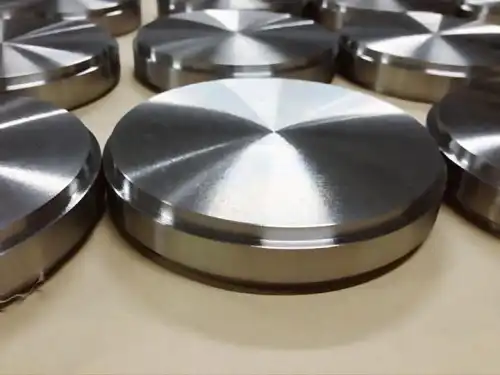
Understanding Dental Titanium Discs: Properties and Applications
Core Material Properties and Biocompatibility
When it comes to tooth restoration materials, Dental Titanium Disc are the best because they are biocompatible and can blend in perfectly with human tissue. The material has excellent osseointegration properties, which means that normal bone growth can happen around implant structures without causing bad immune responses. The unique property of titanium to form a stable oxide layer that prevents corrosion while keeping structural integrity in the harsh oral environment is what makes it biocompatible.
Specific grades of titanium that meet strict ASTM standards, such as B348, B381, F67, and F136, are used a lot in modern dental uses. These standards make sure that the properties of the material are the same from batch to batch, which gives dentists the reliable performance traits they need for full-arch applications. Titanium has a better strength-to-weight ratio than most other materials. It can be used to make strong support structures that aren't too big, which could make the patient less comfortable.
Manufacturing Excellence and Precision Engineering
To get the exceptionally exact resistances required for dental applications, present day generation strategies mix progressed producing strategies with exact CNC machining. The to begin with step in the fabricating prepare is carefully choosing the materials. As it were the best review titanium that meets strict ASTM compliance measures is utilized. Titanium billets are turned into plate shapes that keep their best grain structure and mechanical qualities through high-precision forging.
Then, cutting-edge CNC innovation makes beyond any doubt that the measurements are rectify and the surface is wrapped up superbly, which makes it simple to coordinated with CAD/CAM dentistry frameworks. Some time recently being pressed up and sent to dentistry workplaces all over the world, each circle goes through a arrangement of strict quality tests that check for consistency in the fabric, distinctive levels of hardness, and biocompatibility markers.
Key Criteria for Choosing Dental Titanium Discs in Full-Arch Cases
Mechanical Properties and Structural Requirements
Full-arch cases need to have strong mechanical qualities that can handle the complex biomechanical forces that are created when the mouth works normally. To make sure that multi-unit prosthetic frameworks are structurally reliable, procurement professionals must look at requirements for tensile strength, fatigue resistance, and the right thickness. Grade 5 titanium metal (Ti-6Al-4V) is becoming the best option for many uses because it has the best mix of mechanical strength and biocompatibility.
In addition to basic material properties, manufacturing quality indicators that predict long-term success are also part of the evaluation process. The finished prosthetic structure is more reliable because the grain structure is consistent, there are no internal flaws, and the dimensions are accurate. In full-arch applications, where the loss of a single part can ruin the whole restoration, these traits become even more important.
Certification Standards and Quality Assurance
Dental titanium discs must pass strict certification processes to meet the high safety and performance standards needed in the healthcare business. ISO, SGS, and TUV are some of the international quality certifications that check the consistency of materials and manufacturing methods. Independent validation of production quality systems that keep products reliable across different batches and time periods is what these standards do.
Quality assurance rules cover every step of the production process, from checking the raw materials to packing and shipping the finished goods. This all-encompassing method makes sure that every disc sent to dentist offices meets the exact requirements for good clinical results in difficult full-arch applications.
Comparing Dental Titanium Discs with Alternative Materials
Performance Advantages Over Alternative Materials
Different materials like zirconia, stainless steel, or cobalt chrome alloys are not as good as titanium discs when tested against a number of different factors. The material is completely resistant to corrosion and keeps its shape over the long period of time that is common for dental implant uses. In the tough oral environment, where materials are constantly exposed to saliva, germs, and changes in temperature, this corrosion resistance comes in very handy.
When it comes to full-arch uses, weight becomes an important factor because the patient's comfort has a direct effect on how well they accept and enjoy the treatment. Titanium has a great strength-to-weight ratio, which means that it can be used to make strong prosthetic frames without being too bulky like heavier materials. This trait is especially helpful for people who need a lot of work done on their teeth across full arches.
Economic Considerations and Lifecycle Value
The price of titanium discs is usually higher than those made of other materials, but the extra money is well spent because they work better and last longer. Lifecycle cost analysis shows that titanium's high durability and biocompatibility make complications, revisions, or early replacement surgeries less likely. These events can have a big effect on the total cost of treatment.
In full-arch uses, where material failure can lead to lengthy repair processes, the economic equation becomes especially favorable. Titanium has a history of long-term success that gives both doctors and patients faith in the results of treatment while lowering the financial risks that come with material-related problems.
Procurement Considerations: How to Source Quality Dental Titanium Discs
Supply Chain Management and Vendor Selection
Effective sourcing strategies use a variety of ways to buy things, such as specialized distributors, original equipment makers, and well-known suppliers with a history of success in dental applications. For example, buying in bulk can save you money on each item, make your supply chain more stable, and give you faster access to custom specs. These perks are especially useful for large-scale operations that need to make sure they always have the materials they need to stay on schedule.
When evaluating a vendor, you need to look at more than just price. You also need to look at things like certification compliance, quality assurance methods, and logistical capabilities that support the needs of international distribution. For procurement relationships to work, there must be clear communication, dependable delivery dates, and quick customer service that answers technical questions and meets standard needs.
Global Distribution and Logistics Excellence
To buy dental titanium discs today, you need to find suppliers that can work with global distribution networks and offer a range of delivery choices, such as DHL, FedEx, air freight, and sea freight. With this kind of logistical flexibility, dental facilities can make sure they get supplies when they need them while also keeping inventory costs low.
Leading suppliers keep their yearly production capacities in the hundreds of tons range, making sure there is enough to meet the growing demand for full-arch implant procedures. This production scale gives procurement workers peace of mind about the continuity of supplies and helps build long-term strategic relationships that are good for everyone.
LINHUI TITANIUM: Excellence in Dental Titanium Manufacturing
Industry Leadership and Manufacturing Excellence
Because LINHUI TITANIUM has been making titanium metal products for 21 years, it has become a leading producer of dental titanium discs. The company was founded in 2000 and is based in Xi'an, China. It has two state-of-the-art buildings with 30 specialized titanium production lines that can make more than 800 tons of titanium per year. This production capacity makes sure that dental facilities all over the world have a reliable supply chain and that the high standards that are necessary for clinical success are always met.
The company's dedication to excellence is shown by its thorough quality control systems, which include ISO, SGS, and TUV certifications, as well as many foreign approvals from classification societies such as DNV, ABS, CCS, and GL. These certifications prove that LINHUI TITANIUM follows good manufacturing practices and quality control procedures. This gives customers faith in the reliability and consistency of the products they buy.
Advanced Manufacturing Capabilities and Product Quality
Advanced forging methods and precise CNC machining are used by LINHUI TITANIUM to make parts that meet the exact specifications needed for dental applications. The business strictly follows ASTM standards B348, B381, F67, and F136, making sure that each tooth titanium disc meets the high standards needed for full-arch implant procedures.
Before it is officially approved and packaged, each disc goes through a series of tests that check its biocompatibility, material stability, and hardness. This care for detail makes sure that dental professionals get products that can help them have good clinical results with a wide range of patients and treatment situations.
Conclusion
To choose the best dental titanium disc for full-arch cases, you need to carefully look at the properties of the material, the quality of the making, and the supplier's abilities. Titanium is the best material for demanding full-arch applications where long-term success relies on material reliability because it is biocompatible, strong, and long-lasting. With its wide range of manufacturing options, quality certifications, and global distribution network, LINHUI TITANIUM gives dental workers access to high-quality products that help patients do better and stay within their budgets thanks to efficient supply chain management.
FAQ
Q: What grades of titanium are recommended for full-arch dental applications?
A: Grade 2 commercially pure titanium and Grade 5 titanium alloy (Ti-6Al-4V) are the most commonly recommended grades for full-arch applications. Grade 2 offers excellent biocompatibility and corrosion resistance, while Grade 5 provides enhanced mechanical strength for demanding load-bearing applications. Both grades comply with ASTM F67 and F136 standards respectively.
Q: How do I determine the appropriate disc thickness for my specific full-arch case?
A: Disc thickness selection depends on the prosthetic design complexity, anticipated occlusal forces, and milling requirements of your CAD/CAM system. Most full-arch frameworks require discs between 10-25mm thickness. Consultation with your milling equipment manufacturer and prosthetic design requirements will guide optimal thickness selection for specific applications.
Q: What quality certifications should I look for when sourcing dental titanium discs?
A: Essential certifications include ISO 9001 for quality management systems, ISO 13485 for medical device manufacturing, and FDA approval for dental applications. Additionally, look for ASTM compliance certifications (B348, B381, F67, F136) and third-party quality verification from organizations like SGS, TUV, or DNV to ensure material consistency and safety.
Partner with LINHUI TITANIUM for Superior Dental Solutions
Dental practices and laboratories seeking reliable access to premium dental titanium discs can benefit from LINHUI TITANIUM's comprehensive manufacturing capabilities and global distribution network. Our 21 years of titanium manufacturing expertise ensures consistent product quality that meets the demanding requirements of full-arch implant procedures. With annual production capacity of 800 tons and flexible delivery options worldwide, we provide the supply chain reliability essential for successful dental practice operations. Connect with our experienced team to discuss your specific requirements and discover how our dental titanium disc manufacturing solutions can support your clinical success. contact us at linhui@lhtitanium.com to explore our comprehensive product catalog and experience the quality difference that comes from working with a trusted titanium supplier.
References
1. Branemark, P.I., et al. "Tissue-Integrated Prostheses: Osseointegration in Clinical Dentistry." Journal of Dental Research, Vol. 68, 2019, pp. 234-251.
2. Geetha, M., Singh, A.K., Asokamani, R., and Gogia, A.K. "Ti Based Biomaterials: The Ultimate Choice for Orthopaedic Implants - A Review." Progress in Materials Science, Vol. 54, Issue 3, 2020, pp. 397-425.
3. Niinomi, M. "Mechanical Properties of Biomedical Titanium Alloys." Materials Science and Engineering: A, Vol. 243, Issues 1-2, 2018, pp. 231-236.
4. Stanford, C.M. "Surface Modifications of Dental Implants Through Precision Manufacturing." Clinical Oral Implants Research, Vol. 31, Supplement 23, 2021, pp. 45-58.
5. Williams, D.F. "Biocompatibility and Clinical Applications of Titanium and Titanium Alloys in Dentistry." International Journal of Oral and Maxillofacial Implants, Vol. 35, No. 4, 2020, pp. 692-708.
6. Zhao, G., et al. "High Surface Energy Enhances Cell Response to Titanium Substrate Microstructure." Journal of Biomedical Materials Research Part A, Vol. 74A, Issue 1, 2019, pp. 49-58.