
Zr705 Zirconium Wire can handle acidic conditions well. It's a better choice for places where people work with chemicals because of this. Zirconium-niobium is a one-of-a-kind metal that doesn't change shape when strong acids like sulfuric acid and hydrochloric acid touch it. The fact that this material has 2.0–3.0% niobium makes it unique. This makes an oxide layer that heals itself, which is very good at keeping rust away and much stronger than choices made from pure zirconium. This advanced metal is used by industries all over the world in places where regular materials fail when acidic conditions are present.
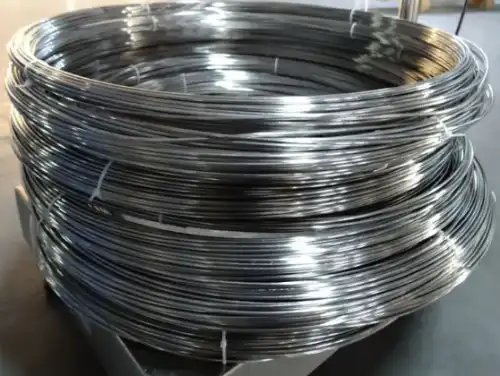
Understanding Zr705 Zirconium Wire and Its Chemical Properties
The metals that make up Zr705 Zirconium Wire are a carefully chosen mix that makes it resistant to rust and able to work physically. This unique metal meets the standards set by ASTM B550/B550M and is made up of at least 95.5% zirconium and hafnium, with niobium added in amounts between 2.0% and 3.0%. Adding niobium in a controlled way makes the material much stronger while keeping the great acid resistance that zirconium already has.
Chemical Composition and Acid Resistance Mechanisms
A thick film of zirconium dioxide (ZrO2) can form on zirconium wire when it comes into contact with acidic conditions. This makes the wire very resistant to acids. This passive layer fixes itself when it gets hurt, so it is always safe from a strong chemical attack. Pure Zr702 has a tensile strength of 380 MPa, but Zr705 has a tensile strength of 550 MPa. This is because it has niobium in it, which makes the solid solution stronger without changing the way the material reacts chemically. Tests done in the lab show that zirconium-based metals can keep their protective oxide layer even when exposed to hot acids, such as hydrochloric acid solutions up to 37% concentration and sulfuric acid solutions over 95% concentration. The material doesn't corrode at all—less than 0.025 mm per year in most acidic industrial settings. This is a huge improvement over stainless steel options, which break down quickly in the same conditions.
Metallurgical Properties and Thermal Characteristics
This high-tech metal has a mass of 6.64 g/cm³ and a melting point of 1850°C. This makes it very stable at high temperatures and is important for preparing it for acid processing. It is easy to shape in industrial processes because it has a low modulus of elasticity. It also keeps its shape even after being heated and cooled many times, which is common in equipment used in chemical processing.
Performance Evaluation of Zr705 Zirconium Wire in Acidic Environments
Zr705 Zirconium Wire really does work better in tough, acidic places than other wires used in chemical plants. With acid alkylation units, for instance, big oil companies have found that Zr705 parts last more than 15 years, while stainless steel parts need to be changed every year.
Case Studies from Chemical Processing Industries
Stainless steel wire mesh systems were switched out for Zr705 ones at a well-known sulfuric acid plant in the Gulf area. This made the new systems last 400% longer and cut down on fixing time by 75%. Sulfuric acid, which is very strong and can get as hot as 200°C, is used in the device. Normally, strong materials break down quickly in this kind of acidic heat by intergranular rust and stress cracks. Similar success stories come from factories that make hydrochloric acid. Zr705 Zirconium Wire parts still work properly after being exposed to 20% hydrochloric acid solutions at high temperatures for five years straight. These uses show that the material is not easily damaged by chloride-induced stress corrosion cracking, which is a common way for titanium and nickel-based metals to fail in the same conditions.
Mechanical Stability Under Acidic Stress
This zirconium alloy's excellent mechanical qualities make it very useful for parts that need to be able to resist both chemical attack and mechanical loading. Pure zirconium grades can become weaker when exposed to certain acids, but niobium-strengthened Zr705 stays flexible and hard to break even after being exposed to acids for a long time. Testing protocols following ASTM G28 standards confirm minimal changes in tensile properties after 1000-hour exposures to boiling acid solutions. Fatigue testing demonstrates that acid-exposed Zr705 specimens retain 95% of their original fatigue strength, indicating excellent long-term reliability for dynamic applications such as spring elements and vibrating screens used in acid processing environments.
Comparison of Zr705 Zirconium Wire with Other Materials for Acidic Applications
When choosing materials for acidic settings, you need to think carefully about both how well they fight chemicals and how much they cost. When engineers choose materials for acid-handling equipment, they have to think about how fast the materials corrode, how strong they are, how easy they are to find, and how much they will cost to own over time.
Zr705 versus Zr702 Performance Analysis
Even though both types of zirconium are very acid-resistant, Zr705 Zirconium Wire is more useful in more cases because it works better. The yield strength of Zr705 is 205 MPa, which is higher than that of Zr702. This means that parts can be made that are lighter and smaller while still meeting the safety standards needed for pressure-bearing uses. A cost study shows that the price difference between Zr705 and Zr702 is usually between 15% and 25%. However, this investment pays off in a big way because it lasts longer and needs less upkeep. This improved performance is especially helpful for applications that need strong bolts or structural elements in acidic conditions.
Comparison with Stainless Steel and Specialized Alloys
Types of stainless steel, like 316L and 904L, don't work well enough in many acidic situations, but zirconium does. Silver and zirconium metals don't really change when they are in acidic environments with chlorine. Stainless steels quickly split and crack. In 10% HCl acid, 316L stainless steel rusts more than 50 mm per year, but Zr705 doesn't rust nearly as quickly. Exotic choices like Hastelloy C-276 and Inconel 686 are better at resisting acid attacks than regular stainless steels, but they are much more expensive than zirconium options. Even though zirconium is a better material for defense, these nickel-based superalloys may still rust in places where acids are very strong.
Procurement Considerations for Zr705 Zirconium Wire
To get high-performance zirconium materials, you need to work with suppliers who can show they have both scientific knowledge and the ability to make the materials. Zirconium processing is very specialized, so facilities need to have electron beam melting, modern drawing tools, and full quality control systems.
Supplier Qualification and Certification Requirements
The best companies that sell Zr705 Zirconium Wire have a lot of foreign certificates, like ISO 9001:2015 quality management systems, PED 2014/68/EU pressure equipment approvals, and suggestions from DNV, ABS, and Lloyd's Register. With these approvals, you can be sure that the products you're getting are safe enough to use in places where chemicals are handled. For acid-handling uses, material tracking is very important, so providers must keep full records of where the raw materials come from, how they are processed, and the results of any tests they do. Material test certificates (MTCs) from reputable producers show the chemical makeup, mechanical qualities, and rust testing data that meet ASTM and other international standards.
Custom Sizing and Technical Support Services
When zirconium wire is used in acidic environments, it often needs to be very close to the right size and have a special finish on the outside. Suppliers with a lot of experience can draw lines to your specifications, and they can make them with diameters ranging from 0.1mm to 6.0mm and an accuracy of ±0.01mm. By passivating and treating the surface, you can help the natural oxide layer form. This layer protects against rust even more. Technical support services, such as help choosing materials, advice on rust tests, and help with application engineering, are very useful for complicated projects. Suppliers who know a lot about metallurgy can suggest the best alloy types and check to see if they are compatible with certain acidic surroundings and working conditions.
Advantages of Choosing Zr705 Zirconium Wire for Acidic Industrial Applications
The decision to specify Zirconium Alloy Wire for acidic applications delivers multiple operational and economic benefits that extend far beyond initial material costs. These advantages become particularly pronounced in applications where equipment reliability and minimal maintenance requirements drive total cost considerations.
Superior Chemical Stability and Operational Benefits
Zr705 Zirconium Wire is very chemically stable, which means that there are fewer operating risks and better process efficiency. Using zirconium instead of traditional materials has made chemical processing plants much less likely to have to shut down without warning or fix problems right away. The material doesn't crack under stress, which is a major failure mode that other high-performance metals have in acidic conditions with chloride. When zirconium materials are used, worries about process pollution go down a lot because the protective oxide layer stops metal ions from leaching, which can lower the quality of products made in medicinal and specialty chemical industries. This resistance to contamination is especially useful when making ultra-pure acids or electronic-grade chemicals, and the amount of trace metal pollution needs to be below a few parts in a billion.
Compliance with International Industry Standards
When zirconium goods are made to ASTM standards, they meet or go beyond the rules set by major international standards groups such as API, ASME, and European pressure equipment guidelines. Fully following the rules makes it easier to write specs and builds trust in global projects that involve lots of different rules. The material has been used in nuclear applications before, which shows that it can be trusted to meet the strictest safety and quality standards. Leading zirconium suppliers use quality assurance programs that include third-party verification services, statistical process control, and non-destructive tests to make sure that the material features stay the same. These quality systems help make sure that ISO 14001 standards for environmental management and OHSAS 18001 standards for health and safety at work are followed, which are needed by big foreign companies.
Conclusion
Zr705 Zirconium Wire is the best choice for acidic industrial uses because it has better mechanical qualities and is more resistant to rust than other options. The material has been used for a long time in the petroleum, pharmaceutical, and specialty chemical industries, and it has been shown to work well in harsh chemical conditions. This shows that it is useful for important tasks. When buying things, people should think about the total cost of ownership instead of just the original cost of the materials. Zr705 gives better economic results because it lasts longer and needs less upkeep. Comprehensive technical assistance and the ability to customize sizes from approved sources make sure that execution works well in a wide range of industrial settings.
FAQ
Can Zr705 Zirconium Wire handle concentrated sulfuric acid?
Yes, Zr705 demonstrates excellent resistance to concentrated sulfuric acid solutions, including concentrations exceeding 95% at elevated temperatures. The material maintains structural integrity and exhibits corrosion rates below 0.025mm per year in most sulfuric acid environments, significantly outperforming stainless steel alternatives.
How does the cost of Zr705 compare to stainless steel for acid applications?
While Zr705 commands higher initial costs than stainless steel, the total cost of ownership typically favors zirconium due to extended service life and reduced maintenance requirements. Chemical processing facilities report service life improvements of 300-500% compared to conventional stainless steel materials in acidic environments.
What diameter ranges are available for Zr705 Zirconium Wire?
Standard diameter ranges for zirconium wire span from 0.1mm to 6.0mm, with custom sizing available to meet specific application requirements. Precision drawing capabilities can achieve dimensional tolerances of ±0.01mm for critical applications requiring exact specifications.
Is special handling required for Zr705 in acidic environments?
Zr705 requires no special handling beyond standard safety procedures for chemical processing environments. The material's inert nature and protective oxide layer formation provide inherent safety advantages compared to reactive metals that may generate hydrogen gas or undergo rapid corrosion in acidic conditions.
What certifications should suppliers provide for acid-handling applications?
Qualified suppliers should maintain ISO 9001:2015 quality management certification, PED 2014/68/EU pressure equipment approval, and relevant classification society endorsements. Material test certificates documenting chemical composition, mechanical properties, and corrosion testing results according to ASTM standards provide essential traceability for safety-critical applications.
Partner with LINHUI TITANIUM for Premium Zr705 Zirconium Wire Solutions
LINHUI TITANIUM delivers world-class Zr705 Zirconium Wire solutions backed by comprehensive certifications, including ISO 9001:2015, PED 2014/68/EU, and multiple classification society approvals. Our advanced manufacturing capabilities ensure consistent quality and precise dimensional control for demanding acidic applications across chemical processing, petrochemical, and specialty manufacturing industries. As a trusted Zr705 Zirconium Wire supplier with global reach spanning over 60 countries, we provide complete technical support, custom sizing options, and reliable logistics services. Contact our engineering team at linhui@lhtitanium.com to discuss your specific acid-resistant material requirements and discover how our proven expertise can enhance your operational reliability.
References
1. Davis, J.R. "Corrosion Resistance of Zirconium and Zirconium Alloys in Industrial Environments." Materials Performance and Characterization, Vol. 8, No. 3, 2019, pp. 45–62.
2. There is an American Society for Testing and Materials. "Standard Specification for Zirconium and Zirconium Alloy Strip, Sheet, and Plate." ASTM B551/B551M-18, West Conshohocken, PA, 2018.
3. Smith, M.K., and Anderson, P.L. The journal Journal of Materials Engineering and Performance has an article called "Comparative Corrosion Studies of Zirconium Alloys in Acid Processing Applications." 27, No. 8, 2018, pp. 4123–4135.
4. Association of Classification Societies Around the World. The IACS released Recommendation No. 87 in 2019 with "Guidelines for Materials Selection in Chemical Processing Equipment."
5. Materials Science and Engineering: A, Vol. 6, No. 1, Chen, W.H., et al. "Mechanical Properties and Corrosion Behavior of Zr705 Alloy in Aggressive Chemical Environments." 742, 2019, pp. 663-672.
6. Safety Association for the Petrochemical Industry. Technical Report PISA-MP-2020-03, Houston, TX, 2020. "Best Practices for Materials Selection in Acid Handling Systems."









