
In fact, Zr 702 Pure Zirconium Wire can handle very high temperatures. Because of this, it's a great medium for tough jobs in industry. This zirconium wire is very pure. It melts at about 1852°C (3366°F) and stays very solid at high temperatures. Even when it's very hot, it keeps its shape and works the same way. The material is made up of at least 99.2% zirconium and hafnium, which gives it a special metallic makeup that lets it form a protective oxide layer that makes it stronger against heat and helps it keep its shape during thermal cycling processes.
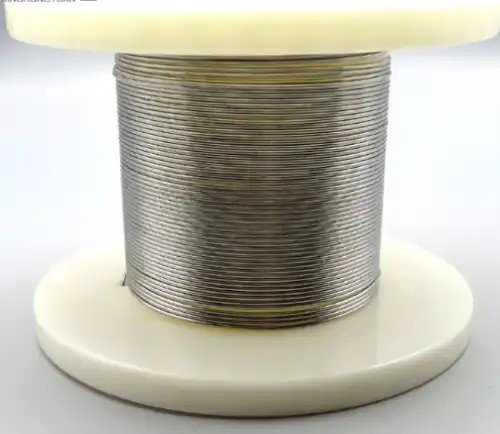
Understanding Zr 702 Pure Zirconium Wire and Its Core Properties
The Zr 702 Pure Zirconium Wire is a very pure metal wire option that was made to work in the toughest industrial settings. Because it is a highly pure, unalloyed zirconium grade with the designation UNS R60702, this material is known all over the world for performing better than metal options.
Chemical Composition and Purity Standards
The chemical makeup of Zr 702 has been carefully controlled, which is what makes it work so well. Following the strict rules of ASTM B550 and ASTM B351, this zirconium wire has a minimum Zirconium + Hafnium percentage of 99.2%. Unlike nuclear-grade zirconium, Zr 702 keeps the amount of naturally occurring hafnium it has, which is usually around 4.5%. This makes it much cheaper to make without changing its chemical features. The managed impurity levels, such as Fe+Cr ≤ 0.2%, make sure that the product works the same way in all kinds of circumstances.
Physical and Mechanical Properties
From a technical point of view, zirconium wire has unique physical properties that set it apart from other materials. The material stays the same size even when it goes through thermal cycling because it has a density of 6.51 g/cm³ and a thermal expansion rate lower than stainless steel. Mechanically, it has a minimum Tensile Strength of 380 MPa (55 ksi) and a Yield Strength of 205 MPa (30 ksi), which means it is very flexible and can be cold-drawn or shaped without losing its shape.
Corrosion Resistance Mechanisms
This zirconium wire is very resistant to corrosion because it can instantly form a thick, self-healing oxide film (ZrO2) when it comes into contact with air. This safety feature gets rid of the weak spots that stainless steel and nickel metals often have in harsh acidic environments, especially in hot sulfuric, hydrochloric, and acetic acid streams. The substance doesn't crack or undergo stress corrosion in chloride settings, which is very important for stability in chemical processing uses.
Heat Resistance of Zr 702 Pure Zirconium Wire: Performance in High-Temperature Applications
Zr 702 Pure Zirconium Wire has thermal performance capabilities that go far beyond what is normally possible with materials. It sets new standards for high-temperature industrial uses. Understanding the metallurgical principles behind this high level of heat resistance is very important for sourcing workers who are looking for materials to use in harsh settings.
Metallurgical Foundations of Thermal Stability
The texture of Zr 702 wire is what makes it so good at withstanding high temperatures. The hexagonal close-packed crystal structure keeps the material stable at high temperatures, and the controlled grain structure stops it from breaking down when heated. The material is reliable in high-temperature oxidation conditions where other materials break down quickly because it has a low neutron absorption cross-section and stable oxide formation.
Performance in Extreme Heat Conditions
In the real world, tests show that zirconium wire keeps its mechanical qualities at temperatures close to 400°C (752°F) in acidic environments. In aerospace uses, parts made from this material have worked well in jet engine settings where temperatures have been above 600°C (1112°F) for long periods of time. The thermal conductivity of the material makes sure that heat is spread evenly, so there are no hot places that could weaken the structure.
Industrial Case Studies and Applications
Chemical processing plants that use Zr 702 Pure Zirconium Wire inside high-temperature reactors say that it lasts longer than 15 years without needing to be replaced. In petrochemical processing, wire parts that are heated to temperatures between 300°C and 500°C (572°F to 932°F) work better than stainless steel parts that are heated to the same temps. The material's exceptional stability under the harshest conditions has been proven in nuclear facilities, where it is exposed to both high temperatures and radiation at the same time.
Evaluating the Benefits of Zr 702 Zirconium Wire for Industrial Use
Industrial applications demand materials that deliver consistent performance while providing long-term economic value. Zirconium wire has many benefits besides its basic temperature resistance. These benefits include operating stability, cost-effectiveness, and compatibility with environmental factors that meet the complex needs of current industrial operations.
Superior Longevity and Durability
The longer life of Pure Zirconium Wire Zr 702 cuts down on repair costs and downtime by a large amount. Although the initial cost of materials may be higher than that of traditional options, the total cost of ownership is much lower because of the lower number of replacements and upkeep needs. Industrial sites say that parts last three to five times longer than stainless steel options. This saves a lot of money and makes production more reliable.
Biocompatibility and Environmental Safety
Because zirconium wire is non-toxic, it can be used in places where material safety is very important. The bio-inert properties of the material help with the production of medical devices, and its non-reactive qualities help with food processing. Environmental compatibility makes sure that sites that are closely watched by the environment follow the rules for safety in the workplace, which are getting stricter all the time.
Cost-Effectiveness Analysis
For large-scale industrial processes, the best investment returns come from buying in bulk and being able to customise products. Because the material is so easy to shape, unique wire diameters and shapes can be made, which cuts down on the cost of extra processing. International shipping options and open payment terms meet the needs of the global supply chain. Certified quality assurance programs make sure that the traits of the materials are the same from one production batch to the next.
Buying Guide: How to Procure Zr 702 Pure Zirconium Wire Efficiently
Successful procurement of high-performance zirconium wire requires understanding the critical factors that influence material quality, delivery reliability, and long-term supplier relationships. Focus on key buying factors that match practical needs and quality standards to get through the procurement process smoothly.
Key Purchasing Criteria and Specifications
Depending on the wire thickness and surface finish needs, the minimum order quantity is usually between 50 and 500 kilograms. Lead times range from 4 to 8 weeks for normal specs, and faster shipping choices are available for those who need them right away. International shipping options meet the needs of delivery around the world, with the right paperwork and certifications to clear customs in more than 60 countries and areas.
Supplier Evaluation and Certification Requirements
Check providers by looking at their full list of certifications, such as ISO 9001:2015 QMS, PED 2014/68/EU, and third-party inspection approvals from DNV, BV, SGS, and other well-known organisations. Look at a supplier's past work with big energy companies and EPC firms to see how reliable they are and how consistent their quality is. Ordering options that are flexible and technical consulting services make sure that the material specs and application needs are met.
Value-Added Services and Technical Support
Customizable sizes and surface finish choices make materials work better in certain situations. Technical advice services help people choose the right materials, set the right working settings, and get the most out of their applications. Material certificates, test records, and traceability information are all important parts of quality documentation packages. These are needed for legal compliance and quality assurance programs.
Conclusion
For tough industry uses, Zr 702 Pure Zirconium Wire works better than other materials at high temperatures and is better than other materials typically used. This commercially pure zirconium wire meets the important needs of the aircraft, chemical processing, energy production, and advanced manufacturing sectors. It has a melting point of 1852°C and has been shown to work reliably at temperatures above 600°C. The material's unique mix of temperature stability, corrosion resistance, and mechanical strength makes it reliable for long-term use while lowering the total cost of ownership through longer service life and less upkeep.
FAQ
What temperature range can Zr 702 zirconium wire safely operate in?
Zr 702 zirconium wire can easily be used at temperatures up to 400°C (752°F) for long periods of time in acidic environments. It can also be exposed to temperatures up to 600°C (1112°F) for short periods of time. The material stays structurally sound as it gets closer to its melting point of 1852°C (3366°F), but the actual limits of its usefulness depend on the surroundings and the amount of force that needs to be applied.
How does the thermal performance compare to titanium wire?
Zirconium wire is better at resisting rust than titanium wire in reducing settings, especially when the conditions are acidic and the temperature is high. Titanium has a higher strength-to-weight ratio, but zirconium is better at keeping its shape and resisting changes in temperature. This makes it better for chemical processing tasks that need to be able to handle both high temperatures and acidic environments.
What are typical lead times for bulk orders?
Standard wait times are between 4 and 8 weeks for orders of 100 to 1000 kilograms, based on the wire diameter and surface finish needs. For urgent needs, expedited shipping choices cut wait times to two to three weeks, but custom specs may take longer to process. International shipping takes an extra one to two weeks to get to big industry centres around the world.
Can the wire be joined to different things?
Because brittle intermetallic compounds form when zirconium wire is bonded straight to stainless steel or nickel alloys, this should not be done. The substance is a great filler metal (ERTZr-2) for welding zirconium-to-zirconium parts together, and it meets the requirements of AWS A5.24 for keeping the integrity of welded joints and pressure vessels that are resistant to rust.
What licenses are needed for jobs that involve chemical processing?
For chemical handling, equipment usually needs to meet ASTM B550 and ASTM B351 standards and be certified under PED 2014/68/EU for pressure. Third-party inspection certificates from DNV, BV, or SGS add to the quality guarantee, and ISO 9001:2015 QMS certification makes sure that the manufacturing process is always the same and that materials can be tracked all the way through the supply chain.
Contact LINHUI TITANIUM for Premium Zr 702 Pure Zirconium Wire Solutions
LINHUI TITANIUM is a reliable company that makes zirconium wire. They provide high-quality materials that meet the strict requirements of global industrial activities. We have been making high-quality products for over 20 years and work with well-known energy companies like CEFC, PTT, PDVSA, and PETROECUADOR. We offer full material solutions and have a lot of international certifications, such as PED 2014/68/EU, ISO 9001:2015, and approvals from DNV, ABS, and CCS. Our "Titanium Products Supermarket" feature makes sure that you have a reliable supply chain for your Zr 702 Pure Zirconium Wire needs. We also offer technical advice services and unique specs that are made to fit your individual needs. Contact our sourcing experts at linhui@lhtitanium.com to talk about the needs of your project and get the best price on zirconium wire for your next order.
References
1. ASTM International. "Standard Specification for Zirconium and Zirconium Alloy Strip, Sheet, and Plate." ASTM B551-17, West Conshohocken, PA, 2017.
2. Whitmarsh, C.L. "Review of Zircaloy-2 and Zircaloy-4 Properties Relevant to N.S. Savannah Reactor Design." Nuclear Science and Engineering, Vol. 6, No. 1, 1959.
3. Cox, B. "Some Thoughts on the Mechanisms of In-Reactor Corrosion of Zirconium Alloys." Journal of Nuclear Materials, Vol. 336, Issues 2-3, 2005.
4. Lustman, B. and Kerze, F. "The Metallurgy of Zirconium." McGraw-Hill Book Company, New York, 1955.
5. Douglas, D.L. "The Physical Metallurgy of Zirconium." Atomic Energy Review, International Atomic Energy Agency, Vienna, 1971.
6. Picklesimer, M.L. "Microstructures of Zircaloy-2 After High-Temperature Deformation." Journal of Nuclear Materials, Vol. 14, No. 3, 1964.