
It can be hard for buying managers to find high-performance seamless titanium tubes that meet strict approval rules. These tubes are needed for important industry uses. The best engineering ever is high-strength, flawless titanium tubes that are made to meet ASTM standards. They don't rust and are the strongest for their weight. They have been tested and shown to work effectively in the harshest environments in the oil, gas, chemical, aircraft, and marine industries around the world.
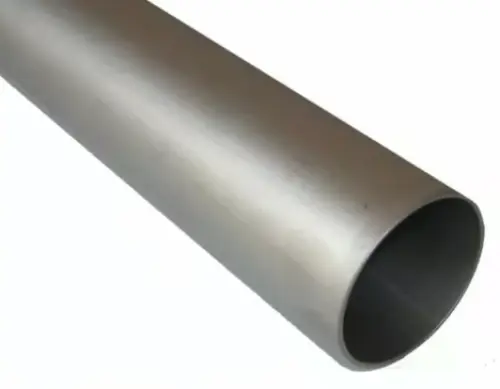
Understanding Seamless Titanium Tubes and ASTM Certification
Manufacturing Excellence Without Compromise
Seamless titanium tube is a big step forward in production because it doesn't have the structural flaws that come with bonded choices. These carefully made parts are cold-rolled and vacuum-annealed after being hot-extruded or rotary-pierced. This makes the microstructure the same across the whole cross-section. Some of the bonded parts are weak and can break when hot. Seamless construction, on the other hand, makes sure that all parts have the same mechanical properties and eliminates any possible leak paths, which is important for high-pressure uses. Titanium bars that are more than 99.2% pure are used as the first step in the process. These are heated and carefully formed with high-tech CNC tools. With this careful method, tubes are made that are the exact size and finish that are needed for hydraulic systems in spaceships, pipes in chemical reactors, and uses on ocean bases where the material could be very bad.
ASTM Standards and Certification Importance
For a lot of different types of companies, ASTM approval is the most important way to make sure that the titanium tubing is fine. ASTM B338 and ASTM B861 are the most popular standards for seamless or joined titanium condenser tubes and pipes. These standards make sure that goods work the same way in all kinds of settings by laying out exact rules for their chemical makeup, mechanical property limits, and production tolerances. People use ASTM B338 a lot in power plants and salinity plants. In these places, tubes need to be able to handle wastewater flowing at up to 30 meters per second without breaking or rusting. ASTM B861 also talks about pressure pipes used in chemical processing plants that work with strong chemicals like wet chlorine gas, nitric acid, and organic chlorides, which would damage regular stainless steel materials very fast.
Technical Specifications and Performance Benefits
Critical Dimensional and Grade Specifications
It is possible to get different kinds of seamless titanium tubes that are made to meet specific needs. Because grade 2 titanium doesn't rust and is easy to shape, it can be used in marine settings for heat exchanges and condensers. Adding palladium to Grade 7 makes it stronger against reducing acids and salt solutions that are used in process chemicals. To meet the needs of different pipe systems, wall widths can be anywhere from 0.5mm to 15mm, and outer sizes can be between 6mm and 219mm. These size factors have a direct effect on pressure numbers. One reason is that higher working pressures can be used on seamless construction than on welded construction because there are no horizontal seam stress groups.
Mechanical Properties Under Extreme Conditions
A seamless titanium tube has amazing dynamic qualities that make it better than other materials in tough situations. Titanium grade 2 has a minimum yield strength of 275 MPa and a stretch value above 20%, which means it is very easy to bend. Since these qualities don't change at all in temperatures ranging from very cold to 600°C, they can be used safely in power plants, where temperatures change quickly from high to low. Titanium tubing that isn't joined together is very good at not wearing down, which is helpful when the loads are changing, like in hydraulic systems on airplanes or pipes on ocean platforms. Seamless titanium tubes that are shaken by waves. In seamless construction, stress is spread out widely, so wear cracks don't start at the weld gaps as they do in welded tubes. This makes the product last much longer and requires less maintenance.
Superior Corrosion Resistance Applications
Titanium tube doesn't rust easily because it has a solid oxide layer that heals itself. A lot of different hard media can't get through this layer. Titanium can't be damaged by stress corrosion cracking or crevice corrosion caused by chloride in seawater. This means that titanium can handle more flow and stay in good shape for longer than copper-nickel metals, which are commonly used in naval heat exchangers. Titanium can handle nitric acid amounts of up to 70% at high temperatures without reacting. This makes it useful in fields that use chemicals. Because the design is smooth, there are no cracks where rust can grow at the weld points. This means that the product will last for a long time in places like nuclear cooling systems and waste acid recovery, where a material failure could damage the environment or stop production.
How to Choose the Right Seamless Titanium Tube for Your Business Needs
Matching Grades to Industrial Applications
To pick the right titanium grade, you need to think about what chemicals will be around it and how it will be used. Titanium grade 1 is easy to shape and doesn't rust, so it's great for low-pressure uses like building parts and light chemical plants. Grade 2 steel is the standard for most industrial uses, such as making heat exchanges, condensers, and pipes in general. It's not as weak as Grade 1 steel, but it's still simple to work with. There is 0.1 to 0.25% palladium in Grade 7 titanium, which makes it work well in the toughest chemical circumstances. Other grades might break down locally. This grade is great for places where hydrogen can weaken things, with hot metal solutions, and with reducing acids. If you have specialized chemical processing equipment or remote oil production systems that are exposed to sour gas, you have to have this.
Comparison with Alternative Materials
A lot of important things become clear when you look at stainless steel tubes and smooth titanium tubes next to each other. At first, stainless steel is cheaper, but titanium doesn't rust as easily, so it typically costs less in the long run because it doesn't need as much maintenance and can be used for longer. Titanium is useful because it is lighter, which is important in naval and airplane applications where every kilogram changes how well the system works and how much fuel it uses. Seamless titanium tubes that are seamless are stronger and less likely to rust than tubes that are bonded together because they don't have a heat-affected zone. The performance characteristics of seamless tubes are the same all the way through the part because the grains are continuous. It makes it less likely that a single failure mode will happen and cause damage to the whole system.
Strategic Sourcing Considerations
You need to look at more than just the supplier's material specs if you want to buy smooth titanium tubes. A lot of things affect how reliable deliveries are and how regular goods are. Some of the most important ones are manufacturing capacity, quality control systems, and certification compliance. For big jobs, suppliers who have worked in the chemical processing and airplane industries in the past are likely to know how to control the process and keep the paperwork in order. From one provider to the next, wait times and minimum order amounts are very different. For instance, the steps needed to make specific grades are often longer. It's easier to find what you need and keep track of your stock when you work with sellers who offer a wide range of goods. This is very helpful for EPC workers who are working on several jobs at the same time that need different kinds of materials.
Trusted Suppliers and Brands for ASTM-Certified Seamless Titanium Tubes
Evaluating Supplier Credentials and Capabilities
Once you know who to trust to give you ASTM-certified smooth titanium tubes, you should carefully look at their certifications, production skills, and quality control systems. There are many certificates that top sellers keep on hand. These include ISO 9001:2015 quality management systems, PED 2014/68/EU pressure equipment standards, seamless titanium tubes, and classification society approvals from DNV, ABS, CCS, and other well-known groups. These licenses show that you care about quality and following the rules, which is very important for apps that people use a lot. When judging a manufacturing center, you should look at how much it can make, how complicated its tools are, and how well it can run the production process. Wholesalers who are on the cutting edge have more than one production line that can move more than 10 tons of goods every month. This makes sure that the supply line works for big projects. Cutting-edge machines like CNC lathes, exact drawing machines, and controlled atmosphere annealing ovens show that the business knows how to make high-quality seamless tubing on a daily basis.
Advantages of Certified Manufacturing Partnerships
You can get more than just products from approved makers, which can help your business. It is easier to check that the project is up to par when there are full quality records, such as material test certificates, measurement reports, and tracking records. Helping with things like choosing materials, application engineering, and installation is a great way to add value to a project over its entire life. Another great thing about working with well-known makers is that you don't have to worry about anything. You can trust suppliers who have worked with large oil companies, military contractors, and chemical makers in the past to give you the reliability and stability you need for mission-critical tasks. As part of these partnerships, there are often back-up plans for supplies, faster shipping choices, and expert help that is very helpful while the job is being done.
Procurement Process and Best Practices for Buying Seamless Titanium Tubes Online
Systematic Supplier Evaluation Process
The first step to good buying is to have complete ways to find and qualify providers. The professional skills, licenses, and how well the output capacity fits the needs of the project should be the main things that are looked at in the first screening. Request for Information (RFI) papers should be clear about how goods are made, how quality is controlled, and how quickly they can be delivered. This way, suppliers can be judged on how competent they are at the very least. Sample testing methods are very important for making sure that sources are trustworthy, especially when the goods will be used for important things that need to be strong or resistant to corrosion. By asking for samples and all the necessary paperwork, for example, you can see how the material works and how well it's made before you place a full order. This method lowers the risk and makes sure the material does what it's supposed to do.
Order Management and Logistics Optimization
Taking care of big orders means making sure that the shipping process, quality control checks, and production plans all work well together. Making clear rules about how to pack, like keeping wooden boxes safe and limiting moisture, keeps things in good shape while they're being sent. You need to think about things like customs forms, how to name dangerous materials, and the right kind of insurance for expensive titanium items when you send something abroad. During the buying process, there should be regular updates on progress, reviews of quality goals, and steps to confirm delivery as ways to communicate. Setting up primary and secondary points of contact with suppliers helps keep things running smoothly during long production cycles and lets you handle any issues that arise quickly during the shipping or production phases.
Post-Purchase Support and Quality Assurance
Full help after the sale includes review procedures, guarantee terms, seamless titanium tubes, and ongoing support from experts. The paperwork should be looked over to make sure that the material provided matches the specs, is the right size, and is of good quality on the outside. The buy agreement tells you how to fix any problems right away, so you must tell the seller about them right away. For twelve months after delivery, the guarantee should cover mistakes in the way it was made, changes to its appearance, and changes in its properties. Technical support that is available 24 hours a day, seven days a week can help with installation, upkeep, and getting things fixed while they are first starting up.
Conclusion
If you want long-term stability and business success, buying ASTM-certified high-strength, smooth titanium tubes is a good idea. The materials used for these parts are very good; they don't rust, are strong for their weight, and can work in difficult conditions. They are necessary for important jobs in the chemical processing, airplane, and energy industries. To properly buy things, you need to carefully consider sellers, write down specific technical requirements, and join forces with skilled manufacturers who can offer consistent quality and dependable supply chain support for long project durations.
FAQ
1. What distinguishes ASTM B338 from B861 seamless titanium tubes?
ASTM B338 is a standard that talks about titanium tubes for condensers and heat exchangers. It stresses how important it is to meet certain standards for size and surface finish that are important for thermal transfer uses. ASTM B861 spells out the rules for smooth titanium pipes that are used in high-pressure water systems. This test checks how even the wall width is and how much pressure the lines can hold. Both guidelines make sure that the materials are good, but they are meant to meet different goals in the production process.
2. How do seamless titanium tubes compare with stainless steel in chemical environments?
A seamless titanium tube is better at fighting stress corrosion cracking caused by chloride and maintaining its shape in acidic situations where stainless steel breaks down quickly. Titanium is often cheaper to own for acidic uses because it lasts longer and needs less maintenance. Stainless steel is cheaper to buy at first.
3. What lead times should be expected for custom seamless titanium tube manufacturing?
It takes between 6 and 12 weeks for custom items to be made, but this depends on the grade, size, and number of items received. The making cycle might need to be longer for grades like Grade 7 that aren't common or sizes that aren't normal. When it comes to common needs, providers who have been keeping a collection for a while can usually offer faster shipping times.
Partner with LINHUI TITANIUM for Premium Seamless Titanium Tube Solutions
Smooth titanium tubes are made by LINHUI TITANIUM, a company you can trust. Their solutions are carefully planned and go above and beyond what the energy, chemical processing, seamless titanium tubes, and airplane industries expect. We promise that the goods we sell will be ASTM-certified and meet the highest quality standards. Two brand-new buildings and 30 specialized production lines make up our company. For 21 years, we've been making high-quality goods. We have a lot of different certificates, such as ISO 9001, PED, and approvals from major classification groups. And this makes sure that all global projects follow the rules that the government has set. Feel free to email our technical experts at linhui@lhtitanium.com to talk about your specific needs and see for yourself why world leaders in your field trust us. You can get the best expert help, low prices, and shipping times you can count on.
References
1. American Society for Testing and Materials. "Standard Specification for Seamless and Welded Titanium and Titanium Alloy Tubes for Condensers and Heat Exchangers." ASTM International, 2019.
2. Boyer, Rodney R. "An Overview on the Use of Titanium in the Aerospace Industry." Materials Science and Engineering Journal, Vol. 213, 2018.
3. Schutz, Robert W. "Titanium Alloys for Industrial Applications in Chemical Processing." Materials Performance International, 2020.
4. International Titanium Association. "Guidelines for Titanium Tube Manufacturing and Quality Control." Titanium Development Association Technical Bulletin, 2019.
5. Peters, Marcus, and Williams, Catherine. "Corrosion Resistance of Seamless Titanium Tubing in Marine Environments." Corrosion Engineering and Materials Science Quarterly, 2021.
6. Zhang, We, i and Thompson, James. "Manufacturing Processes for High-Performance Seamless Titanium Tubes." Advanced Manufacturing Technologies Review, Vol. 45, 2020.