
It is important to choose the best titanium square tubing for the oil and chemical businesses. Grade 2 economically pure titanium and Grade 5 Ti-6Al-4V metals are the best options. When exposed to harmful chemicals, saltwater, and high or low temperatures, these materials don't rust at all. Because they are very light and strong for their weight, they are perfect for heat exchanges, process equipment, and platforms that are out at sea. Titanium is biocompatible and doesn't mix with other things, so it can be used in harsh settings for a long time without breaking.
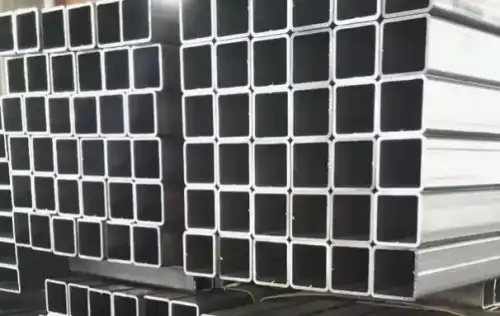
Why Titanium Square Tubing Dominates Chemical and Oil Applications
Some of the hardest places for building materials to work are in chemical processes and oil extraction. Steel and metal used in everyday life often rust, which requires expensive repairs and raises safety issues. Titanium square tubing significantly enhances these uses because it possesses special qualities that address problems specific to the business. Titanium's chemical structure forms a natural oxide layer that fixes itself when it gets broken, protecting it from acidic substances all the time. This trait is very useful in chemical plants where workers are constantly exposed to acids, bases, and volatile substances. Titanium is good for oil plants because it can handle hydrogen sulfide and other gases that break down other materials. In many situations, square tubes are better than round tubes because they are more square. The curve spreads stress more evenly across the structure, and the flat sides make it easier to place frames and supports. In high-pressure situations, like those found in petroleum plants, this design factor becomes very important.
Essential Selection Criteria for Industrial Titanium Tubing
To pick the best titanium square tubing, you need to carefully consider a number of factors that affect efficiency and cost-effectiveness. Working with business clients has taught me important factors that decide the success of a project.
Material Grade and Composition
The grade you choose has a direct effect on how well the job works and how much it costs. Titanium grade 2 is very resistant to rust at low temperatures, which means it can be used in most chemical production tasks. Grade 5 titanium is more expensive than other grades because it is stronger and better for high-stress situations. Figuring out the right grade is easier when you know the exact chemical exposure and technical needs.
Manufacturing Quality and Certifications
For industrial uses, strict quality norms and paperwork are needed. ISO 9001:2015 approval ensures that production methods are uniform, and PED compliance ensures that pressure vessels work together effectively. A third-party review from a reputable organization like DNV, SGS, or TUV adds to the proof that the material qualities and measurements are correct.
Supply Chain Reliability
In the oil and chemical businesses, project deadlines are often very tight, and people who are late will have to pay big fines. Suppliers with a history of reliability, enough supplies, and the ability to ship goods around the world lower the risks of a project. Getting different sizes and types of titanium square tubes from a single source makes the buying process easier.
Top Titanium Square Tubing Solutions for Industrial Applications
Grade 2 Commercially Pure Titanium Square Tubing
Grade 2 titanium represents the workhorse material for chemical processing applications, offering outstanding corrosion resistance in moderate-temperature environments. This commercially pure titanium contains minimal alloying elements, maximizing its biocompatibility and chemical inertness.
Key advantages include:
- Exceptional resistance to chloride-induced stress corrosion cracking
- Superior performance in marine environments and saltwater applications
- Excellent formability for complex fabrication requirements
- Lower material costs compared to alloyed grades
- Wide availability in standard titanium square tubing dimensions
Chemical companies use Grade 2 titanium square tubing for heat exchanger frames, supports for process pipes, and structural parts that are exposed to toxic environments. The low oxygen level of the material makes it very flexible for welding and shaping. This material doesn't rust in seawater, so offshore bases don't need protective coats that need to be maintained regularly. Most of the time, cold drawing or welding with argon protection is used to make Grade 2 tubes. For precise uses, cold-drawn seamless tubes have a better surface finish and are more accurate in terms of size. For bigger sizes, welded tubes are cheaper and have better rust protection as long as the right welding methods are used. As part of quality control, eddy current testing is used to find flaws, and hydraulic pressure testing is used to make sure the structure is solid. These testing methods make sure that important applications work reliably in situations where failing would have bad results.
Grade 5 Ti-6Al-4V Titanium Square Tubing
This grade of titanium metal is very strong for its weight, making it ideal for high-stress jobs in the oil and chemical industries. Adding 6% aluminum and 4% vanadium makes a material that is almost twice as strong as pure titanium sold in stores and is also very resistant to rusting.
Performance characteristics include:
- Tensile strength exceeding 130 ksi in the annealed condition
- Outstanding fatigue resistance for dynamic loading applications
- Excellent high-temperature properties up to 400°C
- Superior creep resistance for long-term structural applications
- Enhanced machinability compared to commercially pure grades
When strength and resistance to rust are very important, oil drilling equipment makers use Grade 5 titanium square tubes for downhole tools and drill string parts. Supports for high-pressure pipes, compressor housings, and heat exchanger parts that work in harsh conditions are all used in refineries. The alpha-beta lattice of Grade 5 titanium reacts well to heat treatment, which lets the mechanical properties be fine-tuned for specific uses. When the strongest strength is needed, solution treatment and aging can make the final tensile strength more than 160 ksi. For uses that involve a lot of manufacturing, annealing temperatures make the metal more flexible. Electropolishing and anodizing are two ways to clean the surface. Electropolishing improves rust protection, and anodizing improves wear traits. These treatments work especially well in places where chemicals are processed, and surface contamination needs to be kept to a minimum.
Custom Engineered Titanium Square Tubing Solutions
Titanium square tube shapes that go beyond what is normally available are often needed for complex industrial uses. Custom engineering takes into account specific needs for dimensions, metal formulas, or better surface processes.
Custom solutions encompass:
- Non-standard wall thickness and cross-sectional dimensions
- Specialized alloy compositions for specific chemical environments
- Advanced surface treatments, including thermal barrier coatings
- Integrated fittings and connection systems
- Multi-grade assemblies combining different titanium properties
Often, petrochemical companies need titanium square tubing that is the right size to fit between current pieces of equipment. Custom size gets rid of the need for a lot of cutting, which can cause stress buildup and weaken rust protection. Specialized surface processes, such as nitriding, can make things more resistant to wear in rough working circumstances. To make sure the quality of unique goods, stricter testing methods are used, such as X-ray inspection, ultrasound examination, and material approval based on customer requirements. By making and trying prototypes, performance traits can be confirmed before the product is mass-produced.
Global Market Dynamics and Regulatory Landscape
Different legal requirements and regional tastes affect the global market for industrial titanium goods. These factors affect the choice of materials and the qualification of suppliers. Understanding these changes helps improve tactics for buying things and ensures that all foreign activities follow the rules. For oil uses, North American markets put a lot of weight on ASTM norms and API specs. In the US and Canada, the licensing processes are very strict and require a lot of paperwork and third-party confirmation. ASME codes set the rules for how pressure vessels can be used, requiring certain qualities of materials and tests. European markets are governed by PED guidelines, which set norms that all member countries must follow. Environmental security is a big deal, so people want things that have the least amount of effect on the earth over their whole life. Titanium can be recycled and lasts a long time, which is in line with European goals for sustainability. For projects in the Gulf area, success in difficult desert and sea settings is given top priority. High temperatures, being exposed to sand, and salty rust all work together to make tough working conditions that are good for titanium uses. Local content standards are becoming a bigger factor in choosing a provider. Material needs and quality standards are becoming more complex in Asian markets. Major oil companies in the area have set up strict seller training programs that are on par with international standards. Focusing on long-term relationships opens up chances for sellers who can show steady quality and dependability.
Strategic Procurement Recommendations
To buy titanium square tubing successfully, you need to plan and balance performance needs, cost concerns, and supply chain risks. From working on big industrial projects, I know a few important things that make them successful. Getting suppliers involved early on in the planning part of a project helps make sure that specs and production methods are optimized. Titanium suppliers who can do a lot of different things can suggest grade choices and size changes that save money without sacrificing performance. When people work together, they often find other answers that go beyond the original requirements and cut down on project timelines. Quality assurance programs should do more than just inspect new products when they come in. They should also audit suppliers and check processes. Setting up partnerships with suppliers who have more than one foreign approval cuts down on the work needed to qualify suppliers for global projects. Regular quality checks and performance measures make sure that standards are always being met. Carrying costs and supply security must be balanced in inventory management methods. Titanium square tube lead times can be several months for custom items, so project plans need to be carefully coordinated. When suppliers offer contract inventory or vendor-managed inventory programs, they can lower the amount of operating capital that is needed while still making sure that materials are available. Diversifying supply sources across different parts of the world while keeping quality standards high is one way to lower risk. Unstable governments, trade limits, and transportation problems can all make it harder to get materials. Suppliers that can make things all over the world offer more supply security than operations that only work in one place.
Industry Trends and Market Outlook
As more businesses realize the long-term worth of better products, the global titanium square tube market keeps growing. New industrial technologies lower the cost of making things while also making the quality more consistent. Using additive manufacturing, you can make shapes that were too complicated to be possible with standard methods. Rules about the environment are favoring materials that last longer and can be recycled more and more. Because of these trends, titanium is becoming more popular as a material for high-performance and reliable commercial uses in the future.
Conclusion
When choosing the best titanium square tubing for the oil and chemical businesses, it's important to think about the grade, quality standards, and sourcing skills. Titanium grades 2 and 5 have been shown to work well in tough industrial settings where other materials fail. Investing in high-quality products pays off in the form of longer service life, lower upkeep costs, and more reliable operation. To be successful, you need to work with providers who have a lot of knowledge and who understand both material science and the needs of industry applications. As time goes on, the global market keeps moving toward materials that meet safety and environmental goals while also providing excellent performance.
FAQ
Q: What wall thickness options are available for titanium square tubing in chemical applications?
A: Titanium square tubing wall thickness typically ranges from 0.5mm to 25mm, depending on application requirements. Chemical processing applications commonly use 1.5mm to 6mm wall thickness for optimal corrosion resistance and structural integrity. Thicker walls provide better pressure resistance, while thinner sections minimize material costs in low-stress applications.
Q: How does titanium square tubing pricing compare to stainless steel alternatives?
A: Initial titanium material costs are approximately 3-5 times higher than equivalent stainless steel grades. However, lifecycle cost analysis often favors titanium due to the elimination of replacement cycles, reduced maintenance requirements, and improved operational reliability. The corrosion immunity of titanium eliminates costly shutdown periods for component replacement in critical applications.
Q: What welding considerations apply to titanium square tubing fabrication?
A: Titanium welding requires inert gas shielding with argon or helium to prevent contamination. TIG welding produces optimal results with proper joint preparation and heat input control. Back-purging is essential to prevent oxidation of the weld root. Qualified welding procedures and certified welders ensure structural integrity in pressure service applications.
Partner with LINHUI TITANIUM for Premium Industrial Solutions
LINHUI TITANIUM stands as your trusted titanium square tubing manufacturer with over two decades of proven expertise in serving the global chemical and petroleum industries. Our comprehensive certifications, including ISO 9001:2015, PED compliance, and approval from major classification societies, ensure materials meet the strictest international standards. With 30 production lines across two manufacturing facilities and 800-ton annual capacity, we deliver consistent quality and reliable supply for your critical projects. Contact us at linhui@lhtitanium.com to discuss your titanium square tubing requirements and experience the difference that quality makes.
References
1. American Society for Testing and Materials. "Standard Specification for Titanium and Titanium Alloy Strip, Sheet, and Plate." ASTM B265-20, 2020.
2. Boyer, R., Welsch, G., and Collings, E.W. "Materials Properties Handbook: Titanium Alloys." ASM International, Materials Park, OH, 1994.
3. Lutjering, G. and Williams, J.C. "Titanium: Engineering Materials and Processes." 2nd Edition, Springer-Verlag, Berlin, 2007.
4. Peters, M., Kumpfert, J., Ward, C.H., and Leyens, C. "Titanium Alloys for Aerospace Applications." Advanced Engineering Materials, Vol. 5, No. 6, 2003.
5. Schutz, R.W. and Thomas, D.E. "Corrosion of Titanium and Titanium Alloys." ASM Handbook Volume 13B: Corrosion in Materials, ASM International, 2005.
6. Titanium Information Group. "Guidelines for the Design of Process Equipment Using Titanium." Technical Report TIG-014, London, UK, 2018.