
When sourcing titanium materials for demanding industrial applications, understanding the distinction between ASTM F1472 and ASTM B348 becomes essential. ASTM F1472 specifically addresses wrought titanium-6aluminum-4vanadium alloy used for surgical implant applications, emphasizing biocompatibility and stringent mechanical property requirements. Meanwhile, ASTM B348 establishes comprehensive specifications for titanium and titanium alloy bars and billets across general industrial, aerospace, and marine applications. While both standards govern high-performance titanium products, their scope, testing protocols, and end-use requirements differ significantly—making proper selection critical for procurement managers and engineers working across oil and gas, chemical processing, shipbuilding, and aerospace sectors where material integrity directly impacts operational safety and project success.
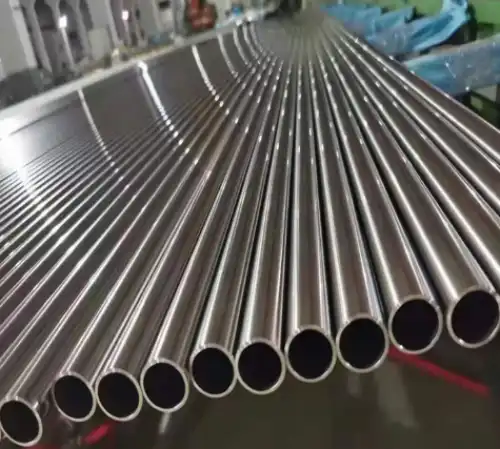
Understanding ASTM F1472 and ASTM B348 Standards
What ASTM F1472 Covers and Its Application Scope
Wrought titanium-6Al-4V alloy made specifically for medical implant uses is governed by the specialised standard known as ASTM F1472. The medical device business needed materials that were both highly biocompatible and reliable mechanically, which led to this standard. The guideline sets clear limits on the chemical make-up, mechanical properties, and surface finish of materials so that they are safe to use when inserted in people. ASTM F1472 is useful for more than just medical uses. It's also used in other high-performance areas that need to make sure the materials are pure and that they behave consistently under repeated loading.
The standard calls for strict testing methods, such as measuring tensile strength, elongation, and microstructural analysis. The amount of interstitial elements, especially oxygen, nitrogen, and carbon, which have a big effect on ductility and wear resistance, is examined more closely in materials made in accordance with ASTM F1472. When procurement teams choose materials that meet this standard, they know that the goods are of high quality and can be used in serious situations where failure would have serious consequences.
ASTM B348 Standard Overview and Industrial Relevance
ASTM B348 sets the standards for bars and billets made of titanium and titanium alloys that are meant to be used in a wide range of industries. This well-known standard covers commercially pure titanium grades as well as different alloy combinations, such as the well-known Grade 5 (Ti-6Al-4V) material. The standard sets limits on chemical makeup, mechanical property requirements, and tolerances for sizes and shapes for different grades and product types.
Material that is approved to ASTM B348 is used in many different areas, such as oil and gas infrastructure, marine gear, aircraft structural parts, and chemical processing equipment. The standard covers a wide range of grades, which lets buying workers match the properties of a material with its needs. Grades range from commercially pure titanium, which is the most resistant to rust, to high-strength alloys, which are better at mechanical performance. When a product is certified by ASTM B348, it means that it has been through verification testing to make sure it meets set industry standards. This lowers the risk of buying it and ensures the trustworthiness of the supply chain in the long run.
Historical Development and Recent Standard Updates
Both standards have changed over the years based on feedback from the business and new technology. ASTM F1472 was created by orthopaedic doctors, medical device makers, and materials scientists working together to standardise the requirements for implant materials. Updates have made the limits on chemical makeup stricter and added more testing standards to reflect a better understanding of how materials behave in physiological settings.
ASTM B348 has been updated several times to include new titanium alloy compositions and take into account new production methods. Recent changes have made it clearer how tests are done, added more grades, and made sure that requirements are in line with international standards to make foreign trade easier. These changes come from ongoing conversations between manufacturers, end users, and testing labs. This keeps standards up to date with modern manufacturing methods and application needs. Knowing about these changes over time helps buying teams see how current guidelines fix problems with the performance of materials from the past and guess where standards will go in the future.
Key Differences Between ASTM F1472 and ASTM B348
Material Composition and Grade Specifications
Despite the fact that both standards treat Ti-6Al-4V metal, ASTM F1472 places stricter compositional controls than ASTM B348 Grade 5. The standard for medical implants limits interstitial elements to lower levels because it knows that even small changes in makeup can affect how well the material works with living things and how stable it is over time. The ASTM F1472 standards carefully balance the trade-off between increased strength and decreased flexibility when it comes to oxygen content.
ASTM B348 includes more than just the 6Al-4V makeup of titanium. It includes commercially pure grades (1-4) and different metal compositions. Because it covers more materials, B348 is the best standard for projects that need material freedom or when different grades of titanium might be better in terms of performance or cost. The variety of grades in the standard helps purchase strategies that choose the best material based on factors like cost, strength, corrosion protection, and ease of fabrication.
Testing Methodologies and Quality Assurance Protocols
ASTM F1472 requires more testing than what is needed by ASTM B348, which shows how important surgical implant uses are. Some of these are microstructural examinations to make sure the grain structure is correct, and there are no harmful stages that could affect the material's performance. Tensile testing according to ASTM F1472 usually needs more than one specimen per heat lot. This is done to make sure that the mechanical qualities stated are accurate.
ASTM B348 says how to test mechanical properties in industrial settings, and how often samples should be taken depends on the size and shape of the lot. The testing is strict, but it is usually not as hard as what is required by ASTM F1472. Purchasing experts can better judge a supplier's skills and certifications if they know about these differences in tests. Materials that are approved to ASTM F1472 automatically meet higher quality standards. However, this higher level of guarantee comes at a higher cost that must be weighed against the needs of the application.
Certification Requirements and Traceability Standards
The material made in accordance with ASTM F1472 needs a lot of paperwork that shows where the raw materials came from and how the finished product was certified. Usually, this paperwork contains a melt analysis, a background of processing, records of heat treatment, and test results for each piece of the product. This level of specific traceability helps medical device manufacturers meet regulatory standards and gives quality investigators the proof they need if there are material performance issues.
According to ASTM B348 certification, materials must have test reports that show their chemical makeup and mechanical traits. However, based on the specifics of the deal, traceability standards may not be as strict. When buying things for important projects that need better quality control, like oil and gas infrastructure or rocket parts, procurement teams often list extra paperwork they need in addition to the basic B348 certification. When procurement professionals understand these differences in paperwork, they can come up with the right source qualification criteria and contract terms to make sure that the provided material meets the specific traceability needs of the project.
How to Choose the Right Standard for Your Procurement Needs
Matching Standards to Application Requirements
Clearly defining the application standards and working conditions is the first step in choosing between ASTM F1472 and ASTM B348. ASTM F1472 is the right standard for projects that need biomedical uses or materials that are biocompatible. The strict composition rules and improved testing procedures in the standard make sure that the material meets the needs of the medical device business.
Specifications for ASTM B348 are often used in industries like chemical processing, naval equipment, aerospace buildings, and oil and gas infrastructure. The standard's range of grades makes it possible for buying teams to perfectly match the qualities of materials to the needs of an application. In places where rusting is a problem, widely pure grades may be best because they are the least likely to rust. On the other hand, alloy grades are better for high-stress situations because they are stronger. If compositional freedom is more important than the improved controls of ASTM F1472, this should be made clear during material selection talks with engineering teams.
Cost-Benefit Analysis for Different Procurement Scenarios
Material approved to ASTM F1472 usually costs more because it has to pass more tests and has stricter compositional rules. When considering specs, procurement budgets need to take these differences in cost into account. The cost difference between ASTM F1472 and ASTM B348 is usually not worth it for projects that don't need to be biocompatible, so ASTM B348 is the better option in most cases.
Despite higher material prices, ASTM F1472's improved quality control may be advantageous for some very important uses. Critical parts that could fail in a disaster scenario, like underwater wellhead equipment or pressure tank parts that are used in sour service, may be worth the extra money. A cost-benefit study should look at both the direct costs of buying materials and the total amount of danger that the project faces. Working with titanium providers with a lot of experience helps procurement teams figure out how much real price differences are and decide if specification changes really lower risk compared to cost rises.
Integration with Existing Quality Management Systems
For standard implementation to go smoothly, material specifications and quality control systems within the company must be in sync. Companies that already have ISO 9001 systems or industry-specific quality programs (like API Q1 for oil and gas companies) should look at how the standards of ASTM F1472 or B348 fit in with their current paperwork and traceability procedures.
The detailed paperwork standards of ASTM F1472 are in line with the needs of regulated businesses that are used to keeping a lot of records and following strict traceability rules. Organisations that don't have strong quality systems may find it hard to meet the requirements of the standard without spending money on equipment. The ASTM B348 standard gives procurement teams more freedom, so they can add extra requirements when better paperwork or testing is needed, without making simple uses more difficult than they need to be. Talking about the powers of the quality system with possible providers while sourcing helps find partners whose level of operational maturity fits the quality standards of the project.
Practical Insights: Implementing ASTM F1472 and ASTM B348 in Your Supply Chain
Supplier Qualification and Audit Considerations
Building a trustworthy titanium supply chain starts with carefully screening potential suppliers. Manufacturers who say they can meet ASTM F1472 or B348 should show that they have the right certifications, testing tools, and a mature quality system. Audits of suppliers should make sure that standard requirements are met in terms of production methods, testing procedures, and paperwork practices. Third-party certifications from well-known groups like ISO 9001, PED, or industry-specific accreditations show that a seller is qualified without interference from the provider.
Procurement teams should look at past test data, material certificates, and traceability systems when they are assessing possible partners. Suppliers who already have a lot of customers in the energy, medical device, or aircraft industries usually keep quality standards high enough for important jobs. Checking references with current customers can help you figure out how reliable a supplier is, how quickly they can fix quality problems, and how well they can keep their delivery promises. Getting to know qualified sellers lowers the risk of buying things and creates ties that help projects succeed in the long run.
Documentation and Certificate Verification Processes
Material papers that come with titanium goods should be carefully looked over to make sure they meet certain standards. The relevant ASTM standard, grade name, heat or lot number, chemical composition, and mechanical properties should all be clearly written on certificates. Non-conforming material is kept out of production processes by making sure that stated values are within the limits set by the specifications.
Advanced verification methods involve checking that the data on the certificate matches the requirements listed in the specification, making sure that testing was done by approved labs, and making sure that the sample frequency meets the standards. Some organisations that buy things hire outside inspection services to perform tests or do their own independent testing on the materials they receive. These extra steps of proof give you more faith that the materials are what they say they are. This is especially helpful when buying from new sources or for important uses where the materials' performance directly affects safety or operational integrity.
Contractual Language and Specification Requirements
Purchase orders and supply contracts should clearly list the relevant ASTM standards, grade names, and any other requirements that go beyond the basic requirements for specifications. Clear wording in contracts keeps people from misunderstanding important requirements and sets the standard for whether to accept or reject an offer. Contracts should spell out what kind of paperwork is needed, such as the amount of certification information that is expected and any special rules for testing or review.
Extra standards could include more mechanical testing, non-destructive testing, positive material identification, or better checking of dimensions. Such standards raise the cost of materials, but they are a good way to protect important applications from danger. The terms of the contract should also include processes for non-conformance, duties to track materials, and quality reporting requirements. Well-written contracts make it clear what is expected of both parties, which helps maintain good relationships with suppliers and lowers the number of disagreements over material acceptance.
Future Trends and Updates in ASTM F1472 and ASTM B348 Standards
Anticipated Standard Revisions and Industry Impact
ASTM groups are always reviewing standards based on feedback from the industry, new technologies, and new application needs. The ASTM F1472 standard may be updated in the future to handle newly discovered biocompatibility issues or to adopt cutting-edge testing methods that improve material characterisation. In the same way, updates to ASTM B348 could add more titanium alloy grades to reflect current work on alloy research or make standard requirements clearer based on experience with application.
Keeping up with changes to standards helps procurement teams plan for changes that might affect the supply of materials, the need for testing, or the certification process. By joining industry groups, going to professional conferences, and keeping in touch with material sources, you can get early information on how standards are changing. By staying involved with new standards, businesses can change how they buy things and who they work with before the changes have to be made by law. This keeps project plans and material supply chains from getting messed up.
Technological Advances Influencing Testing and Certification
Testing technology keeps getting better, which makes it easier to characterise materials and speed up the approval process. Digital x-rays, improved ultrasonic inspection, and automatic mechanical testing systems all make testing more accurate while cutting down on run times. These technological advances are good for both standards because they allow for more thorough material review without making testing more expensive.
Blockchain and digital certification are new technologies that can be used to make it easier to track materials and keep records safe. These new ideas could completely change how material certificates are given out, checked, and kept up to date along supply lines. Companies that buy things and keep an eye on these tech trends can take advantage of better testing, more reliable certifications, and easier paperwork as the technologies get better and more popular in the industry.
Preparing Your Organization for Evolving Standards
Investing in teaching employees, having flexible purchasing methods, and strong relationships with suppliers are all things that are needed to make an organization flexible around standard evolution. It is recommended that technical teams keep learning about standard needs, testing methods, and material qualities. This base of information makes it possible to make smart choices about specifications and communicate clearly with suppliers about material needs.
Building ties with several qualified providers makes you less reliant on a single source and gives you more options when material requirements change or there are problems with availability. Suppliers who have put money into improving quality systems and new technologies are better able to adapt to changing standards without having to stop supplies. Material supply lines stay stable even when standards and market conditions change, thanks to strategic relationships between suppliers that look out for each other's long-term interests.
Conclusion
Procurement workers can choose materials that are in line with application needs and organisational quality goals by knowing the differences between ASTM F1472 and ASTM B348, according to ASTM. ASTM F1472 is for specific uses that need to be sure of biocompatibility and better compositional rules, while ASTM B348 has detailed requirements for a wide range of industrial uses involving different types of titanium. For execution to go well, standards must be matched to application needs, qualified suppliers must be found, strong verification methods must be set up, and people must stay aware of how standard requirements are changing. By building these skills, businesses will be able to get titanium materials that meet technical requirements, help projects succeed, and provide long-term value for hard uses in the energy, aircraft, marine, and industry sectors.
FAQ
1. Can ASTM F1472 material be used for non-medical applications?
Any application where the 6Al-4V alloy composition is acceptable can use material approved to ASTM F1472 because it satisfies the standards. The stricter chemical limits and better quality controls in this standard give more confidence than ASTM B348 Grade 5, but they cost more. B348 is the more cost-effective option for most industry uses because non-medical applications rarely require the biocompatibility verification that comes with ASTM F1472 approval. Despite the cost increase, ASTM F1472 may be necessary for important uses where better material controls lower risk.
2. How do I verify that the received material actually meets the specified standard?
The main conformance check is the certificate verification, which makes sure that the chemical makeup and mechanical qualities that have been recorded are within the limits set by the specifications. As part of advanced verification, third-party inspection services can be hired to watch tests or do their own tests on samples of material that have been sent. Handheld analysers can positively identify materials and confirm the composition of alloys. However, this method can't confirm mechanical qualities or specific chemical limits. It's less likely that you'll get non-conforming material if you work with reputable sources who have strong quality systems and industry certifications.
3. Which standard should I specify for oil and gas applications?
For most oil and gas uses, ASTM B348 specs are used to choose the titanium grade that works best in the given situations and meets the performance standards. Grade 2 commercially pure titanium is very resistant to rusting in salty and sour environments. Grade 5 (6Al-4V) titanium is stronger and better for building structures. ASTM F1472 isn't often used in oil and gas standards unless special situations call for the standard's stricter controls. Talk to materials engineers who know about the conditions of the service to find the best grade and standard mix for your needs.
Partner with LINHUI TITANIUM for Certified ASTM F1472 and B348 Materials
Titanium material specifications are hard to understand, but LINHUI TITANIUM has been providing certified titanium goods to demanding businesses around the world for over twenty years. We keep extensive stocks of materials that meet both ASTM F1472 and ASTM B348 specifications in a variety of product forms, such as sheet, plate, bar, and billet, as a major producer and supplier with our main office in Xi'an. Our long list of certifications, which includes PED 2014/68/EU, CCS, ABS, DNV, BV, and ISO 9001:2015, shows that we are dedicated to quality standards that big energy companies like CEFC, PTT, PDVSA, and PEMEX trust.
You need a titanium products store that can meet a wide range of grade standards with consistent quality and on-time delivery when looking for ASTM F1472 source agreements or ASTM B348 certified materials. Our unified supply chain has sent hundreds of thousands of tonnes to more than 60 countries, helping with important projects in the oil and gas, chemical processing, aircraft, and marine industries. Whether you need to buy surgical-grade material controls or industrial-specification titanium metals, our technical team can help you match specifications to application needs while minimising costs and speeding up delivery times. Contact us at linhui@lhtitanium.com to talk about your project needs and find out how LINHUI TITANIUM's track record can help improve your supply chain by providing certified, traceable titanium products with full paperwork and quick expert support.
References
1. American Society for Testing and Materials. "ASTM F1472-20: Standard Specification for Wrought Titanium-6Aluminum-4Vanadium Alloy for Surgical Implant Applications." ASTM International, 2020.
2. American Society for Testing and Materials. "ASTM B348-19: Standard Specification for Titanium and Titanium Alloy Bars and Billets." ASTM International, 2019.
3. Boyer, R., Welsch, G., and Collings, E.W. "Materials Properties Handbook: Titanium Alloys." ASM International, Materials Park, Ohio, 1994.
4. Donachie, Matthew J. "Titanium: A Technical Guide, 2nd Edition." ASM International, 2000.
5. Peters, M., Kumpfert, J., Ward, C.H., and Leyens, C. "Titanium Alloys for Aerospace Applications." Advanced Engineering Materials, Volume 5, Issue 6, 2003.
6. Schutz, R.W. and Watkins, H.B. "Recent Developments in Titanium Alloy Applications in the Energy Industry." Materials Science and Engineering A, Volume 243, Issues 1-2, 1998.